Europe shuts US out of Russian assets conversation
 on Google
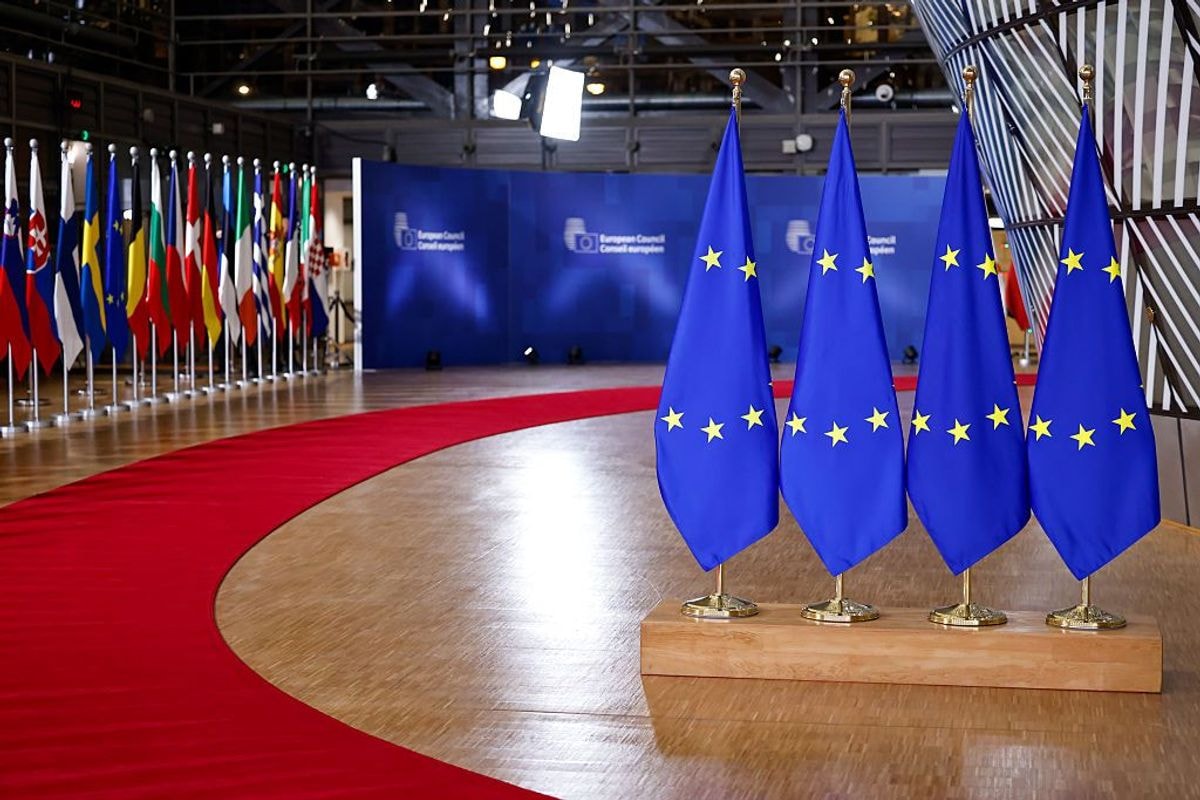
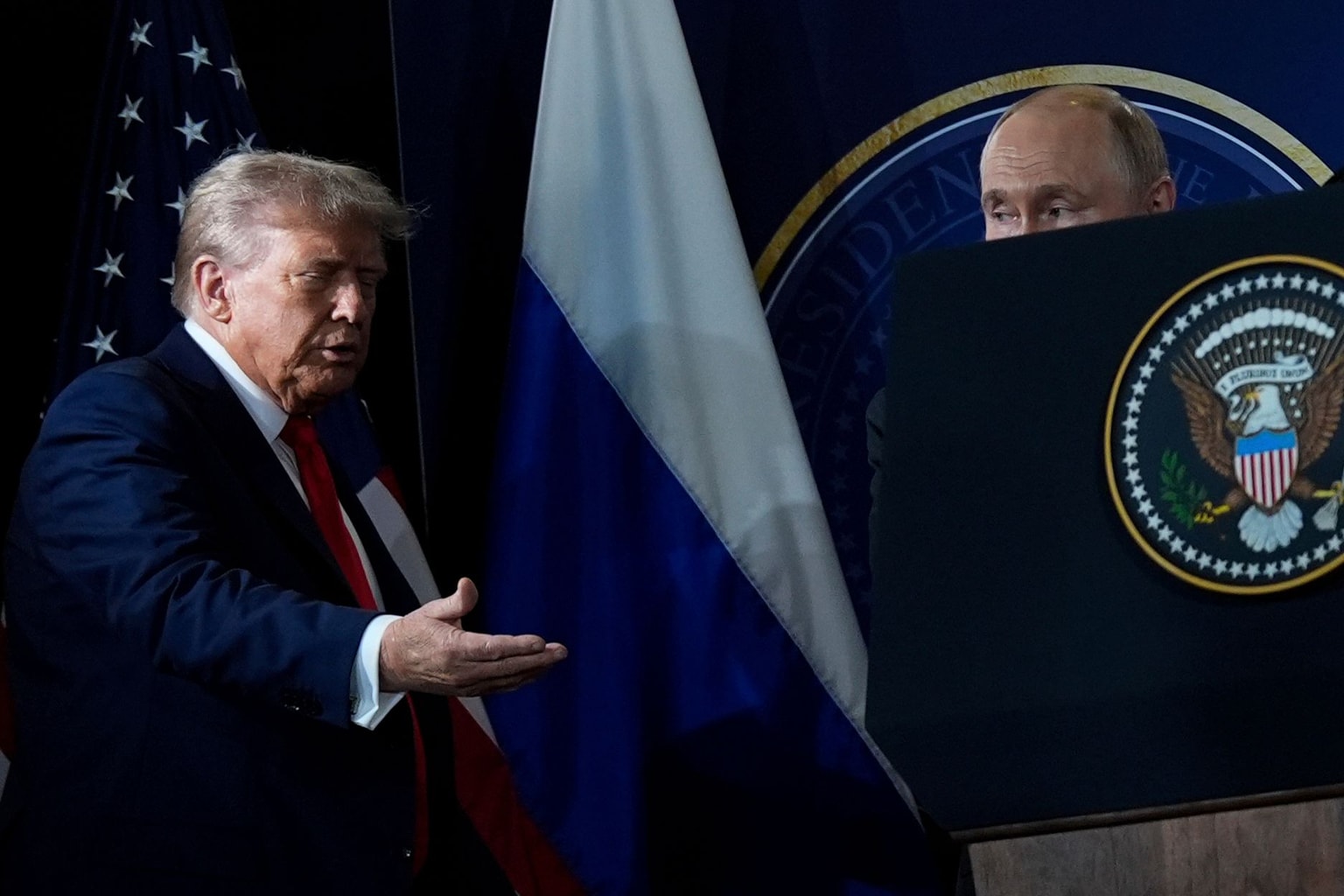
BRUSSELS, Belgium — Multiple EU leaders on Oct. 15 firmly rebuffed the idea that the 200 billion euros ($227 billion) of immobilized Russian assets held in the bloc would be handed to the U.S. as a bargaining chip in peace talks.
The idea was floated by U.S. officials when they met with European counterparts on Oct. 9, and was first reported on the next day by the New York Times.
The proposal surfaced in the media again as EU leaders meet for a two-day summit in Brussels, where several countries are set to raise the issue of using Russian assets to support Ukraine.
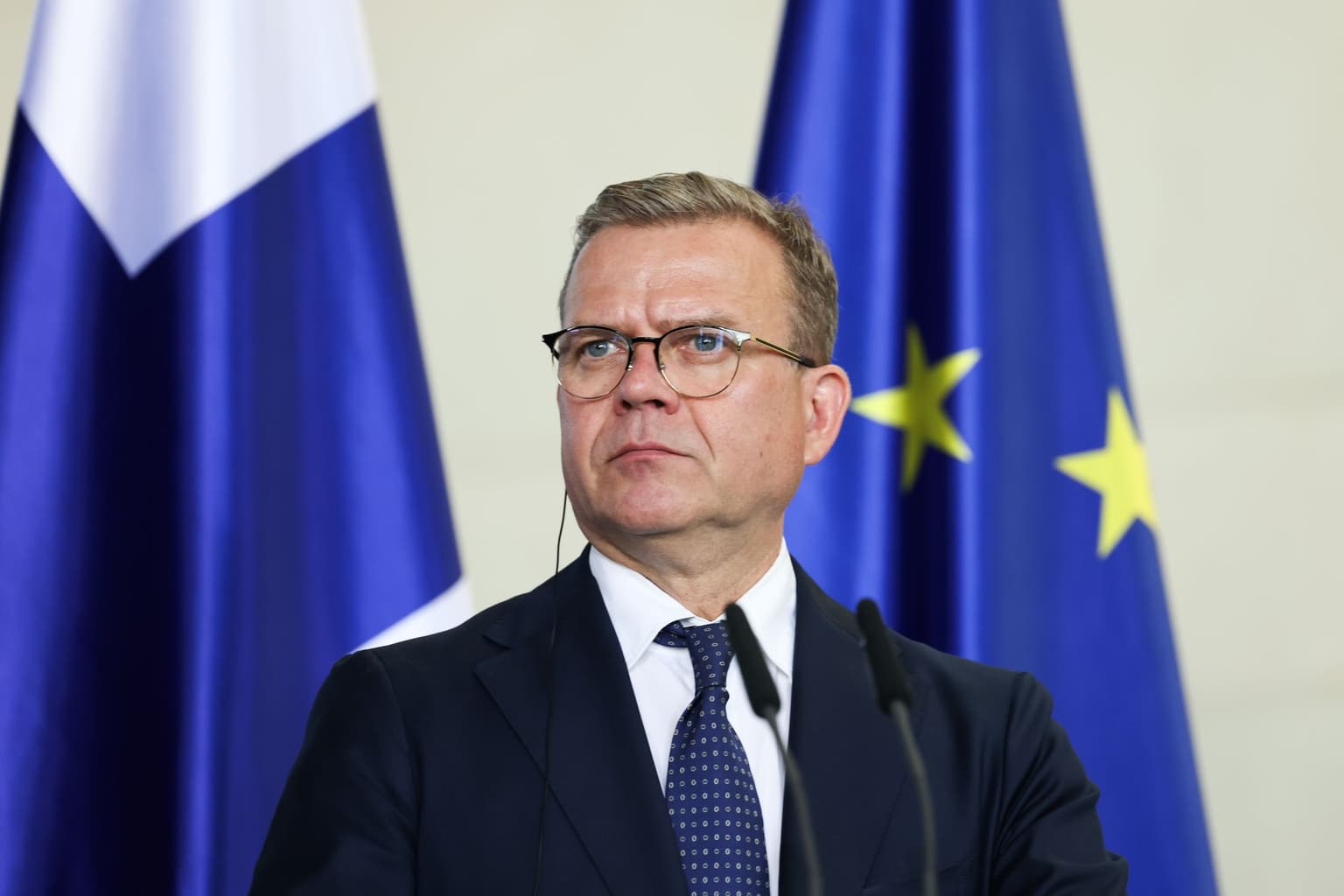
"It cannot be viewed positively in any way. Absolutely not," said Finnish Prime Minister Petteri Orpo, in response to questions from journalists.
"These are frozen Russian assets held in Europe, belonging to Russians who are destroying Ukraine and killing people there every day... the idea of releasing these assets is completely out of the question," Orpo said.
"On the contrary, a proposal will be put forward today to continue exploring ways to ensure that these frozen assets are used to support Ukraine," he added.
Likewise, Austrian Prime Minister Christian Stocker said he is "not convinced of the idea of imprisoning these assets under U.S. control in view of the volatility in U.S. policy and how quickly things are changing there."
"The assets are frozen in Europe, and they shall remain frozen in Europe. That is a matter for us, and we will decide it," German Chancellor Friedrich Merz told reporters.
"All these things that they (Russia) are interested in, the frozen assets, the lifting of sanctions, it is up to Europeans to decide," said the EU's top diplomat Kaja Kallas.
The EU's draft conclusions for the summit were also updated on Oct. 14 to say that leaders "will revert to the issue (of financing Ukraine) in a timely manner," supporting Orpo's comment that the bloc will continue working on possible ways to use Russia's immobilized assets to support Ukraine.
Even if some EU leaders might have supported placing Russian assets under U.S. jurisdiction — and none have said so — the idea was a non-starter, given that the bloc would need unanimous agreement.
The chances of that happening have never been slimmer, after recent U.S. moves against Ukraine have provoked widespread condemnation from European leaders.