Over 30 countries demand Russia stop using chemical agents as weapons of war in Ukraine
 on Google

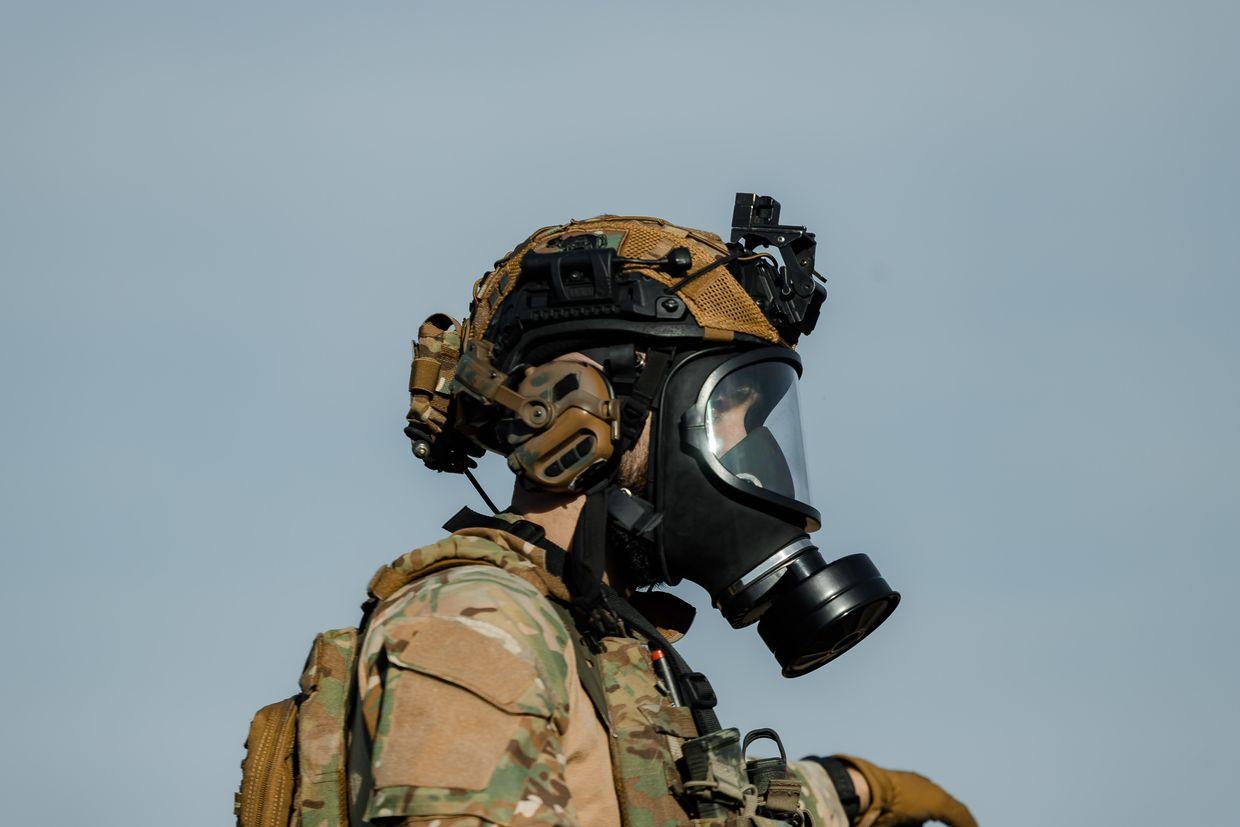
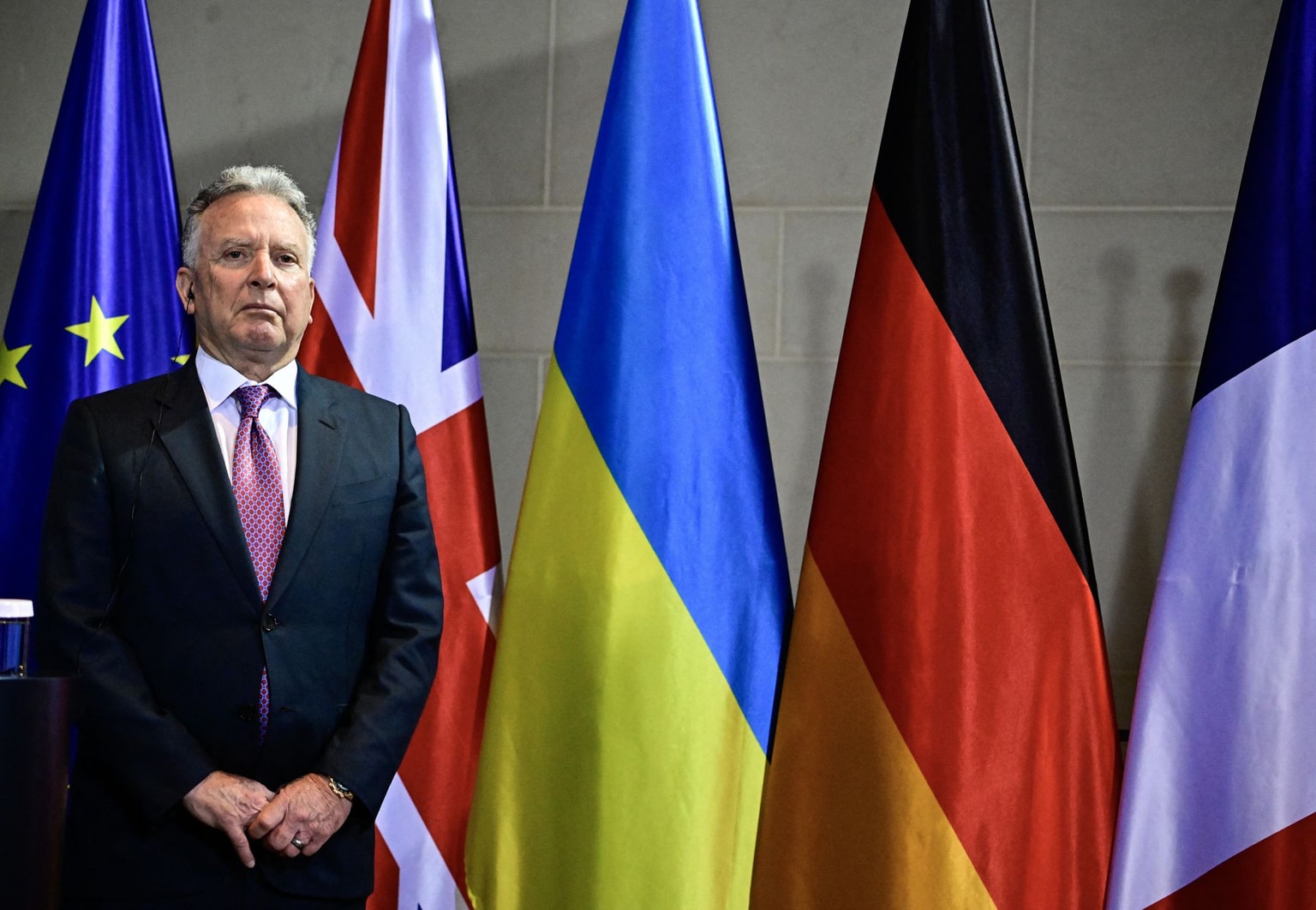
A coalition of 34 countries and the European Union issued a joint statement on Nov. 25 calling for Russia to end the use of toxic chemicals and riot-control agents on the battlefield in Ukraine.
The demand follows a report from Kyiv published Nov. 17 that documented 14,000 cases of Russian forces deploying such weapons against Ukrainian soldiers on the front lines. The report was disseminated to the 193 member states of the Organization for the Prohibition of Chemical Weapons (OPCW), who are gathered in The Hague for a conference Nov. 23-27.
The joint statement was penned by the non-proliferation directors of 34 OPCW member countries, including the U.K., Canada, Japan, Sweden, Ukraine, and the E.U.
"We call for the immediate cessation of the use of any toxic chemicals and of riot control agents as a method of warfare in Ukraine," the statement reads.
"Next steps need to include the identification of perpetrators through the mechanisms of the OPCW and in line with the Chemical Weapons Convention. We reaffirm our strong support for the OPCW's efforts in this regard."
The OPCW confirmed the methodology used to produce Ukraine's report was in line with its technical standards. The international watchdog has previously confirmed the presence of the riot control agent CS on the battlefield in Ukraine.
The use of these chemical agents is a direct violation of international law under the Chemical Weapons Convention, a treaty administered by the OPCW and ratified by the Russian Federation.
But Russia has reportedly used these toxins extensively since the start of the full-scale war against Ukraine. Borrowing a tactic from World War I, Russian forces have allegedly thrown gas grenades loaded with banned chemical agents into Ukrainian shelters, forcing them from their positions in order to attack with conventional weapons.
According to Ukrainian authorities, Russian troops have repeatedly launched K-51, RGR, and RG-VO aerosol grenades loaded with the prohibited agents CS (chlorobenzylidene malonitrile) and CN (chloroacetophenone).
Both the U.S. and the U.K. have imposed sanctions against Russian officials and entities explicitly linked to the use of chemical weapons attacks against Ukraine.
Moscow has denied reports that its troops use banned chemical agents on the battlefield, despite extensive evidence.