Ukraine, EU split over US-backed plan to bring Russian gas back to Europe
 on Google


The European Union is unlikely to accept a U.S. proposal to resume Russian gas deliveries to Europe through Ukraine, EU officials told the Kyiv Independent, despite Washington's belief that the scheme could help secure a ceasefire and provide economic benefits to Kyiv.
The proposal would allow Russia to resume gas exports to Europe through a U.S. intermediary, potentially generating transit revenue for Ukraine while offering European consumers access to Russian gas.
But the plan faces a major obstacle: the EU has already legally committed to phasing out all Russian gas imports by 2027.
While Ukrainian officials have so far been reluctant to comment publicly on the initiative, some privately remain cautious about rejecting it outright.
The idea, first reported by the Wall Street Journal and confirmed to the Kyiv Independent by people familiar with the matter, envisions selling Russian gas through a U.S. intermediary to circumvent EU sanctions.
Under the proposed arrangement, Russian gas would flow to Europe through the Druzhba pipeline, an export network stretching around 4,500 kilometers (2,800 miles) from Siberian gas fields, including Urengoy, through Russia and Ukraine to Central and Western Europe.
For Ukraine, the arrangement could generate much-needed transit fees. Russia is unlikely to agree to pay reparations to Ukraine directly, but Kyiv could present the revenue as a form of compensation from Moscow, several people familiar with the matter said.
The proceeds could be transferred to a U.S.-proposed prosperity fund, which negotiating teams have been discussing as part of a potential postwar arrangement.
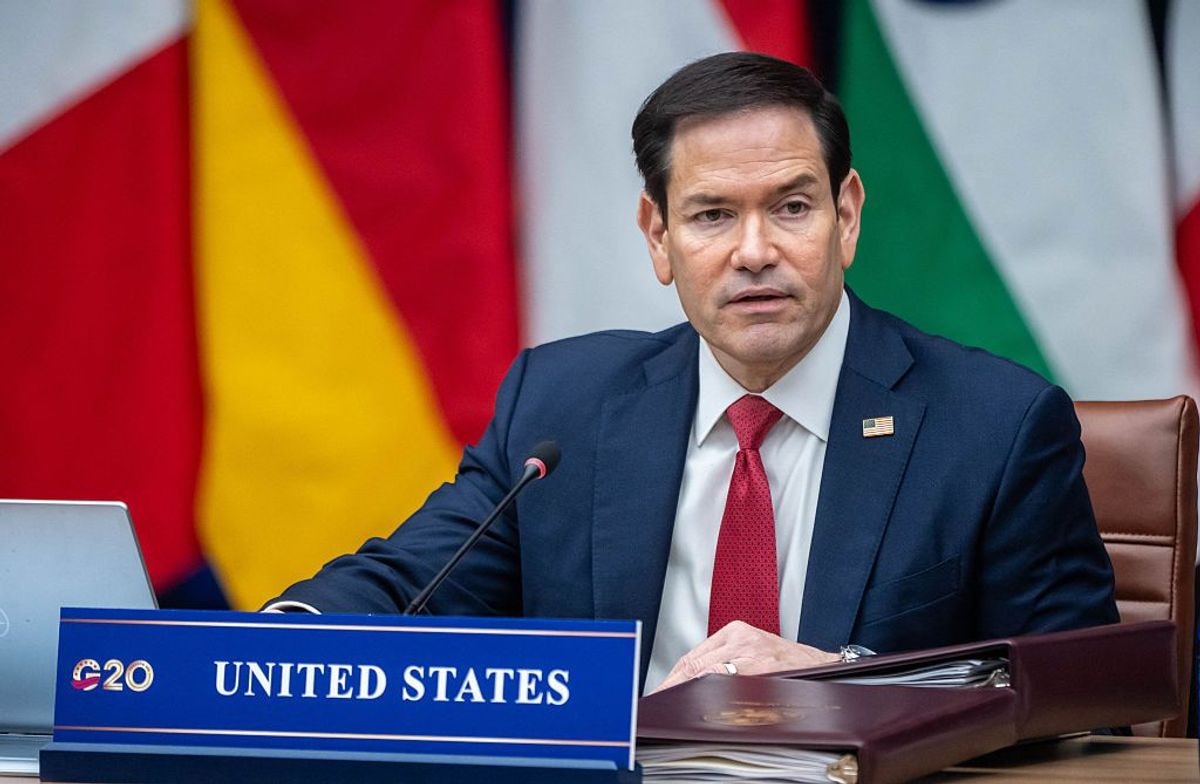
U.S. negotiators Steve Witkoff and Jared Kushner also told their Ukrainian counterparts that several mechanisms could prevent the Kremlin from using the money to finance its war. One option under consideration would be to transfer the proceeds into an escrow account in a third-party jurisdiction, the people confirmed.
U.S. negotiators told Ukrainian officials in September that the deal would be implemented only after Russia ends its war against Ukraine or agrees to a ceasefire.

The idea itself is hardly new. During Istanbul talks with Russia back in 2022, Ukrainian negotiators also proposed an arrangement under which Ukraine would receive what it portrays as reparations from Russia in the form of fees for transporting gas to Europe.
But despite Washington's new efforts, the proposal faces resistance in Brussels.
EU rejects prospect of renewed Russian gas imports
Several senior EU officials told the Kyiv Independent that they are frustrated by Washington repeatedly putting forward initiatives without first consulting the bloc.
"The Americans can propose what they want. That doesn't mean we will agree to it," one senior EU official told the Kyiv Independent.
The disagreement follows another recent clash over Russian assets. In October, the bloc roundly dismissed a U.S. proposal to place 200 billion euros (around $225 billion) in Russian frozen assets in Europe under U.S. custodianship.
On Russian gas imports, the EU has already committed itself in law to a complete phase-out by 2027. The legislation also seeks to prevent Russian gas from entering the bloc indirectly through third countries.

"Any gas, which before its import into the Union, was exported from the Russian Federation, either via direct export from Russia to the Union or via indirect export through a third country, should… be subject to the prohibition," the legal text reads.
That provision would also prevent companies from using an intermediary to sell Russian gas to the EU.
"Regardless of what happens, we are phasing out Russian gas and LNG. The last shipments will be finished by the end of next year," European Commission spokesperson Anna-Kaisa Itkonen told the Kyiv Independent.
Beyond its legal commitments, the bloc has little appetite for renewed dependence on Russian fossil fuels after Moscow repeatedly used energy supplies as a political tool.
"We know far too well the hidden costs of being dependent on Russia for the purchase of fossil fuels. They have been weaponized, and we have been paying the price. We do not forget," European Commission chief spokesperson Paula Pinho said.
"We should remind ourselves of who cut the supplies in the first place. It was Russia, in case it has been forgotten in the meantime," she added.
A senior EU official told the Kyiv Independent that the bloc's push for energy independence extends beyond the war in Ukraine.
"The (Persian) Gulf blowing up shows just how important that energy independence is," the official said, adding that the EU's move away from fossil fuels and toward domestic energy sources would continue regardless of the outcome of the war.