Ukraine war latest: Poland plans no-fly zone near Ukraine border, asks NATO to intercept Russian missiles over Ukraine
 on Google

Key developments on Nov. 25:
- Poland plans no-fly zone near Ukraine border, asks NATO to intercept Russian missiles over Ukraine
- Ukraine strikes 2 Russian oil refineries in massive attack on Samara Oblast, General Staff confirms
- SBU detains Russian GRU agent accused of plotting to kill Ukrainian special forces commander
- Ukrainian combat laser intercepts Russian jet-powered drone for first time
- Ukrainian journalists outnumbered 30 to 1 by Russian propagandists during Oleshky evacuation, reporter says
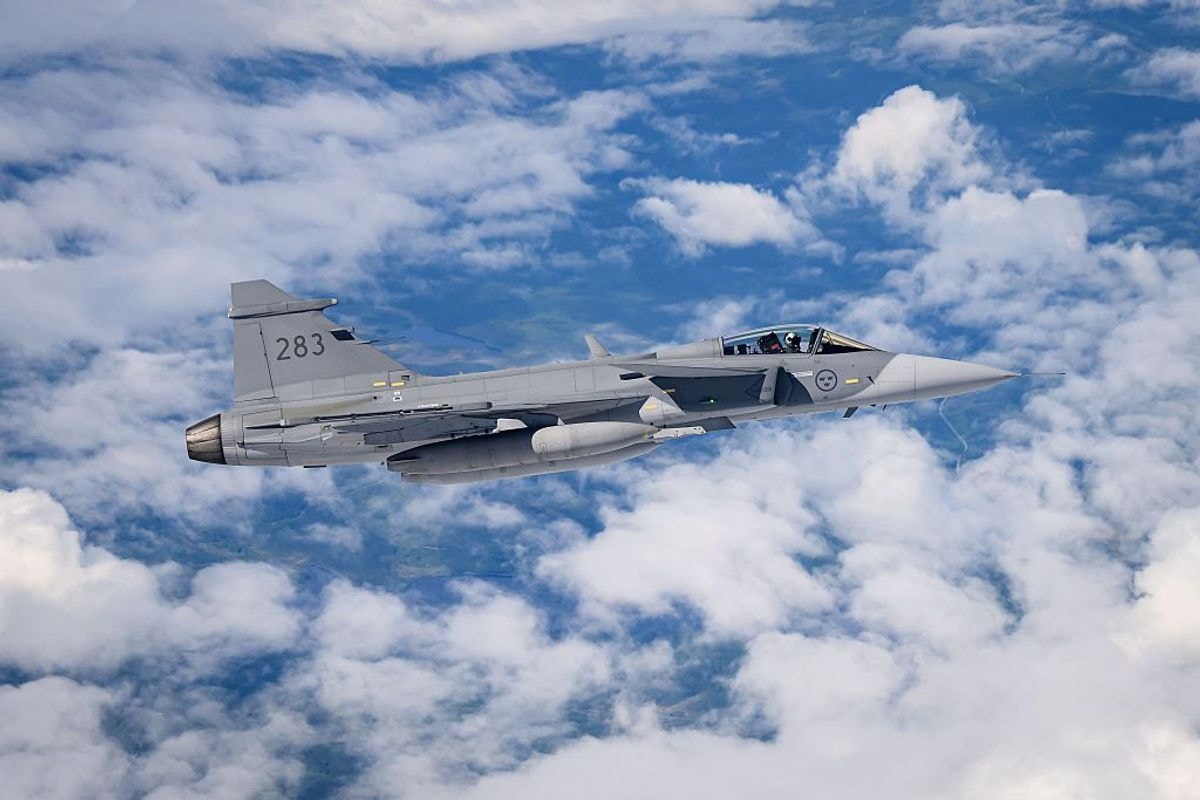
Poland plans to establish a no-fly zone along its eastern border with Ukraine by early 2027, Polish officials reported on Nov. 25.
The proposals come amid growing concerns over Russian aerial incursions into NATO territory, following a series of incidents involving Russian missiles and drones entering Polish airspace during attacks on Ukraine on Nov. 23 and 24.
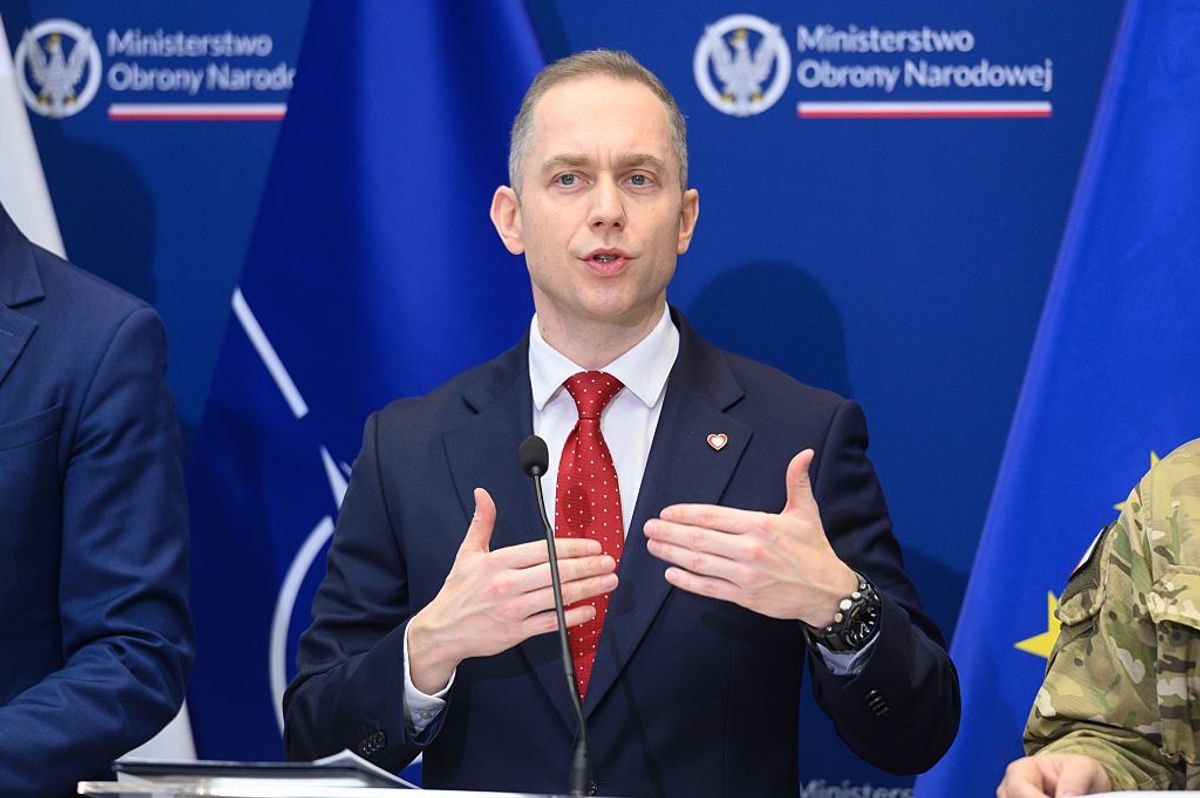
Polish Deputy Defense Minister Cezary Tomczyk said the planned no-fly zone would extend to over ten kilometers (six miles) from the country's eastern border. The government wants the relevant regulation to take effect by late December or early January, Tomczyk said, according to Polish media.
The zone would support a recently introduced procedure that allows Polish pilots to identify and potentially engage aerial targets based on radar information, intelligence from allies, altitude, and speed, rather than requiring visual identification, Tomczyk said.
Polish Foreign Minister Radosław Sikorski said on Nov. 25 that shooting down Russian missiles over Ukraine at Kyiv's request could constitute an act of self-defense.
Poland has already shot down Russian drones that entered its airspace during a large-scale Russian attack on Ukraine on Sept. 10, 2025, marking the first time a NATO member engaged Russian aerial targets since the start of the full-scale war.
Separately, Warsaw raised the possibility of NATO intercepting Russian missiles over Ukraine during a meeting of alliance ambassadors in Brussels on Nov. 23, Bloomberg reported, citing people familiar with the discussions.
Some allies supported the proposal, but the discussions remain preliminary, and no decision has been made yet.
Tomczyk said NATO was not supportive of the proposal, citing the complications it would create, and said previous discussions had ruled out such an arrangement, RMF24 reported.
Ukraine strikes 2 Russian oil refineries in massive attack on Samara Oblast, General Staff confirms
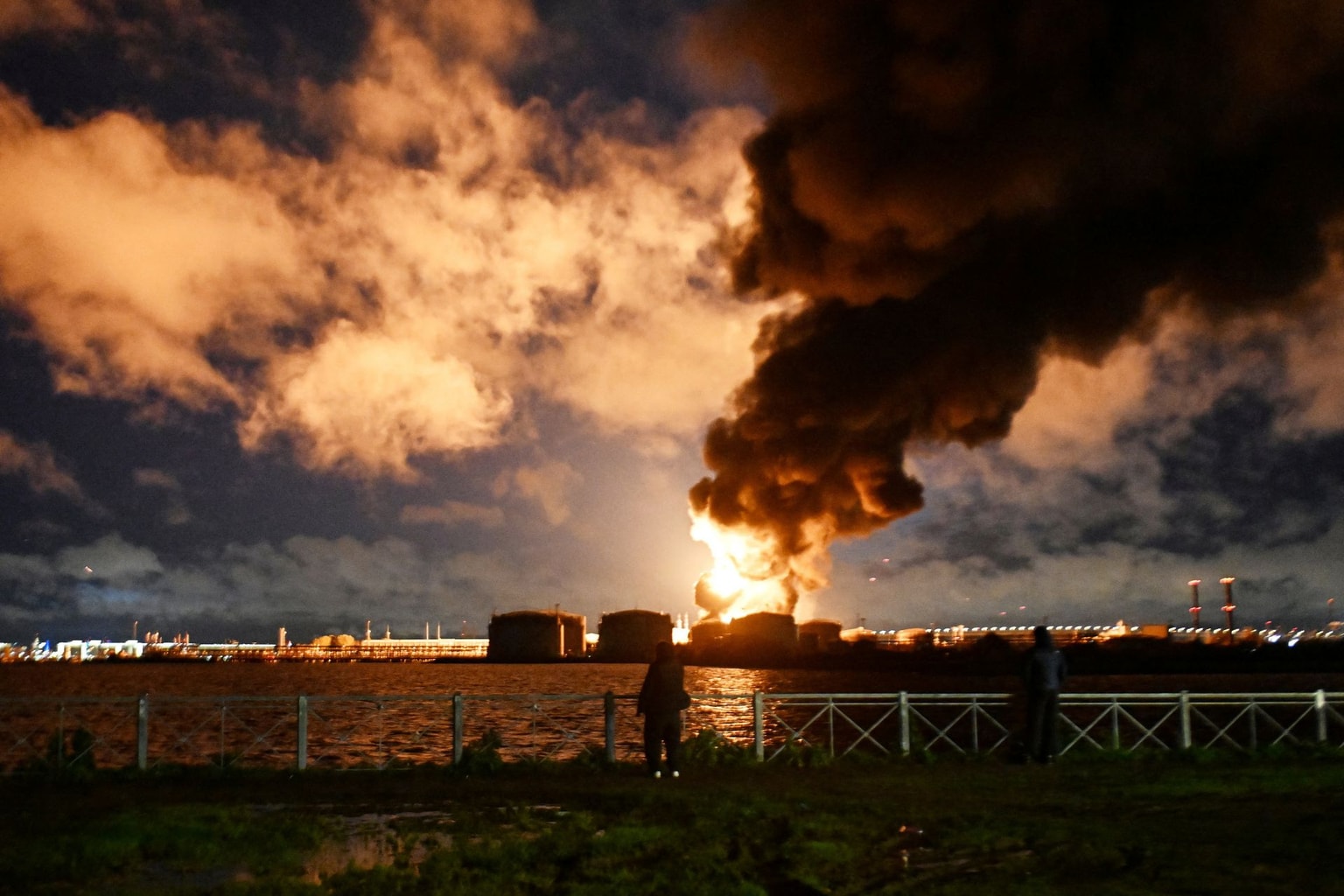
Ukrainian forces struck the Syzran and Kuibyshev oil refineries in Russia's Samara Oblast overnight on Nov. 25, the General Staff confirmed.
The two oil refineries, both located in Russia's Samara Oblast, are about 100 kilometers (62 miles) apart and are approximately 800 kilometers (500 miles) from Ukraine's border with Russia.
The General Staff said the operation was carried out in coordination with "Chernaya Iskra" ("Black Spark" in English), a resistance movement operating inside Russia.
The strike on the Kuibyshev oil refinery caused a fire and damaged the AVT-4 and AVT-5 primary oil processing units, a catalytic reforming unit, and two storage tanks, according to the report.
The Kuibyshev refinery, one of the largest oil processing facilities in Samara Oblast, is owned by Russia's state-controlled oil giant Rosneft, the General Staff said.
A large fire also broke out at the Syzran oil refinery. Preliminary reports indicated that the strike hit the AVT-6 primary oil processing unit, a sulfur treatment unit, a catalytic reforming unit, a hydrotreating unit, an isomerization unit, as well as two storage tanks, the General Staff said.
SBU detains Russian GRU agent accused of plotting to kill Ukrainian special forces commander
Ukraine's Security Service (SBU) has detained a former Ukrainian service member suspected of attempting to kill a commander of the Special Operations Forces in the city of Khmelnytskyi, the agency said on Nov. 25.
The attempted assassination comes amid a wider shadow war between Russian and Ukrainian intelligence services, which have increasingly used targeted killings and explosives against military and political figures away from the front lines.
The suspect, who worked for Russian military intelligence (GRU), planted an improvised explosive device in his car, which was parked near the building where the targeted commander lived. Acting on orders from Russian intelligence services, he was supposed to detonate the device as the Ukrainian service member walked past the vehicle, the SBU said.
The SBU caught the suspect just meters from the planned blast site as he prepared to detonate the homemade bomb with a remote control.
The alleged assassination plot also involved a second vehicle fitted with a remotely accessible camera, which Russian intelligence could use to record the explosion. The SBU said Moscow intended to use the footage in information and psychological operations aimed at destabilizing Ukraine.
The suspect is a former contract service member from Kharkiv who left the military in 2024 for health reasons. Russian intelligence recruited him through Telegram channels where he had been looking for opportunities to make quick money, the SBU said.
He was initially tasked with identifying Ukrainian military infrastructure in Kharkiv, including reserve command posts and vehicle parking areas, before being sent to Khmelnytskyi to prepare the assassination, according to the SBU.
To monitor the officer, the suspect allegedly rented an apartment near his home and installed a concealed camera on its balcony to track his daily movements. He later brought a crossover and another vehicle from Kharkiv, fitting the explosive device into the crossover in a rented garage.
In exchange for carrying out the killing, his Russian handlers allegedly promised to arrange his evacuation to Russia through third countries and provide him with Russian citizenship, the SBU said.
The suspect has been charged with high treason under martial law. He remains in custody without bail and faces life imprisonment with confiscation of property if convicted.
Ukrainian combat laser intercepts Russian jet-powered drone for first time
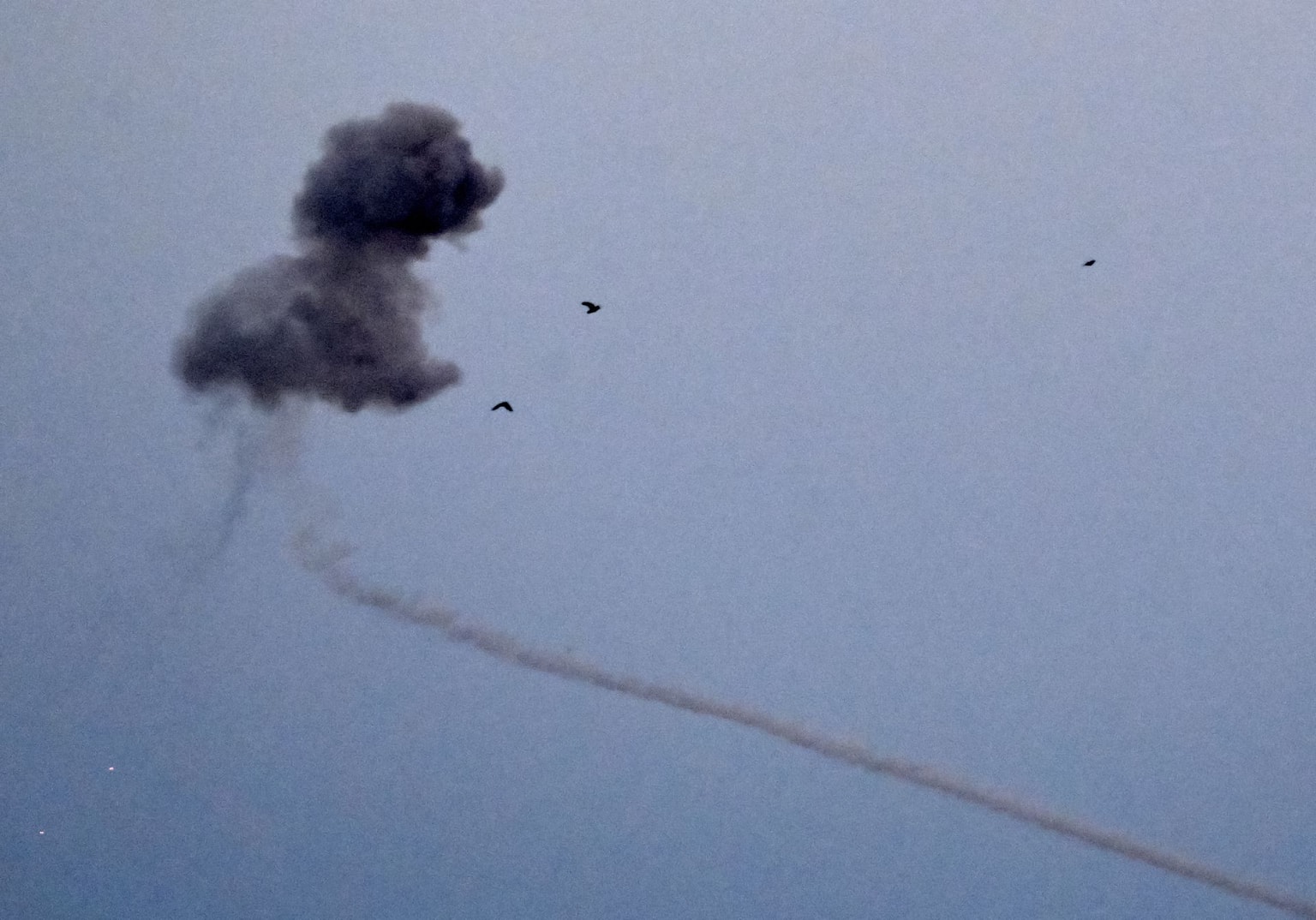
A Ukrainian air defense laser has successfully intercepted a Russian jet-powered Geran drone for the first time in combat conditions, presidential adviser Serhii "Flash" Beskrestnov said on Nov. 25.
The "Blysk" laser system, deployed by the company Carmine Sky, was protecting a critical infrastructure facility, Beskrestnov said in his statement. At the same time, he managed expectations for the new capability.
"It is still too early to talk about serial production of the laser. Tests are underway, during which lasers protect critical infrastructure facilities," he added.
Ukraine's deployment of Blysk comes as laser weapons are increasingly being developed as a cheaper alternative to conventional air defense missiles. Among the most prominent examples is Israel's Iron Beam, one of the first high-powered laser air defense systems to enter military service.
Ukraine's Blysk has a reported power output of four kilowatts and an effective range of up to one kilometer.
So far, persistent cloud cover and fog over Kyiv had reportedly prevented the system from engaging Russian drones effectively. Lasers suffer in poor weather, and cloud cover can disperse the beam before it reaches a drone.
On Nov. 19, Carmine Sky announced that Ukraine's first air defense laser was deployed to help protect Kyiv from Russian drones. The laser weapon could offer Ukraine a cheaper way to counter Russian drone attacks, requiring electricity rather than more costly interceptor drones or missiles. But the precision tracking of the target with a laser can be difficult against agile drones.
Beskrestnov said that the he technology is being developed within the framework of the "Private Air Defense" state program with the support of the Brave-1 defense technology cluster.
Launched by the Defense Ministry, the program authorizes companies to form air defense groups under the Air Force's operational control.
Currently, about 100 companies nationwide have joined the effort, with half forming active combat units. These private units use systems ranging from interceptor drones to automated gun turrets.
read also
Ukrainian journalists outnumbered 30 to 1 by Russian propagandists during Oleshky evacuation, reporter says
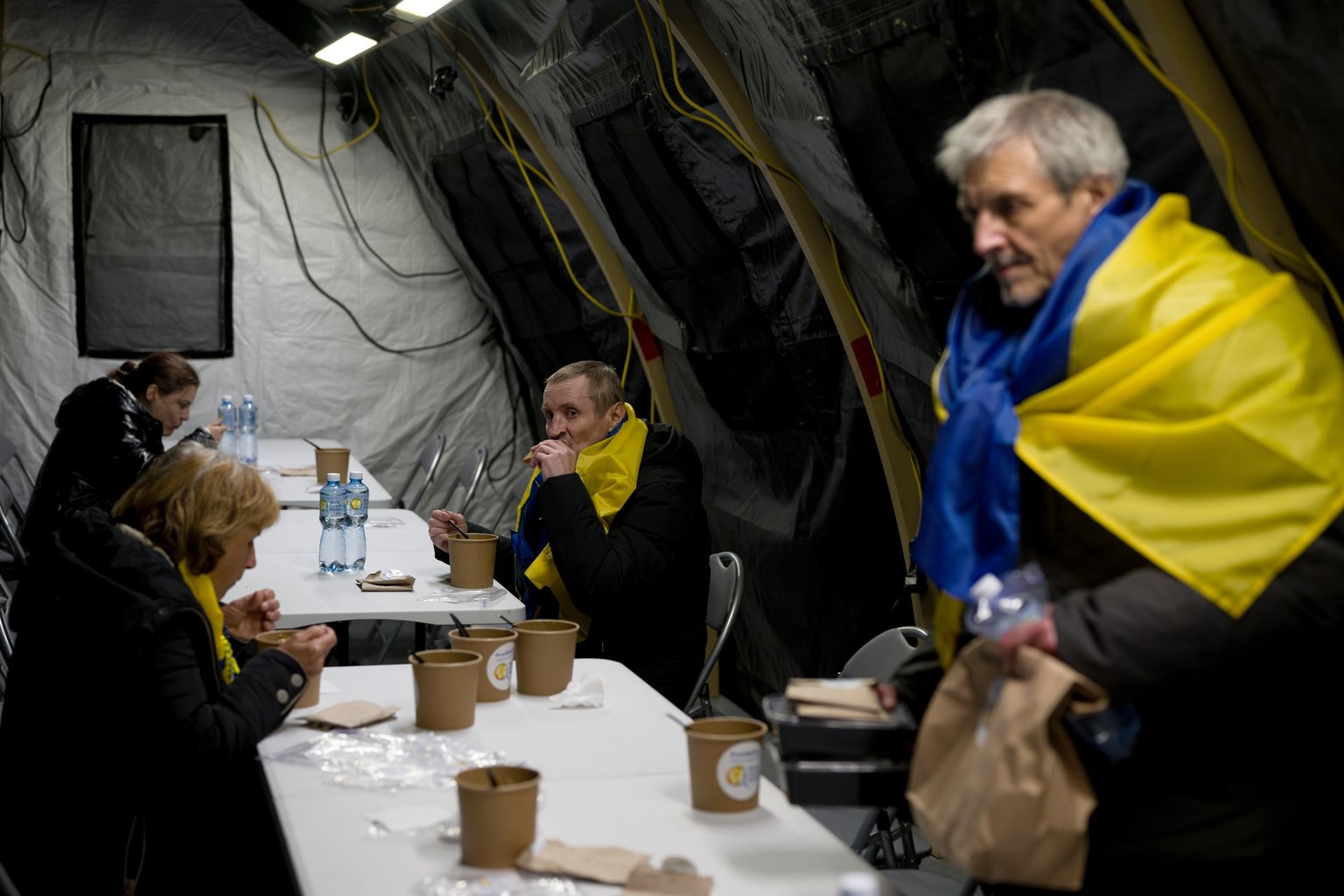
Ukrainian journalists covering a humanitarian mission from Russian-occupied Oleshky in Kherson Oblast were outnumbered by Russian propagandists and struggled to transmit their reporting due to limited communications, ICTV correspondent Yehor Romakhlo said, Detector Media said on Nov. 24.
The mission took place in late October under a temporary ceasefire negotiated between Ukraine and Russia with the involvement of U.S. first lady Melania Trump. The agreement allowed humanitarian aid deliveries and civilian evacuations from Oleshky, a city occupied by Russia since 2022, facing a severe humanitarian crisis.
Speaking at a joint meeting of a Ukrainian parliamentary committee and a commission investigating Russian crimes against journalists, Romakhlo described the challenges he faced while covering the operation alongside TSN cameraman Illia Shynkarenko.
Romakhlo said he learned about the assignment just four hours before departure, leaving little time to prepare.
One of the main obstacles was the lack of reliable communications. The Ukrainian crew had access to a Starlink satellite internet terminal, but it worked for only about half an hour in Oleshky, he said.
"It attracted enormous attention from the Russians, both the press and the military. They tried to connect to it and do something with it," Romakhlo said.
Russian journalists, by contrast, had reliable internet access throughout the mission, giving them a significant advantage in reporting from the occupied city.
"We were traveling on the same bus, and they were putting out material constantly, straight away. We didn't have that opportunity," Romakhlo said.
The Ukrainian crew also faced a significant numerical disadvantage, with roughly 30 Russian media representatives covering the mission. The Russian journalists worked together, sharing footage and coordinating their reporting.
"I understand the colleagues who, after our return, asked why other media weren't invited," Romakhlo said. "It would have been easier for us to work. We could have joined forces and actually accomplished more."
He also described Russian media representatives pushing Ukrainian journalists to the back during joint press encounters with Ukrainian Human Rights Commissioner Dmytro Lubinets and his Russian counterpart Yana Lantratova.
According to Romakhlo, the Russian side attempted to portray Ukraine as responsible for the humanitarian crisis in Oleshky, showing visiting journalists what they claimed were Ukrainian mines and drones as evidence.
Romakhlo called for better preparation of future humanitarian missions, including advance arrangements for media access, reliable communications, and clearer rules governing journalists' work.