Ukrainian journalists outnumbered 30 to 1 by Russian propagandists during Oleshky evacuation, reporter says
 on Google
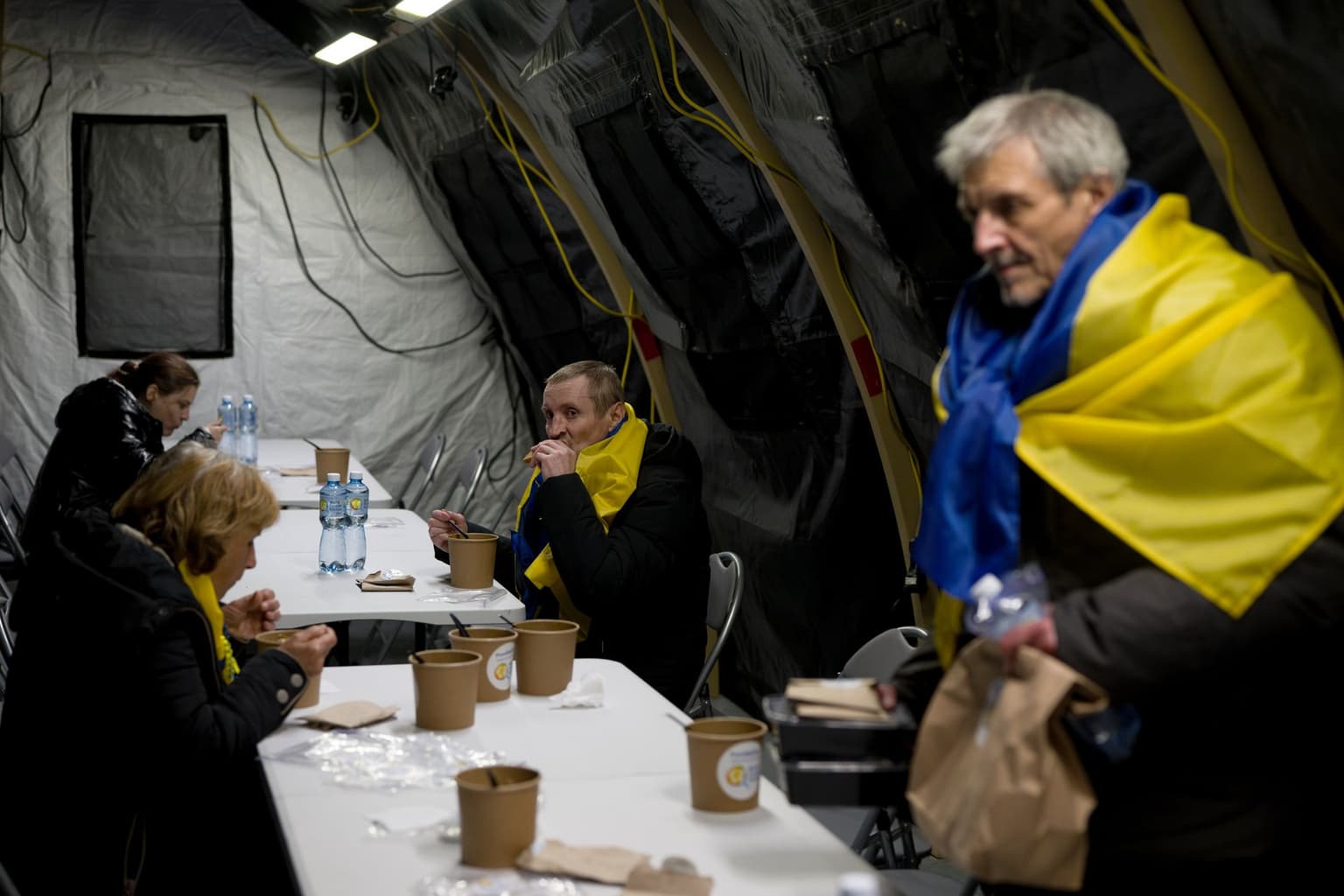
Ukrainian journalists covering a humanitarian mission from Russian-occupied Oleshky in Kherson Oblast were outnumbered by Russian propagandists and struggled to transmit their reporting due to limited communications, ICTV correspondent Yehor Romakhlo said, Detector Media said on Nov. 24.
The mission took place in late October under a temporary ceasefire negotiated between Ukraine and Russia with the involvement of U.S. first lady Melania Trump. The agreement allowed humanitarian aid deliveries and civilian evacuations from Oleshky, a city occupied by Russia since 2022, facing a severe humanitarian crisis.
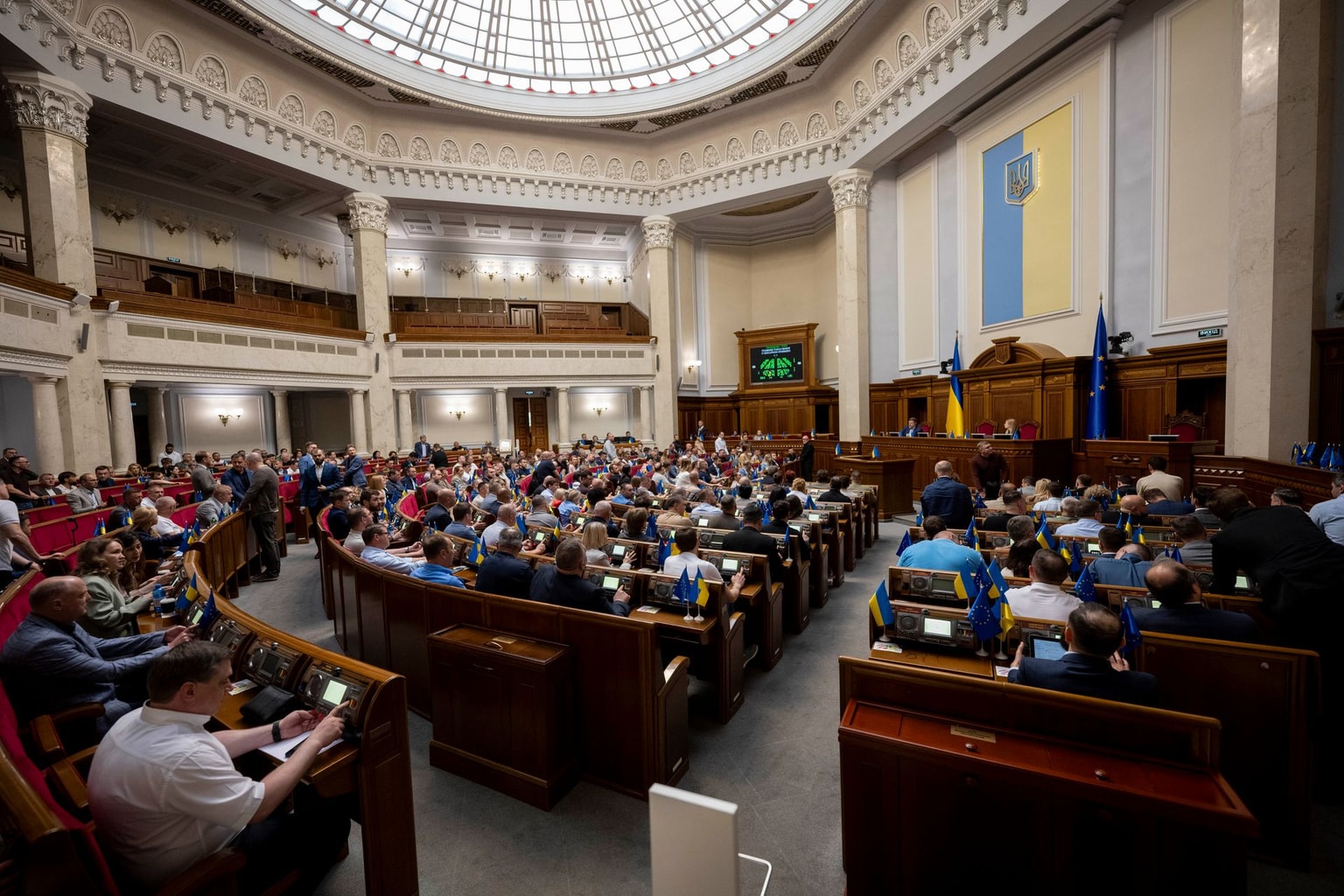
Speaking at a joint meeting of a Ukrainian parliamentary committee and a commission investigating Russian crimes against journalists, Romakhlo described the challenges he faced while covering the operation alongside TSN cameraman Illia Shynkarenko.
Romakhlo said he learned about the assignment just four hours before departure, leaving little time to prepare.
One of the main obstacles was the lack of reliable communications. The Ukrainian crew had access to a Starlink satellite internet terminal, but it worked for only about half an hour in Oleshky, he said.
"It attracted enormous attention from the Russians, both the press and the military. They tried to connect to it and do something with it," Romakhlo said.
Russian journalists, by contrast, had reliable internet access throughout the mission, giving them a significant advantage in reporting from the occupied city.
"We were traveling on the same bus, and they were putting out material constantly, straight away. We didn't have that opportunity," Romakhlo said.
The Ukrainian crew also faced a significant numerical disadvantage, with roughly 30 Russian media representatives covering the mission. The Russian journalists worked together, sharing footage and coordinating their reporting.
"I understand the colleagues who, after our return, asked why other media weren't invited," Romakhlo said. "It would have been easier for us to work. We could have joined forces and actually accomplished more."
He also described Russian media representatives pushing Ukrainian journalists to the back during joint press encounters with Ukrainian Human Rights Commissioner Dmytro Lubinets and his Russian counterpart Yana Lantratova.
According to Romakhlo, the Russian side attempted to portray Ukraine as responsible for the humanitarian crisis in Oleshky, showing visiting journalists what they claimed were Ukrainian mines and drones as evidence.
Romakhlo called for better preparation of future humanitarian missions, including advance arrangements for media access, reliable communications, and clearer rules governing journalists' work.
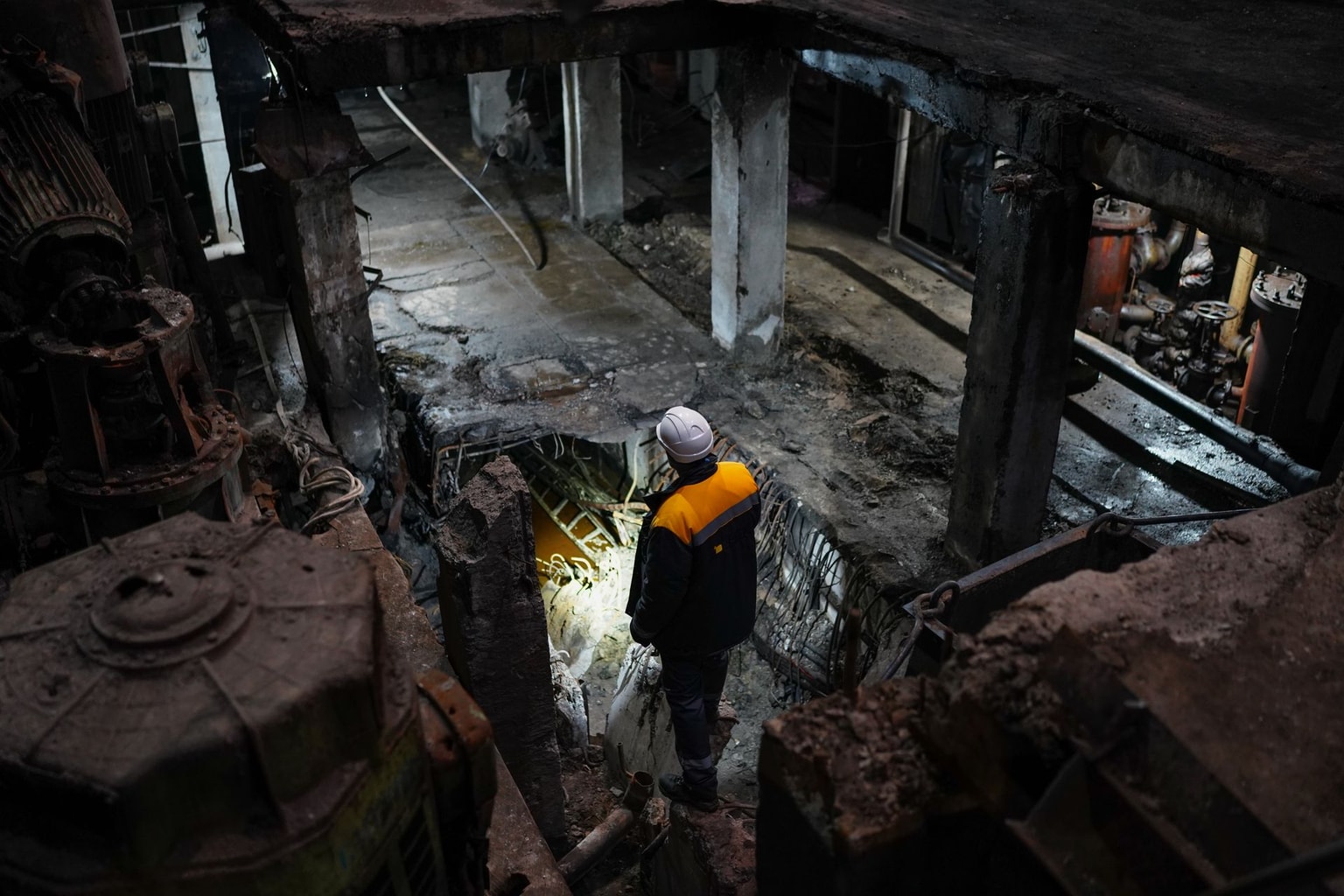
Before the evacuation, Oleshky had been facing a prolonged humanitarian crisis. Ukraine's Foreign Ministry said in May that the city's population had fallen from around 24,000 to approximately 2,000, while much of its critical infrastructure had been destroyed and residents were left without electricity and gas, with food supplies shrinking.
The localized ceasefire began on Oct. 27, allowing humanitarian aid deliveries and civilians to leave the occupied city.
On Nov. 2, Melania Trump said nearly 800 people had been evacuated during the mission, although neither Kyiv nor Moscow publicly confirmed the figure.
Ukraine has since proposed extending similar humanitarian arrangements to other occupied settlements where civilians remain trapped without reliable access to essential supplies.