Ukraine war latest: Zelensky approves 'new long-range operations' in response to Russian strikes
 on Google

Key developments on Sept. 19-20:
- Zelensky approves 'new long-range operations' in response to Russian strikes
- Moscow Oil Refinery ablaze after massive Ukraine missile, drone blitz on Russia
- Ukraine reveals new Operation Vivaldi gains in Donetsk Oblast
- US Army awards $10.6 million contract for Ukrainian Raybird drones
- No tanks, lone soldiers — Ukraine details new Russian assault tactics
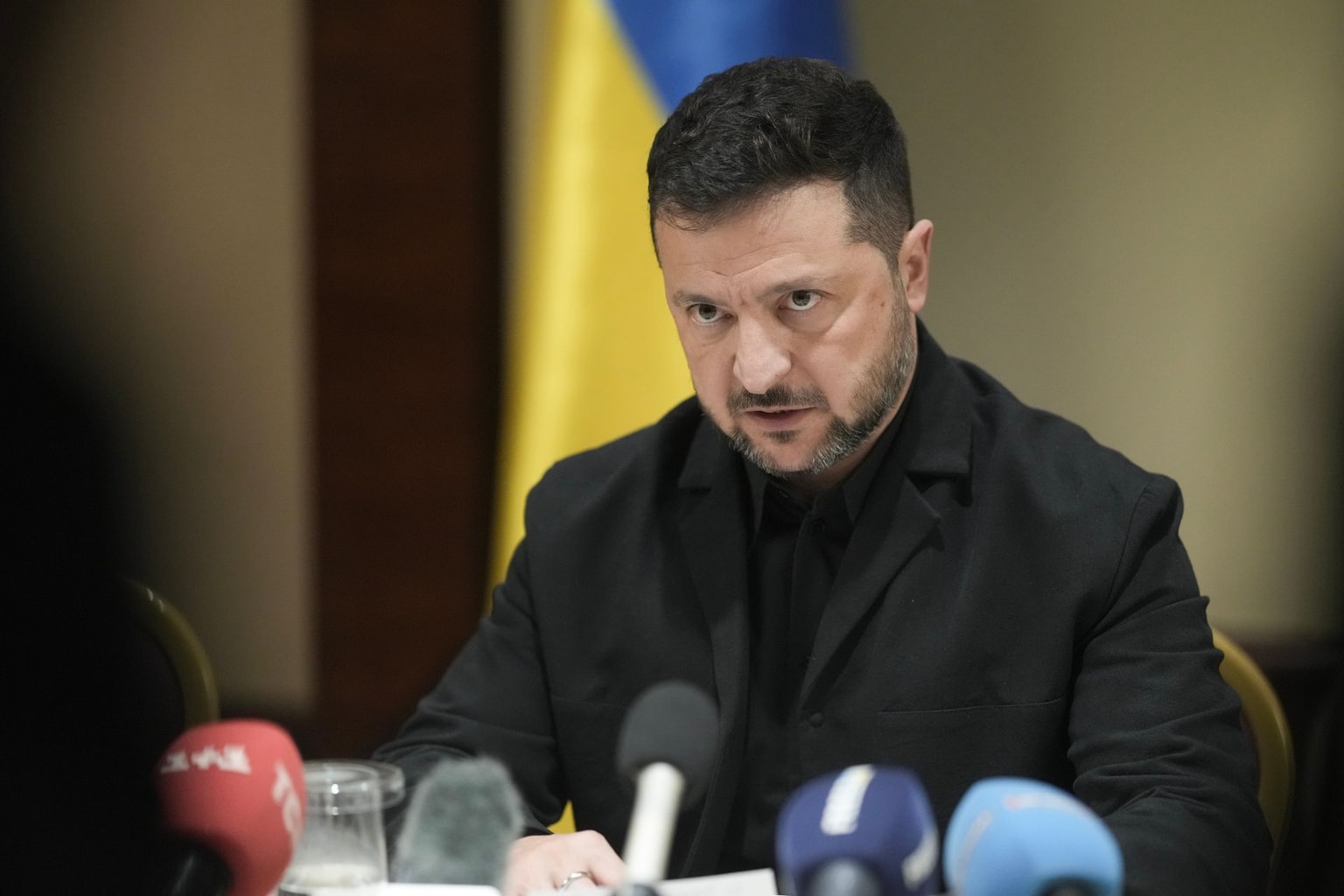
President Volodymyr Zelensky said on Sept. 19 that he had approved new long-range operations in response to Russian attacks.
Zelensky's announcement came after receiving reports from Defense Minister Yevhen Khmara and Commander-in-Chief Mykhailo Drapatyi.
The meeting focused on updating Ukraine's Medical Forces based on successful combat practices, changing the military's approach to recruiting foreign fighters, and future deep strike campaigns against Russia, the president said.
"I also approved new long-range operations in response to Russian strikes. We are preparing to expand our long-range capabilities," Zelensky said.
The president did not specify what the new operations would entail.
Zelensky has repeatedly described deep strikes as "long-range sanctions" against Moscow in response to Russian attacks on Ukraine.
Ukraine continues to grow its deep strike campaign against Russian oil facilities, military infrastructure, logistics hubs, and weapons production sites. In July, Zelensky said Kyiv had updated its list of priority targets and was capable of striking more than 3,000 kilometers (1,860 miles) inside Russia.
Russia, meanwhile, has swarmed Ukraine's cities with jet-powered drones and ballistic missiles throughout spring and summer 2026 as it prepares for another winter of devastating strikes on energy infrastructure.
Zelensky said after his briefing with military leadership on Sept. 19 that several Ukrainian systems designed to counter jet-powered Shahed-type drones have already proved effective in real-world combat.
Ukraine is now working toward systematic deployment and mass production, he said.
On the same day, Zelensky also claimed that Ukraine's new interceptor had succeeded in hitting two Russian Shaheds — including a jet-powered Geran-5 drone —in combat on Sept. 19.
The president's remarks come shortly after he announced on Sept. 15 that Ukraine had "successfully tested" a domestically developed interceptor against jet-powered Shahed drones.
Moscow Oil Refinery ablaze after massive Ukraine missile, drone blitz on Russia
Ukraine launched a massive drone and missile attack across Russia overnight on Sept. 20, sparking a huge blaze in Moscow on the final day of Russia's parliamentary elections.
President Volodymyr Zelensky and the General Staff confirmed the Gazpromneft-Moscow Oil Refinery had been targeted and set ablaze, and multiple videos posted on social media showed the Russian capital's morning skyline filled with smoke.
"Our long-range responses had a very significant impact in the Moscow region last night," Zelensky said.
Moscow Mayor Sergey Sobyanin said more than 1,600 drones had been intercepted and shot down across Russia, 450 of which were aimed at Moscow.
The Kyiv Independent could not verify the numbers but such figures would mark one of the largest attacks of the war by either side.
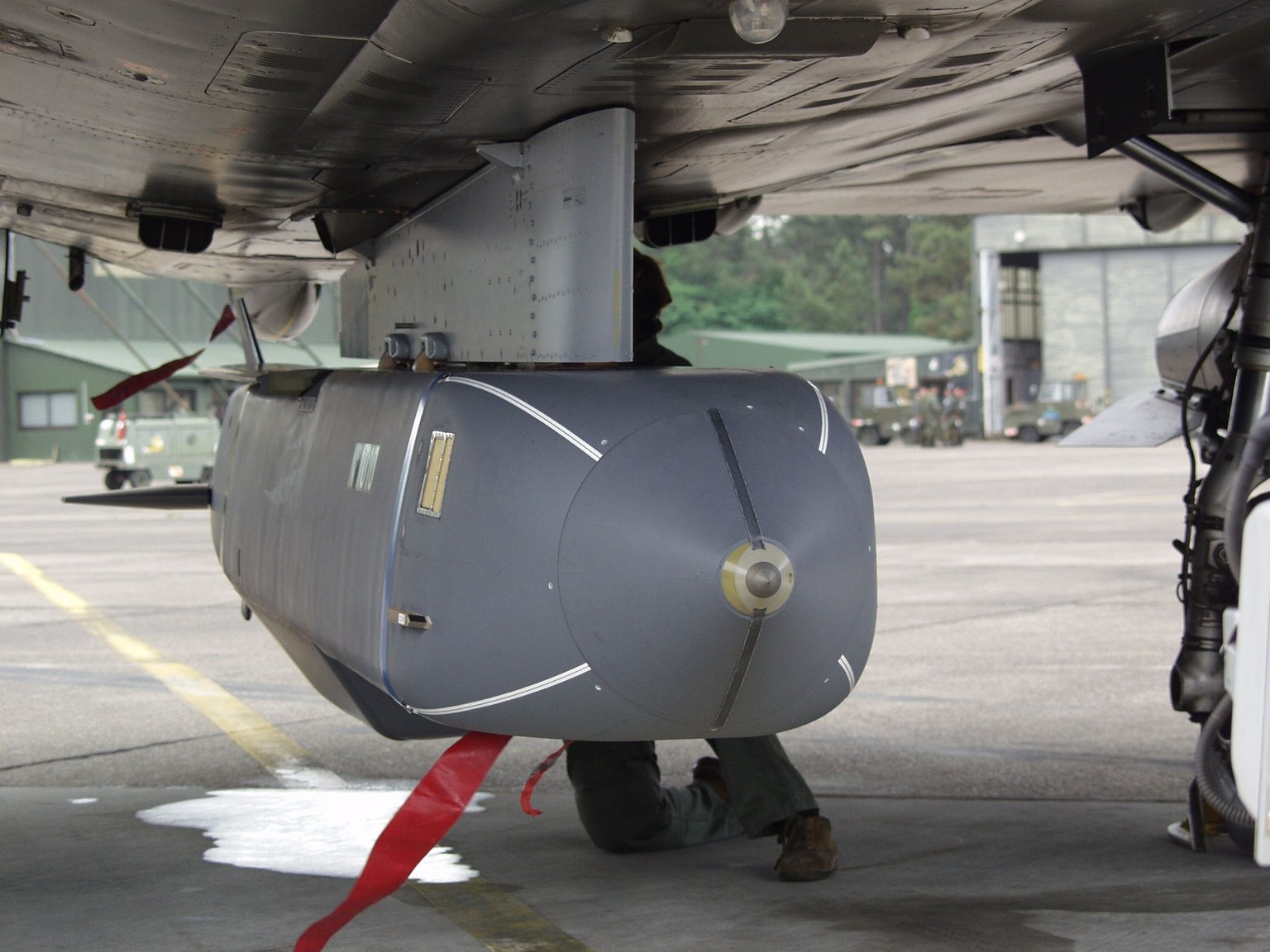
Zelensky did not say how many drones and missiles were launched, but listed several largely domestically produced weapons systems used in the attack including the Flamingo cruise missile.
Zelensky also mentioned a "Pelican" with several media outlets mistakenly reporting this was the first confirmed use of the much-anticipated FP-7 ballistic missile. Later reports clarified Pelican is in fact a drone.
The AVT-6 primary refining unit, the integrated oil refining unit, and the isomerization unit were damaged by the strike on the facility in the Kapotnya district, according to the General Staff.
Multiple videos posted to social media show the Moscow Oil Refinery in the Kapotnya district of the capital ablaze after several drone strikes.
"Striking such facilities belonging to the Russian aggressor constitutes Ukraine's exercise of its inalienable right to self-defense," the General Staff said in its statement.
The facility, located about 560 kilometers (about 350 miles) from Ukraine, is one of Russia's largest, with a refining capacity of 12 million tons of oil annually. It supplies 40% of Moscow's fuel market.
The attack came as Russia was holding the final day of its three-day State Duma elections, the country's first parliamentary vote since the start of its full-scale invasion of Ukraine in 2022.
"Moscow must end its brutal war and choose peace instead of building layered rings of air defense at the expense of other regions," Zelensky said in a post on X.
"Steps toward de-escalation are on the table — in energy and food security. What is needed is political will."
A drone struck a residential building in Sofyino, killing one woman and injuring five others, including two children, according to Vorobyov. In Ramenskoye, falling drone debris caused a fire on the roof of a 21-story residential building, prompting the evacuation of around 400 people.
In another district, a man was killed after a drone struck a private home, Russian authorities said.
The Kyiv Independent could not immediately verify Russia's claims.
Russian aviation authorities temporarily restricted operations at Domodedovo and Zhukovsky airports near Moscow overnight, citing flight safety concerns.
Russian authorities also reported temporary restrictions at other airports, including Saratov, as the attacks continued.
Ukraine reveals new Operation Vivaldi gains in Donetsk Oblast
Ukraine's 3rd Army Corps said it has liberated a further 40 square kilometers (15.4 square miles) of territory in Donetsk Oblast, as well as retaking several villages during the ongoing Operation Vivaldi offensive.
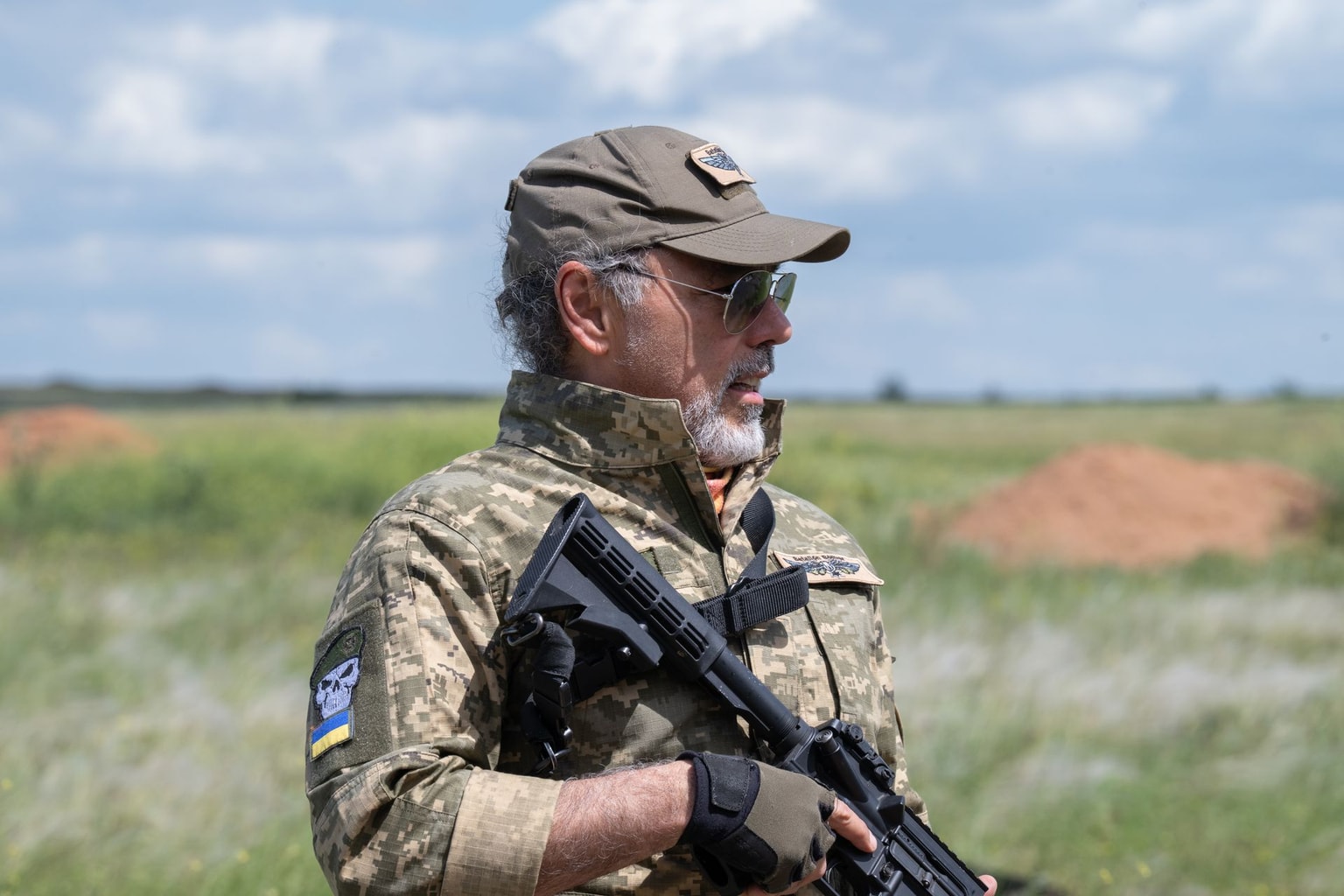
"As promised, I am reporting good news," corps commander Brig. Gen. Andrii Biletskyi said in a statement on Sept. 20.
"During the second 'season' of 'Vivaldi,' the 3rd Army Corps reclaimed another 40 square kilometers of Ukrainian land. Shandryholove and Derylove have been liberated. Drobysheve is under full Ukrainian control," he said.
"It is worth noting that Shandryholove is a critical point for both our troops and the enemy," he added.
Operation Vivaldi, the corps' offensive operation around Lyman in northern Donetsk Oblast, was only made public on Sept. 15, although Russian pro-war Telegram channels and independent open-source intelligence (OSINT) researchers on social media had been tracking Ukrainian attacks in the area since late spring 2026.
Until Sept.20 the 3rd Corps had only released details on the first phase of the operation and said it had cleared 75 square kilometers of Russian infiltrators and liberated a further 10 square kilometers.
Details of the operation from Ukraine have been sparse for operational security purposes, but Russian military bloggers have reported Ukraine pushed Russian forces back to the Zherebets River, potentially reversing over 18 months of steady Russian advances in the region.
"In accordance with the corps command's plan, the villages of Shandryholove and Derylove were enveloped from north to south — assault groups moved quickly and stealthily through ravines and gullies, ensuring the element of surprise," the 3rd Army Corps statement said.
"The units operated in close coordination — while some breached the defenses, others held the flanks along the demarcation lines, preventing the enemy from launching a counterattack. Assault groups were organized into mobile tactical units that dug into every tree line and strongpoint, burning out enemy pockets of resistance," it added.
"The operation is ongoing."
On Sept. 17, in an acknowledgment of broader operational success in the Lyman area, Biletskyi said that the "northern pincer" of Russia's attempt to surround Ukraine's hold on Donetsk Oblast had been "routed and destroyed."
A day later, the corps said Russia had pulled units of its elite unmanned systems formation Rubicon from the front line in northern Donetsk Oblast after suffering heavy losses.
The Rubicon Center for Advanced Unmanned Technologies is a sprawling Russian drone unit and the core of Russia's recently formed Unmanned Systems branch of the military.
The unit specializes in cutting off logistics, hunting Ukrainian drone teams on the ground, and intercepting high-value reconnaissance and strike drones, and is made up of detachments, each numbering several hundred personnel.
When deployed to priority areas of the front line, Rubicon and other units like it often create particular difficulties for the Ukrainian brigades facing them by making the existing "kill zone" deeper and deadlier, just as elite Ukrainian drone units do to Russian forces.
Effectively spotting and destroying the personnel and assets of enemy elite drone teams, equivalent to counterbattery fire in artillery terms, can thus create a major impact on the overall power balance in a given sector.
US Army awards $10.6 million contract for Ukrainian Raybird drones
The U.S. Army has awarded a $10.64 million contract to Skyeton Inc., the American arm of Ukrainian drone maker Skyeton, for Raybird reconnaissance drones and related services, according to a Defense Department statement issued Sept. 18.
The Raybird is a Ukrainian-developed fixed-wing reconnaissance drone designed for long-range missions and extensively used on the battlefield in Ukraine.
The U.S. Defense Department's disclosure said it awarded Skyteton Inc. a firm-fixed-price contract of $10.64 million covering the Raybird unmanned aerial system hardware and services.
The number of systems being purchased was not disclosed. Work locations and funding will be determined with each order, with completion of the contract expected by Dec. 15, 2026.
According to Skyeton, the drone is capable of remaining airborne for up to 24 hours and can travel as far as 2,500 kilometers (1,550 miles). The company says Raybird systems have logged more than 350,000 combat hours since the beginning of Russia's full-scale invasion. It also estimates that intelligence gathered using Raybird drones has helped to destroy billions of dollars worth of Russian military equipment.
The company has recently been a target itself. A Russian attack on Kyiv on May 14 destroyed Skyeton's office, though the company said its production had already been dispersed across facilities in Ukraine and abroad, allowing drone deliveries to the military to continue.
In August, Slovak police detained three foreign nationals over an alleged plot to set fire to a Skyeton drone factory in Slovakia. A company representative told the Kyiv Independent that Russian actors had repeatedly attempted to target its production facilities and reputation.
The U.S. purchase comes as Washington assesses how to incorporate lessons from the Ukrainian battlefield, where drone technology has evolved rapidly and changed how the war is fought.
Earlier in September, the U.S. Army ended the specialization of an approximately 600-member drone warfare unit less than a year after it was created within the Europe-based 173rd Airborne Brigade, returning it to a conventional airborne infantry role.
Lawmakers from both parties objected, warning that shutting down the experimental unit could weaken the military's ability to learn from Ukraine's experience.
The Army has continued integrating drones and related tactics elsewhere. Ukrainian personnel recently embedded with U.S. forces during the Saber Junction military exercises in Germany, where American troops used roughly 1,900 drones while practicing maneuvers shaped by what Ukraine has learned.
No tanks, lone soldiers — Ukraine details new Russian assault tactics
Russian assault tactics have changed over the past year, with troops now attacking in groups of just a few soldiers, or sometimes individually, in an effort to get through the "kill zone," Joint Forces Task Force spokesperson Viktor Trehubov said on Sept. 20.
Small groups or individual soldiers who make it past the "kill zone" hide in cove and wait for the others to follow in order to start planning how to assault further in more organized groups, Ukrainian news agency Ukrinform cited Tregubov as saying.
He said that Russian troops are reducing the number of soldiers they send on assaults each time, struggling with the "kill zone" on the northeastern front.
The statement comes as marching through the stretch of land between the rear and the front lines becomes deadlier than ever due to both sides' advancement of drones. Both sides are now trying to reduce the number of soldiers in each group to make it harder for drones to spot them.
The prevalence of drones from both sides has significantly changed assault tactics, making heavy equipment such as tanks a rare sight on the battlefield.
With the "kill zone" reaching 20 kilometers (12.4 miles), Russia has largely stopped using tanks or other heavy equipment for assault operations, according to Tregubov. Drones have replaced many of the tanks' roles for both sides, since driving a tank close to the front would be easily spotted and hit by much cheaper drones.
Ukrainian mechanized brigades also told the Kyiv Independent this spring that their tank crews rarely deploy in the current drone-dominated phase of the war.
"So, under our current conditions, tanks have gradually moved not just to the back seat, but to the third row," Ukrinform cited Tregubov as saying on television.
The only exception, he said, is when Russia can afford to provide "mass drone support" to send tanks into the "kill zone" or if the weather is unsuitable for Ukrainian drones to fly, such as during rain or fog.