No tanks, lone soldiers — Ukraine details new Russian assault tactics
 on Google
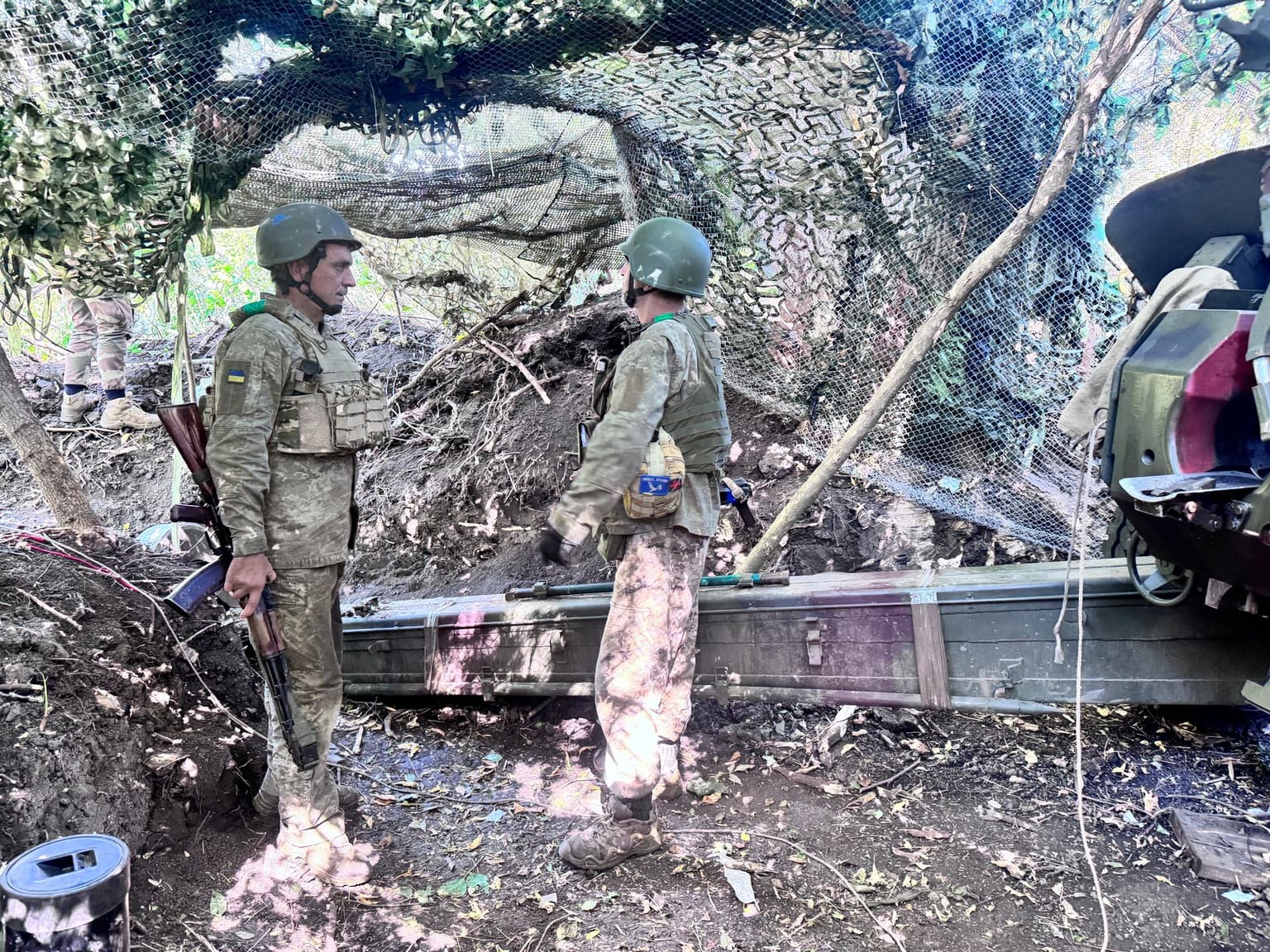
Russian assault tactics have changed over the past year, with troops now attacking in groups of just a few soldiers, or sometimes individually, in an effort to get through the "kill zone," Joint Forces Task Force spokesperson Viktor Trehubov said on Sept. 20.
Small groups or individual soldiers who make it past the "kill zone" hide in cove and wait for the others to follow in order to start planning how to assault further in more organized groups, Ukrainian news agency Ukrinform cited Tregubov as saying.
He said that Russian troops are reducing the number of soldiers they send on assaults each time, struggling with the "kill zone" on the northeastern front.
The statement comes as marching through the stretch of land between the rear and the front lines becomes deadlier than ever due to both sides' advancement of drones. Both sides are now trying to reduce the number of soldiers in each group to make it harder for drones to spot them.
The prevalence of drones from both sides has significantly changed assault tactics, making heavy equipment such as tanks a rare sight on the battlefield.
With the "kill zone" reaching 20 kilometers (12.4 miles), Russia has largely stopped using tanks or other heavy equipment for assault operations, according to Tregubov. Drones have replaced many of the tanks' roles for both sides, since driving a tank close to the front would be easily spotted and hit by much cheaper drones.
Ukrainian mechanized brigades also told the Kyiv Independent this spring that their tank crews rarely deploy in the current drone-dominated phase of the war.
"So, under our current conditions, tanks have gradually moved not just to the back seat, but to the third row," Ukrinform cited Tregubov as saying on television.
The only exception, he said, is when Russia can afford to provide "mass drone support" to send tanks into the "kill zone" or if the weather is unsuitable for Ukrainian drones to fly, such as during rain or fog.