Kyiv has developed new list of 'priority targets' for deep strikes in Russia, Zelensky says
 on Google
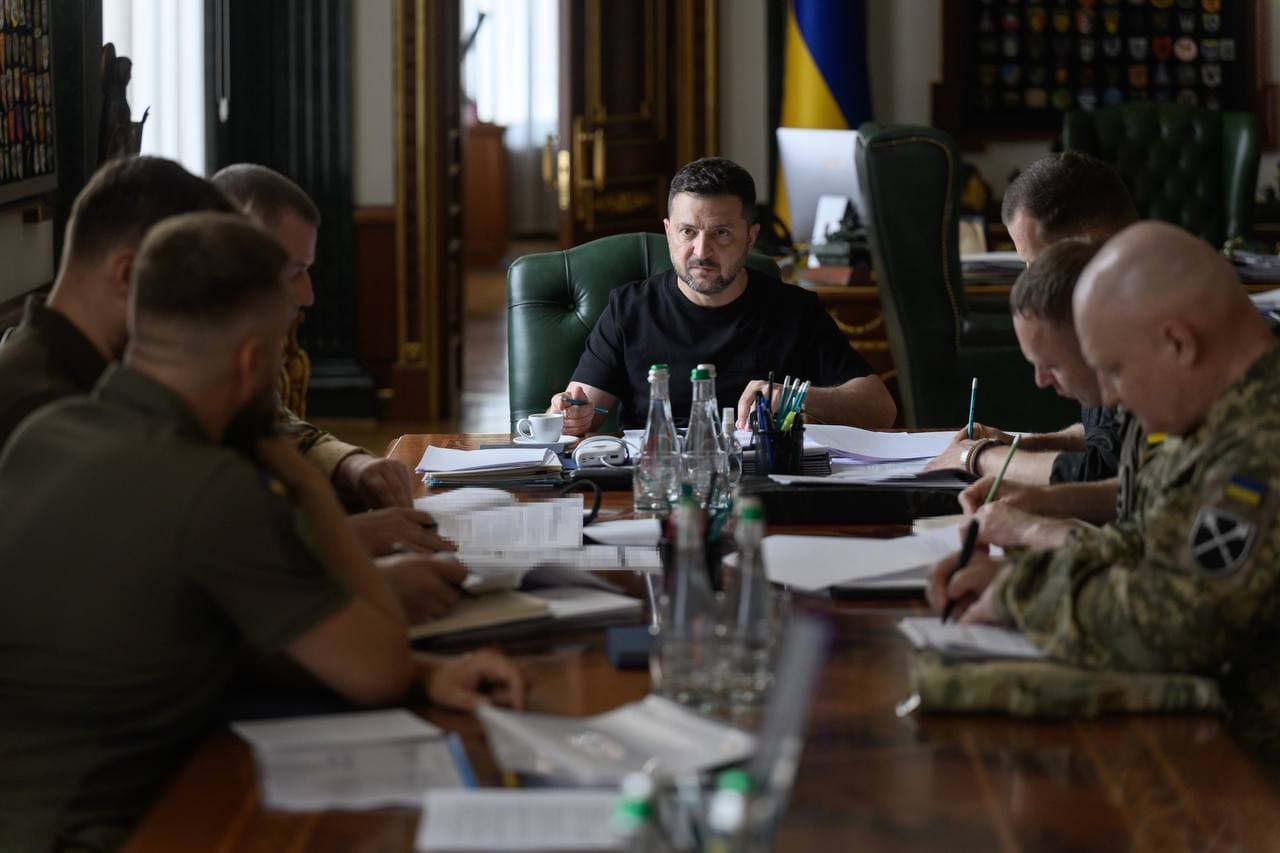
Ukraine has "updated the list of priority targets" to attack in long-range strikes against Russia, President Volodymyr Zelensky said after meeting with military leaders on July 26.
The announcement follows a week of consecutive Ukrainian attacks on logistics hubs owned by Wildberries, Russia's largest online retailer. The Wildberries strikes signaled a new development in Ukraine's drone campaign, which has previously focused on Russian oil refineries, military facilities, and energy infrastructure.
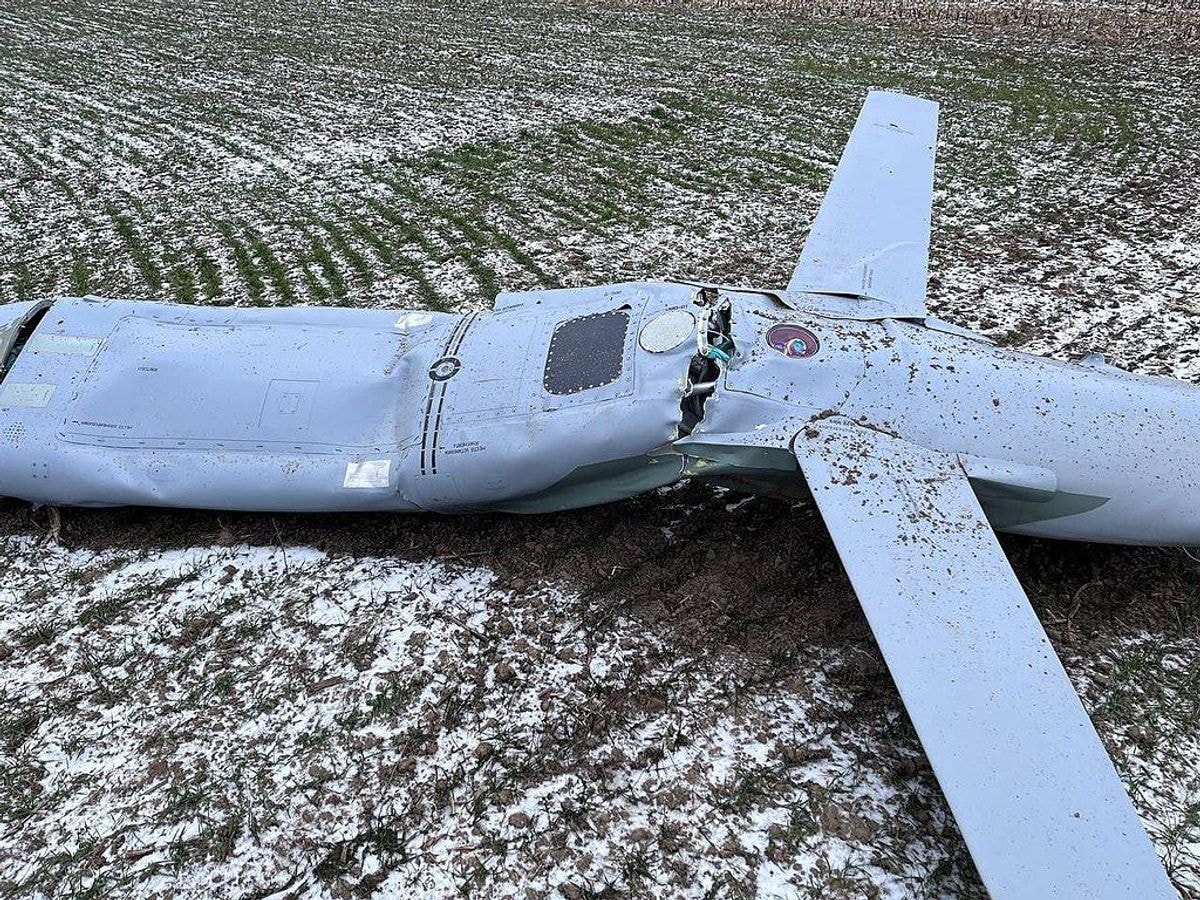
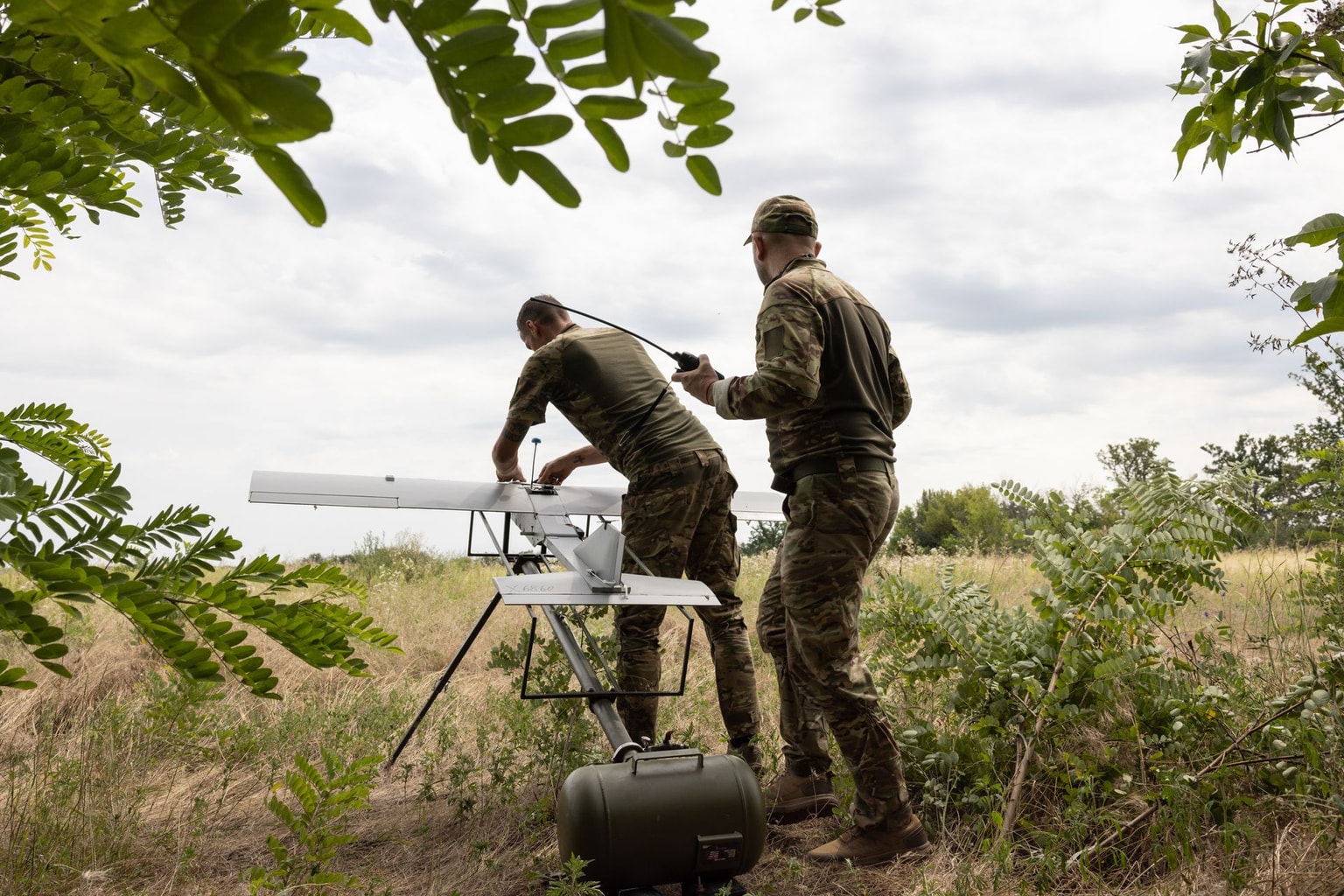
Zelensky's meeting with the military's top brass on July 26 centered on Ukraine's "long-range sanctions" against Russia — strikes deep within Russia and occupied territories launched with domestically produced Ukrainian weapons.
Ukraine is now able to strike targets at a distance of over 3,000 kilometers (approximately 1,864 miles), Zelensky said, and is working to extend operating capabilities even further.
"The strategic depth that has long been a Russian advantage is now becoming a particular problem for the political and military leadership of Russia, as the majority of Russian air defense systems are concentrated around Moscow, government residences, the Crimean Bridge, and St. Petersburg," Zelensky said.
The concentration of defenses on certain high-stakes targets — which Ukrainian drones have still managed to penetrate — leaves other key facilities across Russia's vast territory vulnerable to Kyiv's longer-reaching weapons.
"We have already demonstrated that Ukrainian drones can reach targets in the Ural region, Siberia, and other areas far from Moscow," Zelensky said.
According to the president, Ukraine has already carried out over a thousand combat missions related to the military's deep-strike strategy since the beginning of the year. His statement follows months of reports of increasingly successful strikes on Russian oil assets, weapons factories, shadow fleet vessels, and logistics hubs in the first half of 2026.
The deep strikes have been effective enough that Russians across the country have finally begun to feel the impact of the full-scale war on their everyday lives, as fuel shortages and economic disruptions mount. Zelensky reiterated that the goal of the attacks on Russia is to pressure the Kremlin to return to the negotiating table.
"Today, we agreed to continue our operations and updated the list of priority targets — in accordance with their real impact on Russia and its ability to continue and prolong this war," Zelensky said.
"The main goal is to further pressure Russia into diplomacy by disrupting the production of weapons components, causing oil and other economic losses, and bringing this war back to a 'familiar ground.'"