US Army shuts down specialized drone warfare unit as lawmakers raise concerns over loss of battlefield expertise
 on Google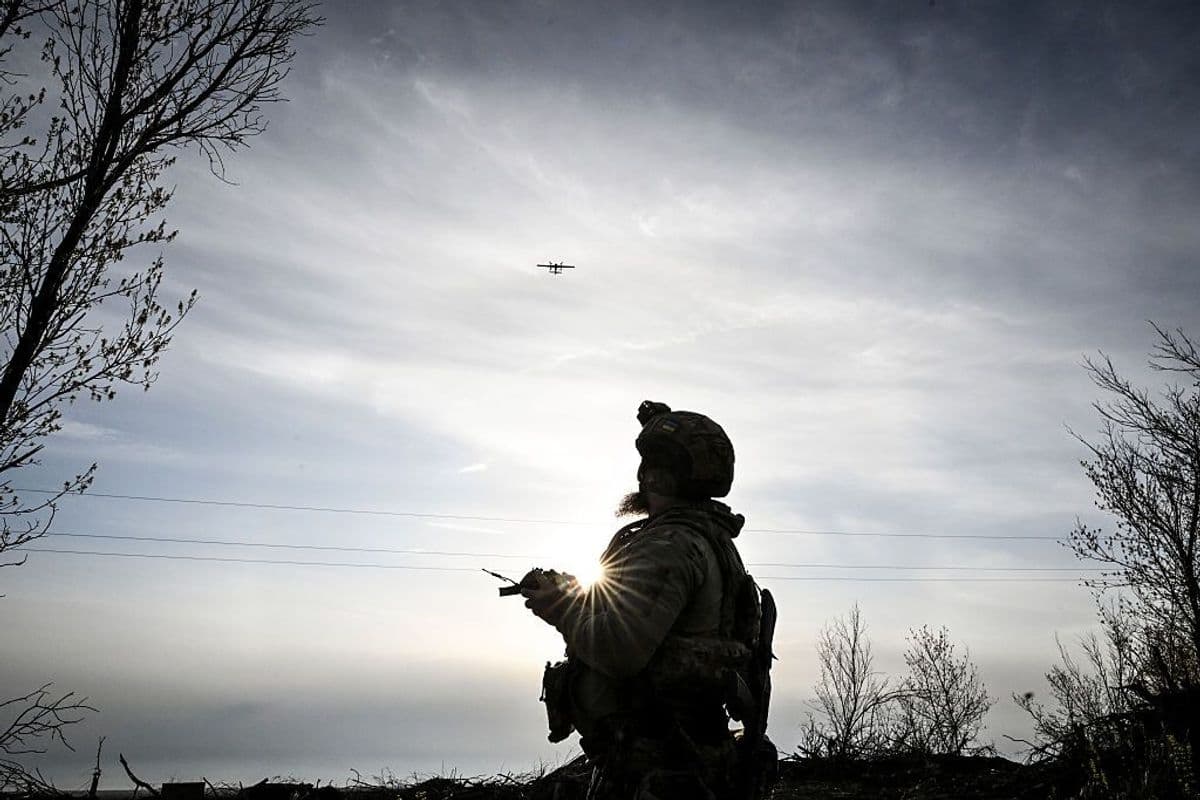
The U.S. Army is backing away from a specialized experimental drone warfare unit less than a year after it was created, as U.S. lawmakers raise concern over the loss of battlefield expertise stemming from Ukraine’s drone innovation.
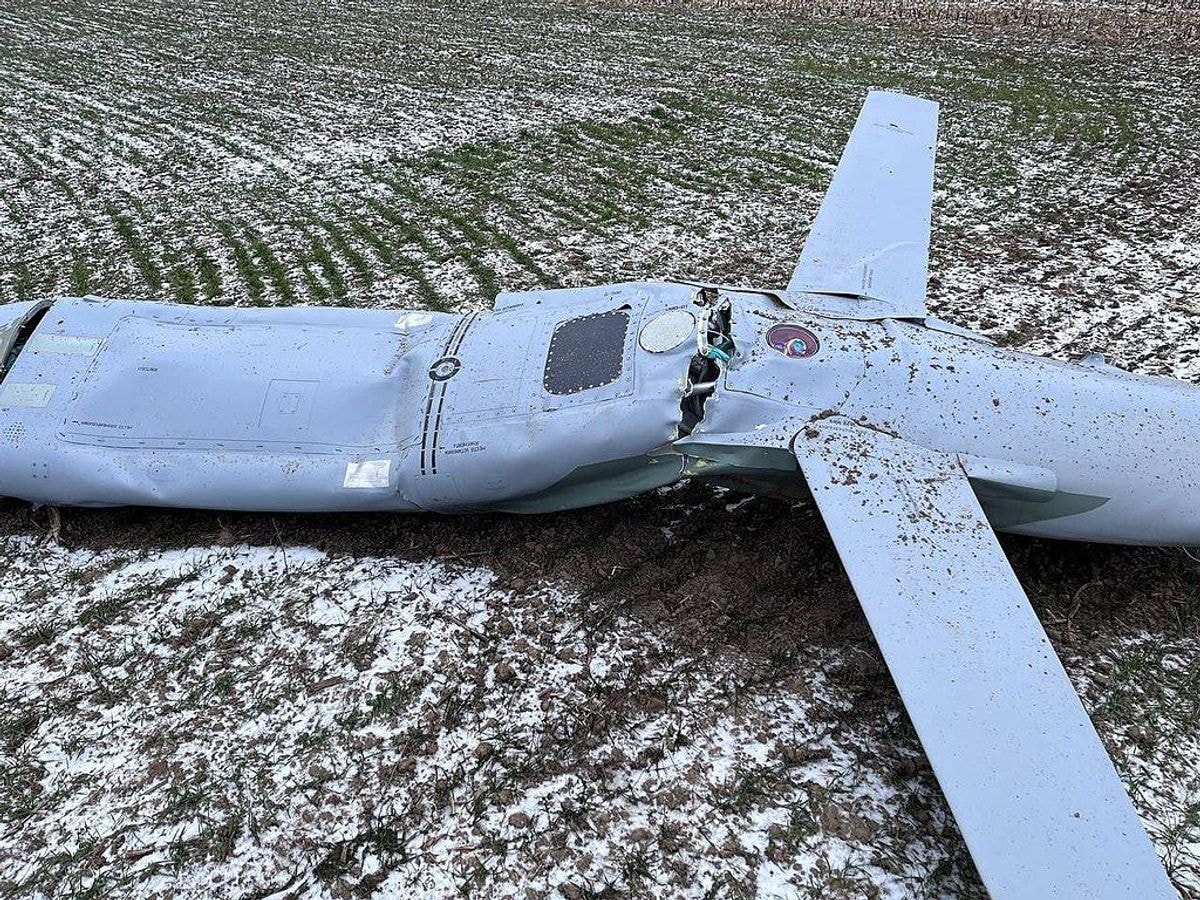
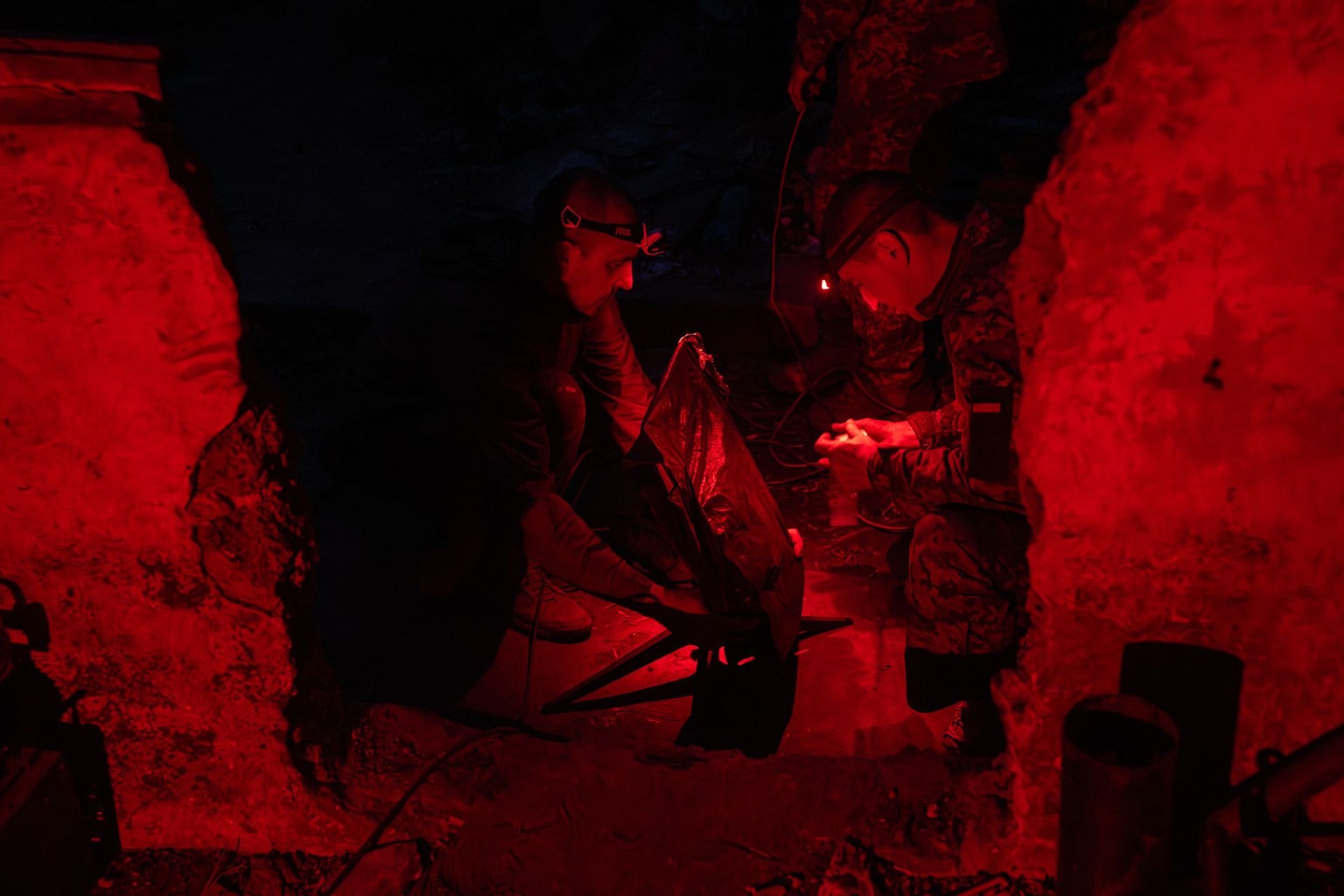
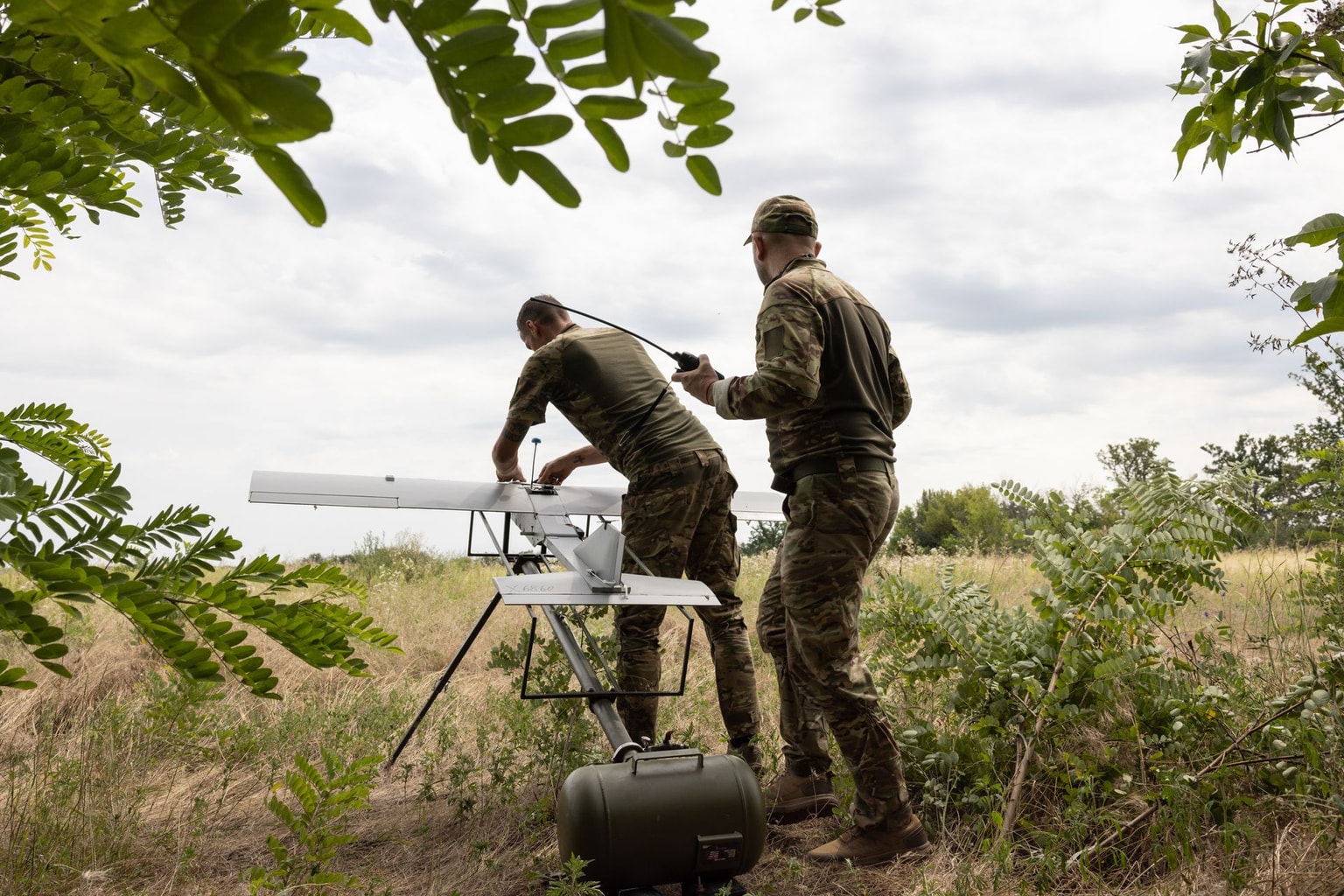
The approximately 600-member unit within the Europe-based 173rd Airborne Brigade had been building drones and practicing tactics gleaned partly from Ukraine’s battlefield experience. AP previously reported the unit was experimenting with attack drones, artificial intelligence, and other emerging systems before the Army decided to end the specialization.
The order to return the unit’s focus to conventional airborne infantry operations prompted a bipartisan group of lawmakers to warn that Washington’s ability to learn from Ukraine’s battlefield experience could be hampered.
Senators Jeanne Shaheen, Thom Tillis, and Angus King and Rep. Mike Turner co-signed a bipartisan letter, published Sept. 2, asking the Army to explain the decision to change the unit’s focus.
“We have deep concerns that eliminating this specialized drone unit will limit our ability to learn from allies, particularly the Ukrainian Armed Forces, and hinder our efforts to modernize drone warfare at the speed necessary to compete on the modern battlefield,” the lawmakers said in a letter shared with the Associated Press.
“This specialized unit was a prudent response in a moment when the character of warfare is changing faster than a conventional formation’s ability to adapt,” they wrote.
The senators are asking for a briefing explaining the data, analysis, and decision-making behind ending the specialization after less than a year, and whether the order came from Pentagon leadership or from within the Army.
The Army itself previously described this kind of experimentation as essential. Its 2025 Army Transformation Initiative said modern battlefields were changing rapidly and specifically called for modernized unmanned aircraft systems to be integrated into formations.
The decision comes amid a broader reduction in the U.S. military presence in Europe under President Donald Trump. Washington announced plans in October 2025 to reduce troop deployments along NATO’s eastern flank, followed this May by the withdrawal of roughly 5,000 troops from Germany and the cancellation of a planned deployment of 4,000 troops to Poland.
The moves have fueled concerns among European allies over Washington’s long-term commitment to the continent’s security as Russia’s war against Ukraine intensifies.
On Sept. 3, Trump said he will ask European countries to repay Washington for ammunition and military aid given to Ukraine under former President Joe Biden.