Ukraine urges countries to close 'Russian House' centers, citing disinformation, espionage risks
 on Google
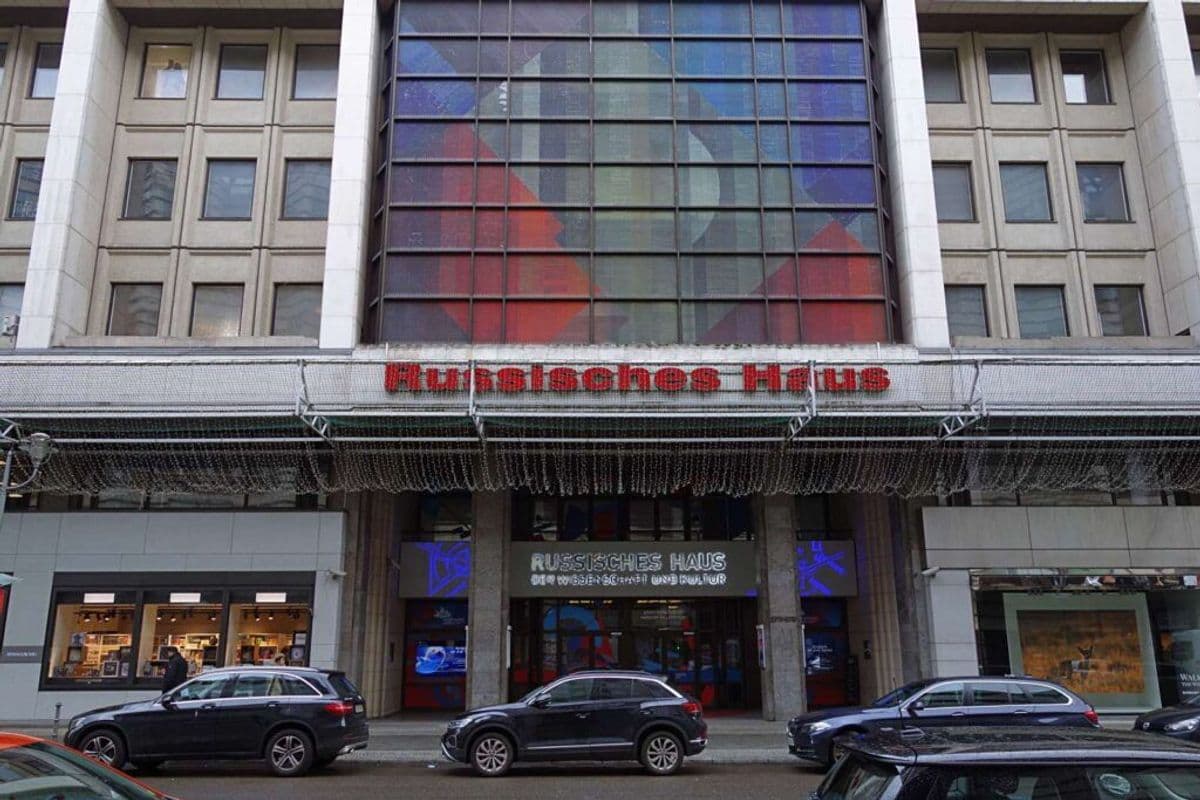
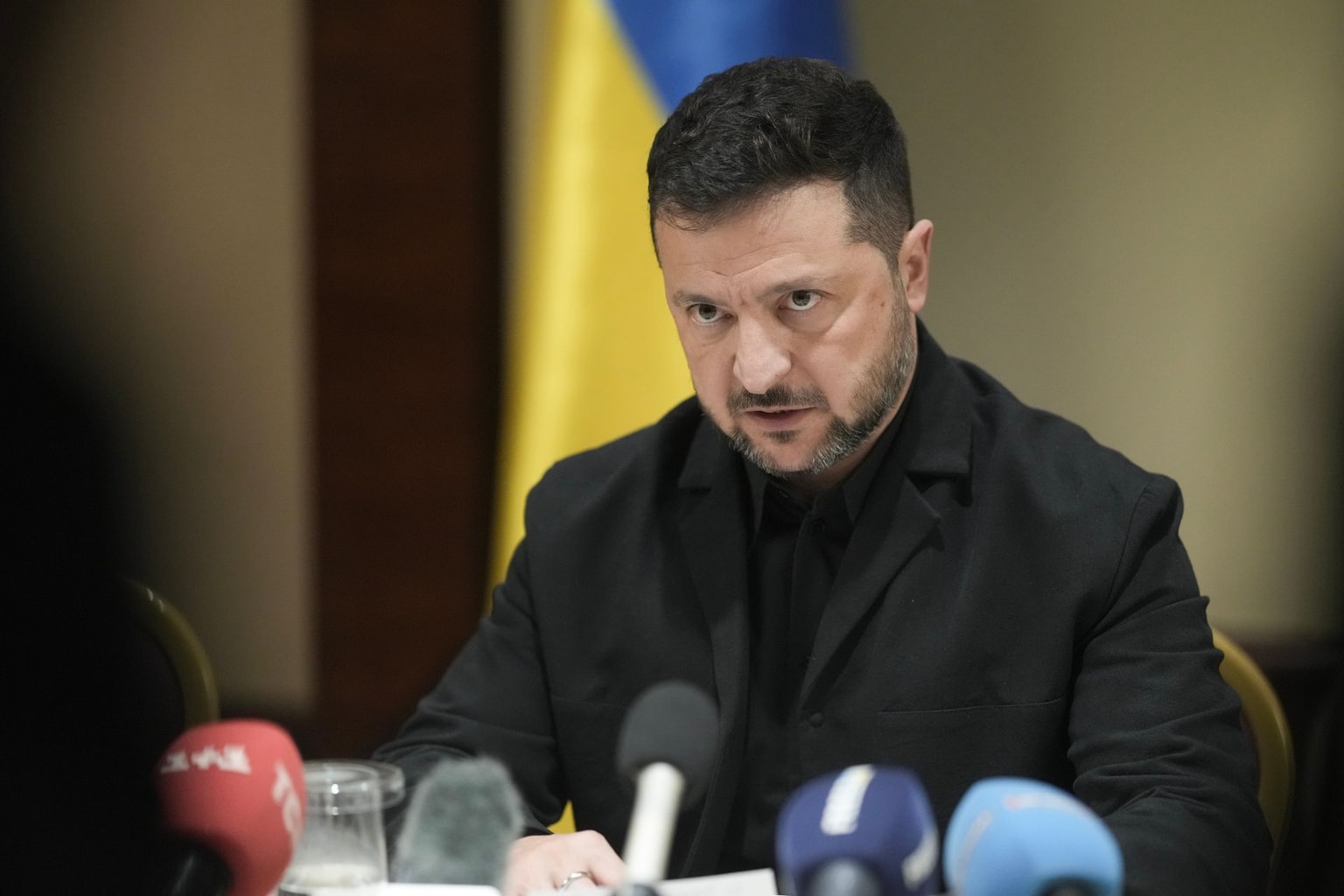
Ukraine has formally urged governments around the world to restrict or shut down Russian state-run cultural centers, Foreign Minister Andrii Sybiha said on Sept. 19, accusing the network of being used for disinformation, destabilization, and espionage.
Sybiha singled out Rossotrudnichestvo, the Russian government agency that operates the so-called Russian Houses abroad, saying Moscow uses cultural and humanitarian institutions as part of a broader campaign to influence public opinion outside Russia.
"The cognitive domain of modern warfare must not be underestimated," Sybiha said, arguing that Russia is waging a global battle for public opinion through a network of organizations and communications channels.
Ukraine has contacted governments around the world and provided what Sybiha described as arguments for restricting the centers' activities or closing them altogether. He said Russian Houses continue to operate in at least seven European countries, with an even larger network across Africa, Asia, and South America.
"Our shared European home is not the place for 'Russian houses' promoting war propaganda," Sybiha said.
His comments come after Germany moved to close the Russian House in Berlin as part of its response to an attempted explosive-drone attack at Leipzig/Halle Airport in August that Berlin has attributed to Russia.
The German government formally blamed Russia for the incident on Sept. 1, citing findings from its intelligence services, partner agencies, and criminal investigations. Berlin subsequently ordered Russia's remaining consulate-general in Bonn to close and terminated the agreement governing the Russian House in Berlin.
The Berlin center is operated by Rossotrudnichestvo, which has been under European Union sanctions since 2022. Germany has dismissed staff and ordered personnel sent from Russia to leave the country, sharply curtailing the center's operations. The bilateral agreement underpinning its operation as a cultural institute is formally due to expire in mid-2027.
Germany also announced plans to seek additional sanctions against Moscow, tighten entry restrictions for Russian citizens, and increase pressure on Russia's so-called shadow fleet following the Leipzig incident.
Moscow has denied responsibility for the attempted drone attack. Russia responded to Germany's measures by ordering the closure of the German Consulate-General in St. Petersburg and the Goethe-Institut's cultural centers in Russia.
The dispute comes amid heightened concern in Europe over suspected Russian hybrid operations, including sabotage, cyberattacks, drone incidents, disinformation, and attempts to influence political debate.
NATO Secretary General Mark Rutte described the Leipzig incident as a Russian hybrid attack and said the alliance stood in solidarity with Germany. NATO has separately said Russia is conducting a wider campaign of hybrid activity against its members involving critical infrastructure sabotage, cyber operations, disinformation, and malign political influence.
Sybiha said that despite closures in several countries, Russia is continuing to expand the network elsewhere.
Rossotrudnichestvo announced earlier in September that it plans to establish 11 additional Russian Houses abroad, including eight in African countries.