Culture

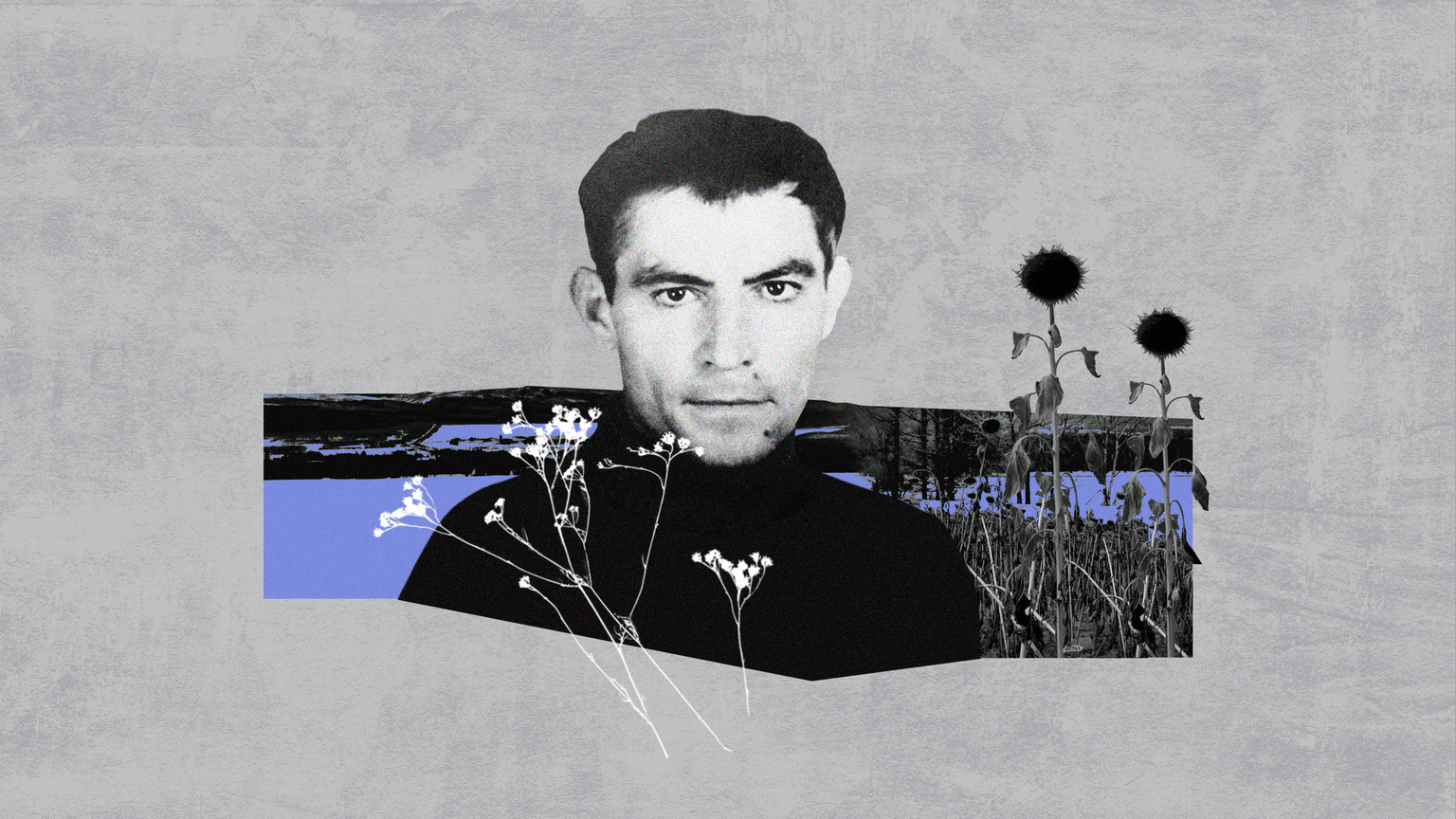
On the 40 year anniversary, here are 5 books to better understand Chornobyl nuclear disaster
Culture

On the 40 year anniversary, here are 5 books to better understand Chornobyl nuclear disaster

by Kate Tsurkan

On April 26, 1986, the explosion at Reactor No. 4 of the Chornobyl Nuclear Power Plant forever changed the lives of millions in Ukraine, Belarus, and Russia. Although Communist authorities initially tried to suppress news of the disaster even within the Soviet Union, radioactive fallout was soon thereafter detected by neighboring European countries, and the entire world took notice. The catastrophe became a critical turning point, exposing the flaws in the Soviet system and hastening the Soviet

News Feed

Magyar's Russian energy phase-out plan for Hungary falls short

Peter Magyar's plan to end Hungary's reliance on Russian fossil fuels seems to lack urgency — and risks perpetuating Viktor Orban's legacy. Magyar's Tisza party, which is to form the new government in May, has set 2035 as the deadline to end the country's energy reliance on Moscow. But experts argue that Hungary could pivot much faster, as long as there is "political will." Non-Russian fossil fuel supply routes, such as Croatia's Adria oil pipeline or liquefied natural gas (LNG) terminals acce

Péter Magyar, leader of the pro-European conservative TISZA party, in Budapest, Hungary, on April 12, 2026.

About Culture

Our reporting on literature, films, art, and traditions from Ukraine and the latest news on culture in Eastern Europe.

Ukrainian culture
Ukrainian culture has survived centuries of Russian attempts to appropriate Ukrainian art, silence Ukrainian artists, and erase the Ukrainian language. Modern Ukrainian writers, filmmakers, and musicians — some of whom are serving on the front lines — continue to develop Ukrainian culture and fight for Ukraine’s future.
News Feed