Ukraine strips 8 military units of right to conduct basic training after inspections, Syrskyi says
 on Google
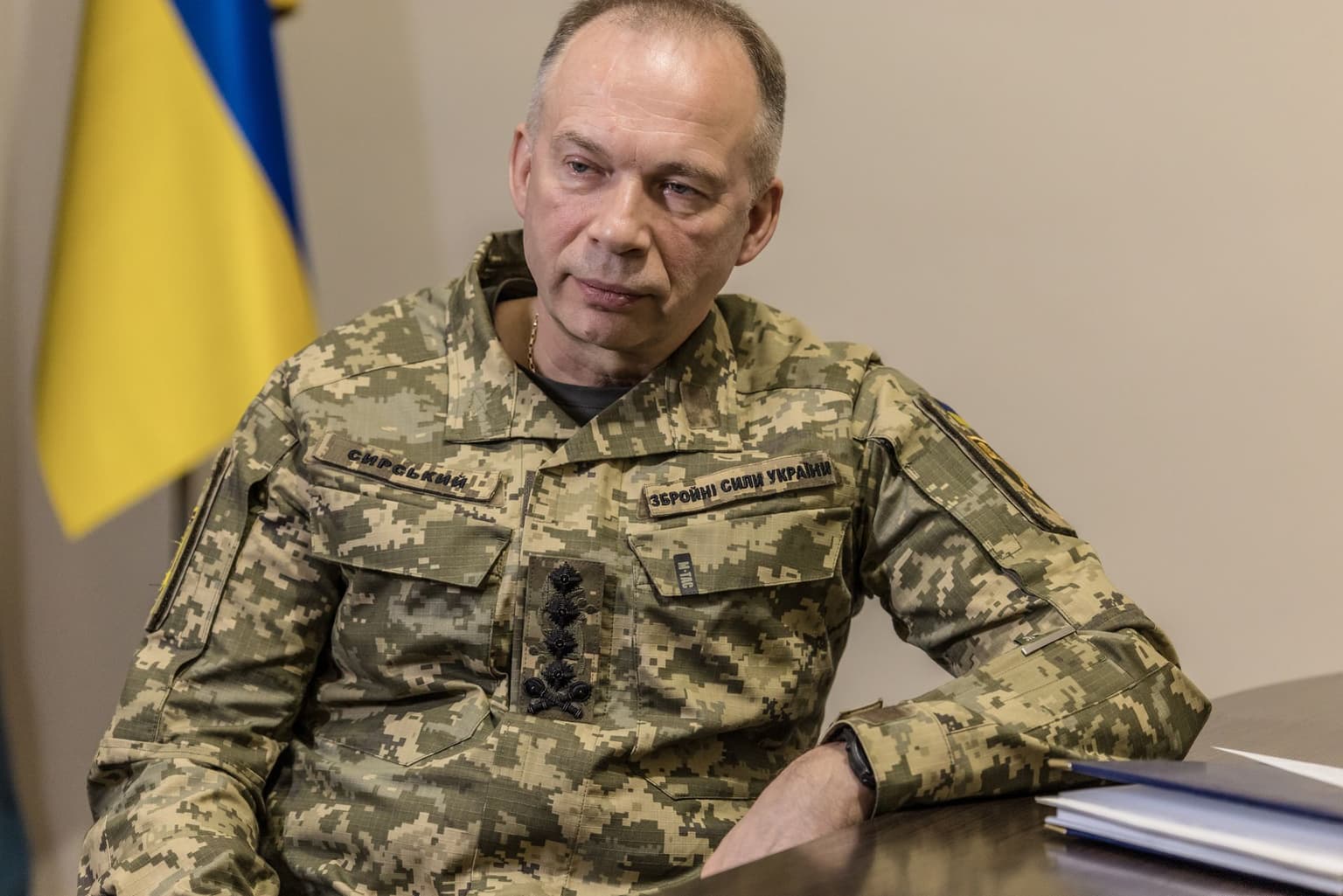
Eight Ukrainian military units have lost the right to independently conduct basic training for new recruits following inspections in May, Commander-in-Chief Oleksandr Syrskyi said on June 4.
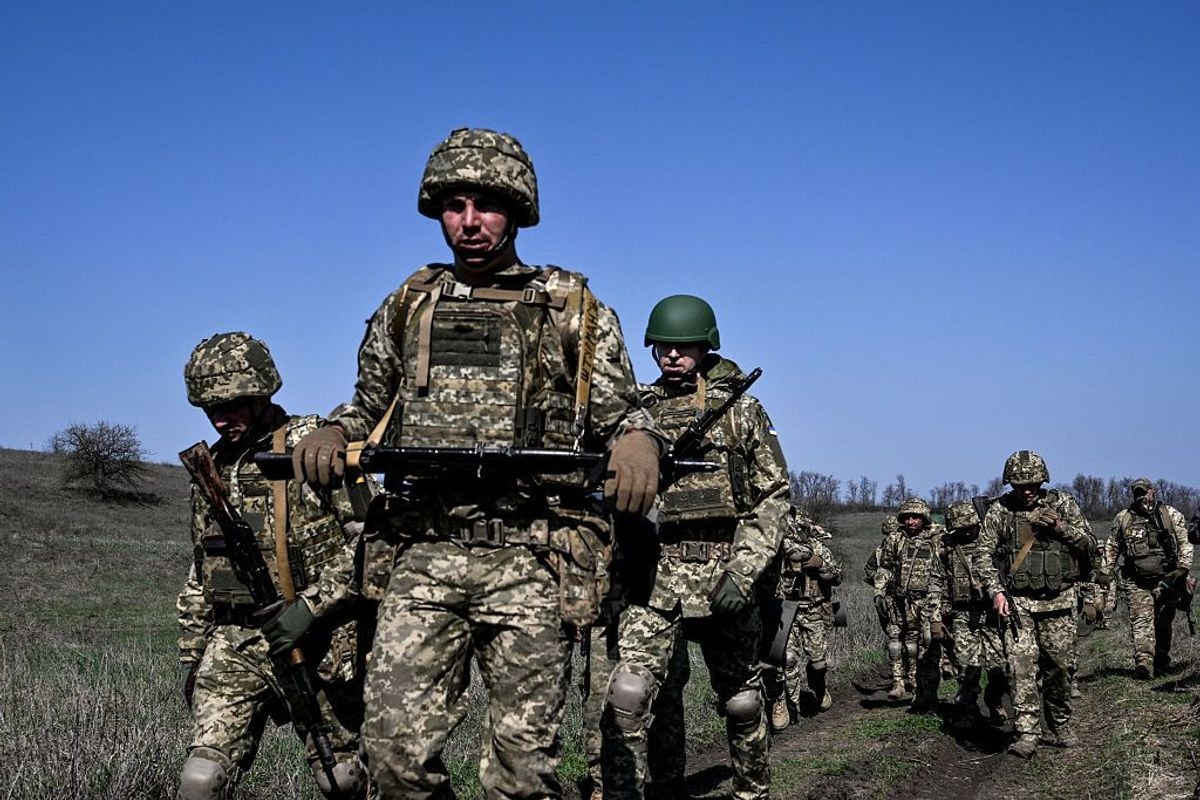
The inspections were conducted at 72 military units authorized to provide basic combined arms training at their own bases, Syrskyi said. Separate brigades and regiments were also instructed to review their capabilities and improve conditions and the curriculum for training.
"There are no untouchables," Syrskyi said. "The quality of military training must meet uniform high standards."
Syrskyi said Ukraine's military is continuing to update its basic training program to reflect the realities of the modern battlefield. The program now includes practical group exercises in detecting and destroying small drones, including copters and first-person-view (FPV) drones.
The changes follow previous efforts to overhaul military training as Ukraine faces a persistent manpower shortage and a battlefield increasingly dominated by drones.
Ukraine previously extended its basic combat course to 51 days and added modules on drone warfare, trench survival, and engineering. The military has also sought to move training underground as much as possible following a series of deadly Russian strikes on training grounds.
An April 2025 Kyiv Independent report detailed long-standing shortcomings in Ukraine's training system, with front-line commanders reporting that some new recruits arrived without basic survival skills needed for combat in a drone-heavy environment.
Syrskyi said professionalism and quality training were key to allowing Ukrainian forces to maintain an advantage over Russia despite Moscow's greater manpower resources.
He also linked training quality to commanders' treatment of troops.
"Where commanders care for their subordinates, improve living conditions, develop training facilities, and where instructors guide recruits and maintain constant feedback, the quality of training is higher and there are fewer cases of unauthorized absence from units," Syrskyi said.
Cases of soldiers going absent without leave (AWOL) have become a major challenge for Ukraine's military as it struggles to replenish infantry units after more than four years of full-scale war.
Defense Minister Mykhailo Fedorov said on Jan. 14 that around 200,000 Ukrainian soldiers were AWOL. Conflicts with commanders, exhaustion, psychological strain, resource shortages, and bureaucratic obstacles to transferring between units have contributed to Ukraine's growing AWOL and desertion crisis, according to soldiers, commanders, and other sources interviewed by the Kyiv Independent.
Syrskyi said Ukraine's military would continue to improve its basic training system, strengthen psychological training, as well as introduce additional measures aimed at preventing AWOL cases.
"Today, the lives of our soldiers and the effectiveness of combat missions depend on the quality of training," Syrskyi said.