Latvian FM Braze: Culture cannot become a shelter for those who destroy it
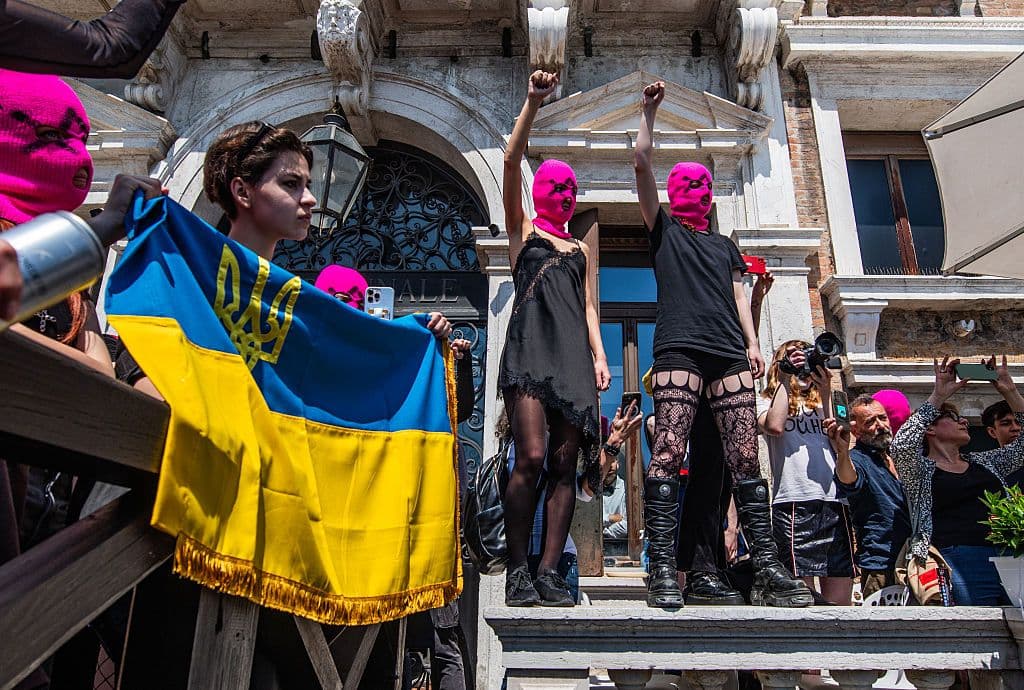
The activist group Pussy Riot protest over the readmission of Russia to the Venice Biennale on May 7, 2026 in Venice, Italy. This year is the first time Russia has been allowed at the art fair since the country's full-scale invasion of Ukraine, which prompted widespread protest, including the resignation of the fair's jury. (Simone Padovani/Getty Images)
 on Google
Baiba Braze
Latvia’s Foreign Minister
As Europe enters another cultural season, its cities once again become stages for creativity, reflection, and dialogue. Festivals open, exhibitions draw global audiences, and institutions reaffirm their commitment to freedom of expression. At the center of this landscape stands the Venice Biennale, long regarded as a symbol of artistic openness and international exchange. Yet this year, the Biennale is no longer just a celebration of culture. It has become a test of the organizers' moral clarity. As Europe celebrates culture, Venice has Russia celebrating ethnic cleansing.
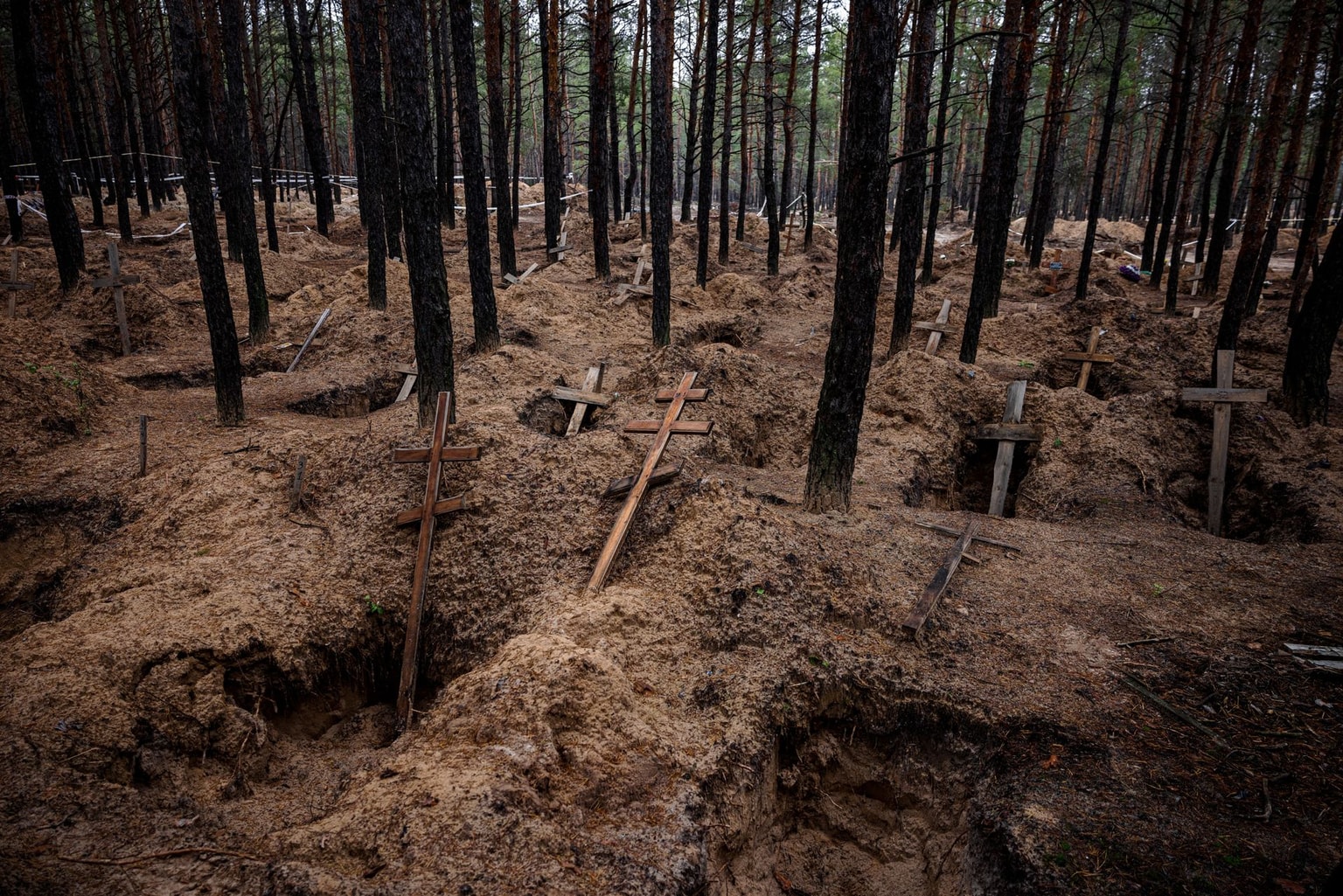
This is not an exaggeration. It reflects a reality that Europe has been confronting for more than four years. Since the start of Russia's war of aggression, the destruction of culture has been deliberate and systematic. Museums, churches, and cultural landmarks — including UNESCO World Heritage sites such as the Historic Center of Lviv — have been deliberately targeted. Ukrainian language, identity, and cultural life have been attacked as part of a broader strategy to erase a nation. Artists, writers, and cultural figures have been killed. This is what ethnic cleansing looks like in the 21st century — not only through territory, but through memory and identity.
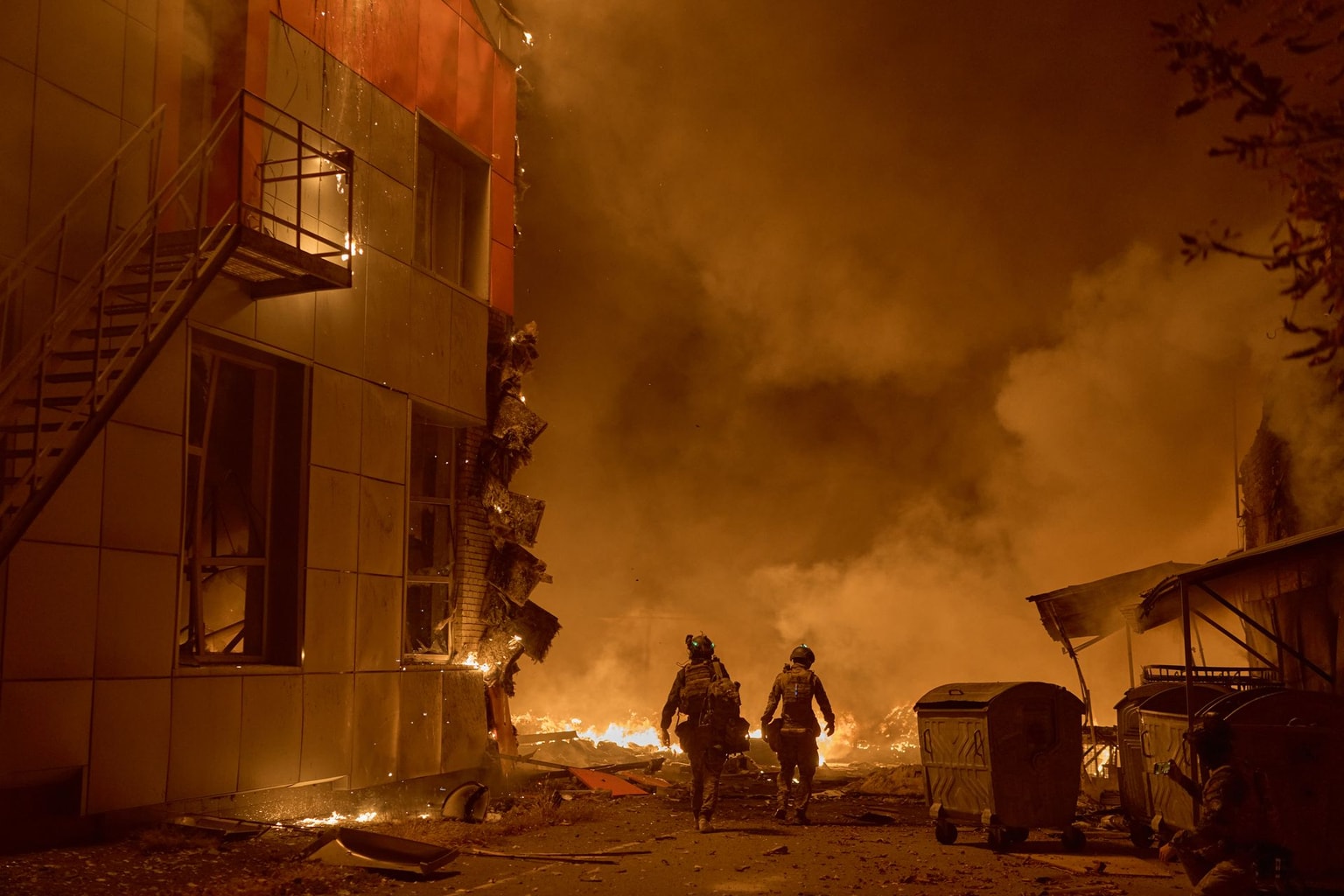
At the same time, Russia has not altered its course. Over recent months, it has intensified attacks against civilians. And yet, parallel to this escalation, Russia is attempting something else — a gradual return to business as usual in international life. Not through accountability, but through visibility. Not by ending aggression, but by reappearing in global cultural, sporting, and diplomatic arenas as if nothing had changed. The Venice Biennale has now become part of that strategy.
As the Biennale officially opens on May 9 and we all celebrate Europe Day, the Russian pavilion may not feature in the official opening programme. Even if it is silent now, it has already used the preview days, from May 5 to 8, to stage a full programme of performances and appearances.
This contradiction is striking — exclusion in form, but visibility in practice.

At the political level, tensions have continued to escalate. The European Commission has moved to suspend funding to the Biennale and warned that organizers may have breached EU sanctions against Russia, elevating the issue from political controversy to a matter of legal compliance.
Italian political leaders have also considered boycotting the opening ceremony, reflecting growing unease even within the host country. Russia, for its part, has reacted with predictable hostility, accusing Europe of discrimination while ignoring the underlying cause: its own war of aggression.
From Latvia's perspective, the issue leaves no room for doubt. Since February 2022, we have pursued a consistent policy of maximum pressure against the aggressor state. Russia's participation in international platforms grounded in cooperation, peace, and human rights directly contradicts those principles. From the earliest indications that Russia might take part in the Biennale, Latvia has worked with partners across Europe to prevent it. We have called for sanctions against individuals responsible for organizing the Russian pavilion. We have taken national measures, including declaring key figures linked to the pavilion persona non grata. We continue to engage with partners to ensure a coordinated European response.
This is not about culture in isolation. It is about the integrity of the rules and values that underpin Europe's security and political order. Providing Russia with a platform risks conveying a false message: that its aggression can be separated from its international presence, that its actions can be brushed aside and eventually forgotten.
Arguments about artistic neutrality cannot withstand scrutiny in this context. There is no neutrality in the face of systematic destruction. When culture itself is targeted, when identity is under attack, when war crimes are ongoing, the idea that art can exist in a separate, apolitical sphere simply does not hold. More importantly, Russia does not treat culture as neutral. It uses it deliberately as an instrument of state policy, a means of projecting influence and legitimacy abroad.
The response from within the cultural community has made this clear. Artists, curators, and participants have raised their voices in protest. During the preview days, Ukrainian activists from Femen and members of Pussy Riot staged joint protests alongside Baltic artists and others, highlighting a growing refusal within the art world to accept the normalization of Russia's presence.
Among them is the Latvian-led action "Death in Venice," centered on a visual work by Latvian artist Kriss Salmanis, a stark reminder that behind the language of exhibitions and installations lies a very different reality – one of violence, loss, and destruction. The action does not seek to censor art. It seeks to expose the contradiction of celebrating culture while ignoring its annihilation.
The Venice Biennale has always reflected the world around it. This year, it reflects a world in which principles are being tested. It reflects a Europe that must decide whether its commitment to values is situational or absolute. Russia's presence is not an isolated anomaly. It is part of a broader pattern in which a terrorist state probes the limits of tolerance, seeking gradual re-entry into international life without changing its behavior.
Europe cannot afford to misread this moment. The question is not whether culture should remain open. The question is whether openness can exist without accountability. A platform that allows the normalization of aggression ceases to be neutral. It becomes complicit.
On Europe Day, when Europe affirms its commitment to freedom, peace, and human rights, Venice must decide what it is truly celebrating. Because if it allows aggressors to stand alongside those who defend freedom, it risks turning one of its greatest cultural institutions into a stage for something else entirely.
Culture cannot become a shelter for those who destroy it.