Ukraine war latest: Another Russian warship in flames as drones strike Baltic Fleet base
 on Google
Editor's note: Got an opinion on anything you've read in the Kyiv Independent so far? Send it to letters@kyivindependent.com, and it may appear in our Letters section.
Key developments on June 3:
- Another Russian warship in flames as drones strike Baltic Fleet base
- Fire, smoke greet Putin's Economic Forum as Ukraine strikes St. Petersburg oil terminal
- NATO chief arrives in Kyiv day after mass Russian strike
- Russian weapons plant in flames after Ukrainian attack in Tambov Oblast
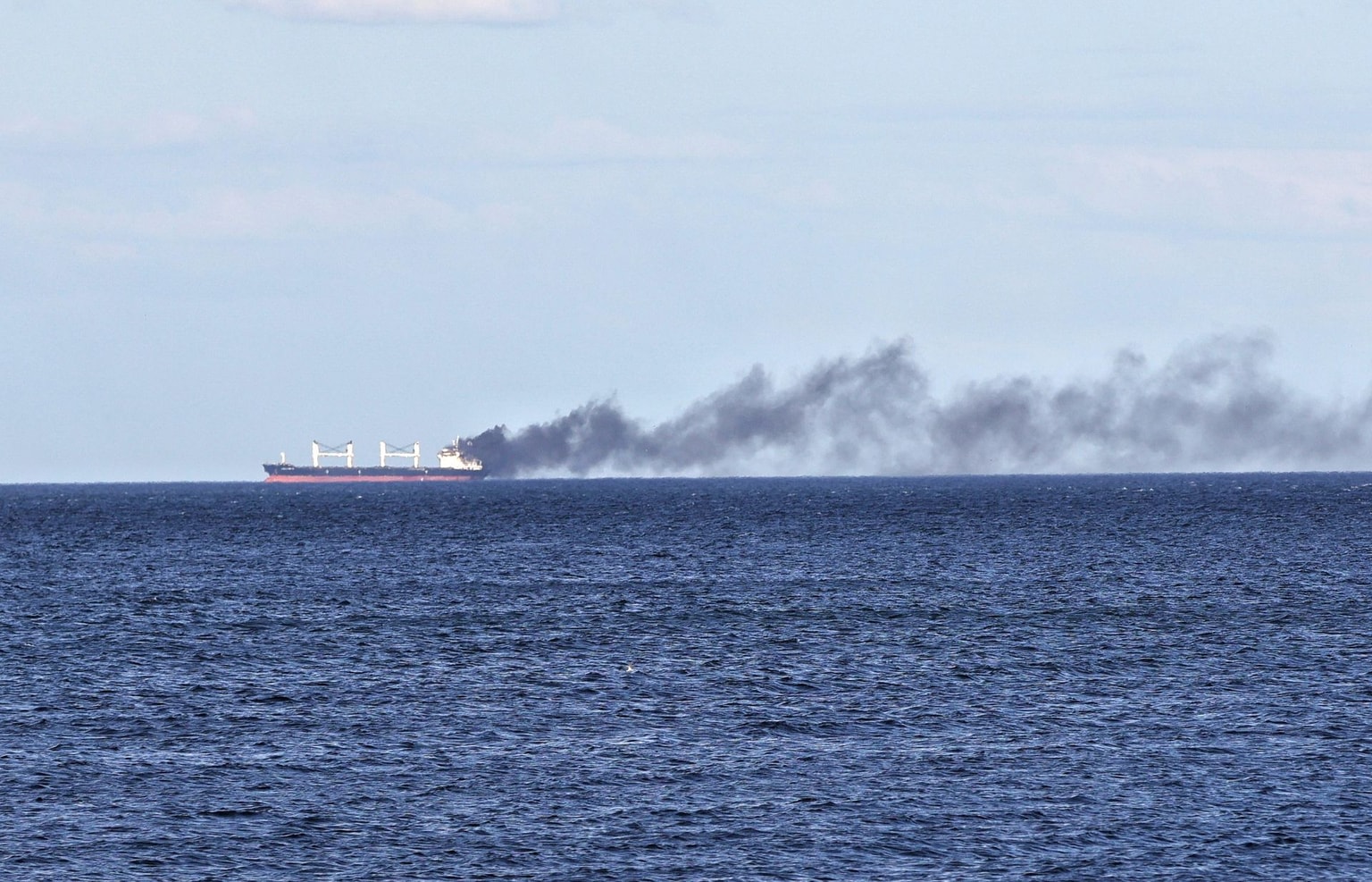
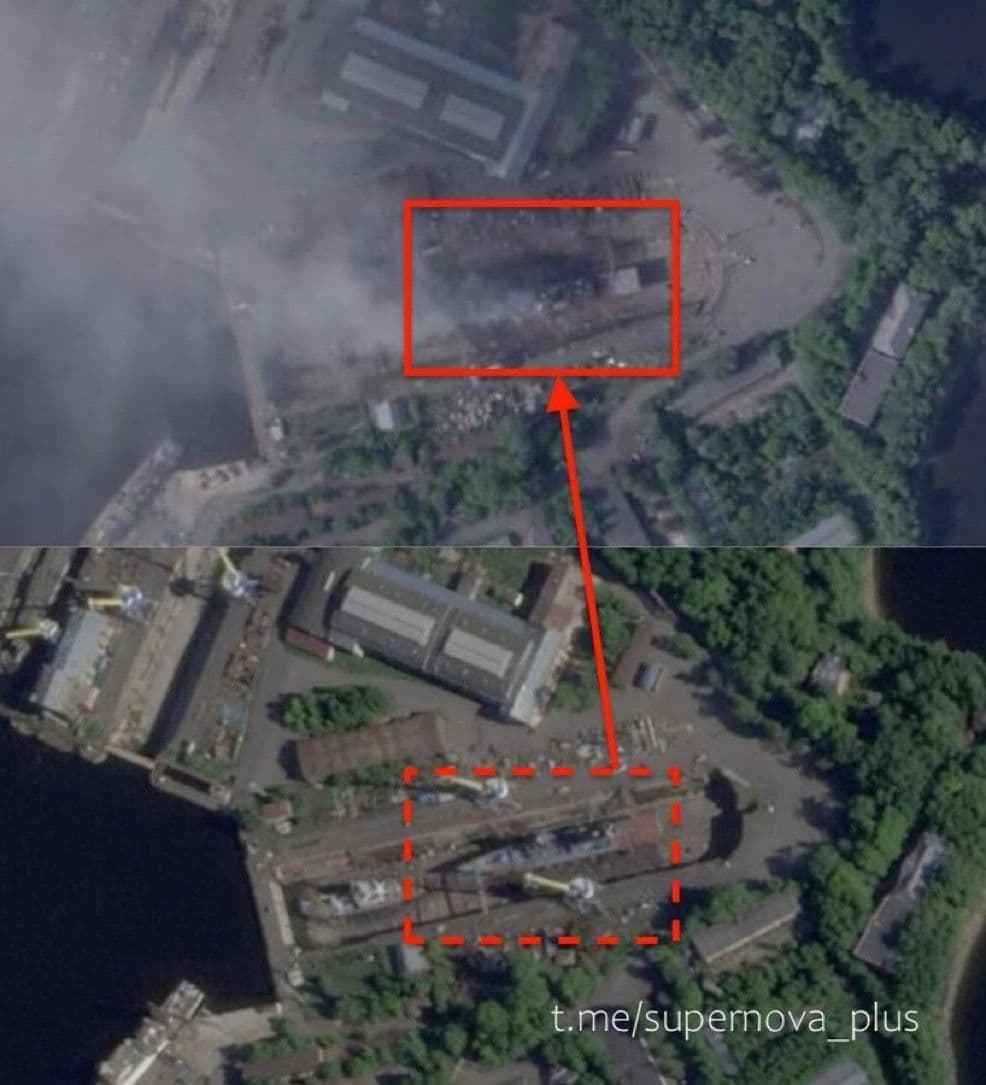
Ukraine's Unmanned Systems Forces (USF) hit a Russian warship armed with missiles at the Kronstadt naval base in Russia's Leningrad Oblast on June 3, USF Commander Robert "Magyar" Brovdi said.
Brovdi wrote on Telegram that USF drones "tracked down and set fire" to the corvette Boikyi, which is armed with guided missiles.
"(The ship) has a fascinating history of journeys and adventures along NATO's borders. It accompanied the shadow oil fleet – a real workhorse," Brovdi said.
The Boikyi reportedly escorted oil tankers from Russia's shadow fleet through the English Channel in 2025.
President Volodymyr Zelensky and Ukraine's General Staff also confirmed earlier on June 3 that military targets at the Kronstadt base had hit alongside other targets inside Russia and Russian-occupied Ukraine.
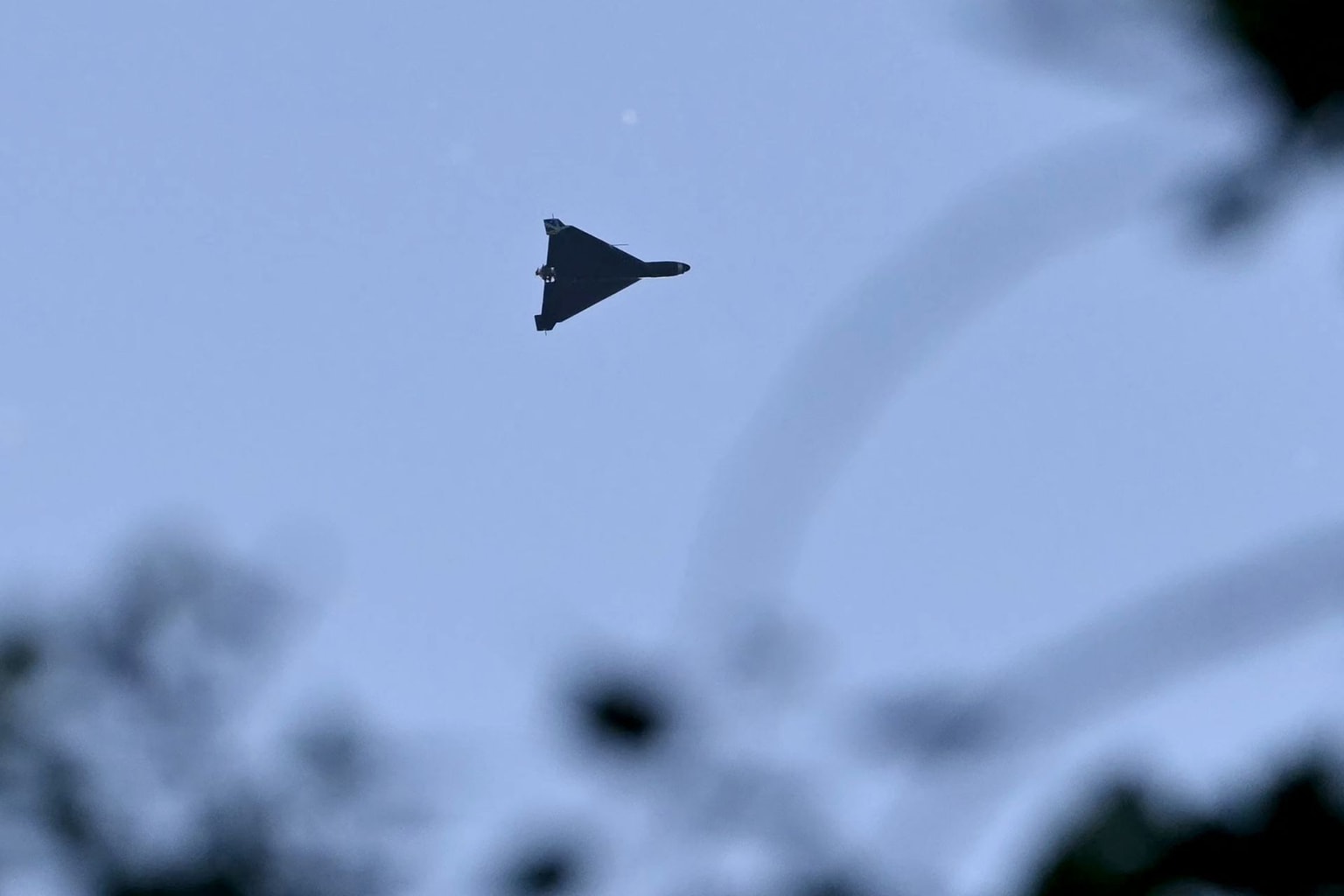
Leningrad Oblast Governor Aleksandr Drozdenko reported that 50 drones were shot down over the region on June 3.
The Kronstadt base is located west of St. Petersburg, where overnight on June 3, Ukraine struck St. Petersburg Oil Terminal ahead of the 2026 St. Petersburg International Economic Forum, an annual conference of business leaders and government officials hosted by Russian President Vladimir Putin.
read also
Fire, smoke greet Putin's Economic Forum as Ukraine strikes St. Petersburg oil terminal
Black smoke hung over St. Petersburg on the morning of June 3 as the first delegates arrived for Russia's flagship economic forum. Ukraine had been busy in the night.
President Volodymyr Zelensky confirmed that Ukrainian forces struck the St. Petersburg Oil Terminal in Russia's Leningrad Oblast in the early hours of June 3. The attack unfolded as dignitaries arrived for the 2026 St. Petersburg International Economic Forum, an annual conference of business leaders and government officials hosted by Russian President Vladimir Putin.
Zelensky wrote on X on June 3 that "important facilities on Russian territory were hit," including the St. Petersburg Oil Terminal, located 1,100 kilometers (about 684 miles) from Ukraine's border.
The oil terminal, located on the Gulf of Finland at the city's Great Port of St. Petersburg, is one of Russia's largest fuel storage and export facilities. It receives and ships petroleum products by river, rail, and motor transit, and boasts a reported throughput of 12.5 million tons per year.
The Security Service of Ukraine, the Unmanned Systems Forces, the Special Operations Forces, the Defense Intelligence of Ukraine, and the State Border Guard Service of Ukraine were involved in the operations.
John Foreman, Former U.K. Defense Attaché to Moscow and Kyiv, told the Kyiv Independent that "It is exceptionally humiliating for (Vladimir) Putin's home city to be attacked on the opening day of St. Petersburg International Economic Forum."
"Instead of being able to project a narrative of inevitable victory and strength, the opposite is true and won't be lost on attendees," Foreman said.
Foreman added that the strike follows "a series of humiliations" for Putin, including the subdued Victory Day parade in Moscow, reported fuel shortages in occupied Crimea caused by Ukraine's strikes, as well as continued Ukrainian drone strikes across Russia.
"Putin owns these himself. By his personal identification with his war, any humiliations smack him in the face."
NATO chief arrives in Kyiv day after mass Russian strike
NATO Secretary General Mark Rutte arrived in Kyiv on June 3 for a previously unannounced official visit, Ukraine's state railway monopoly Ukrzaliznytsia said.
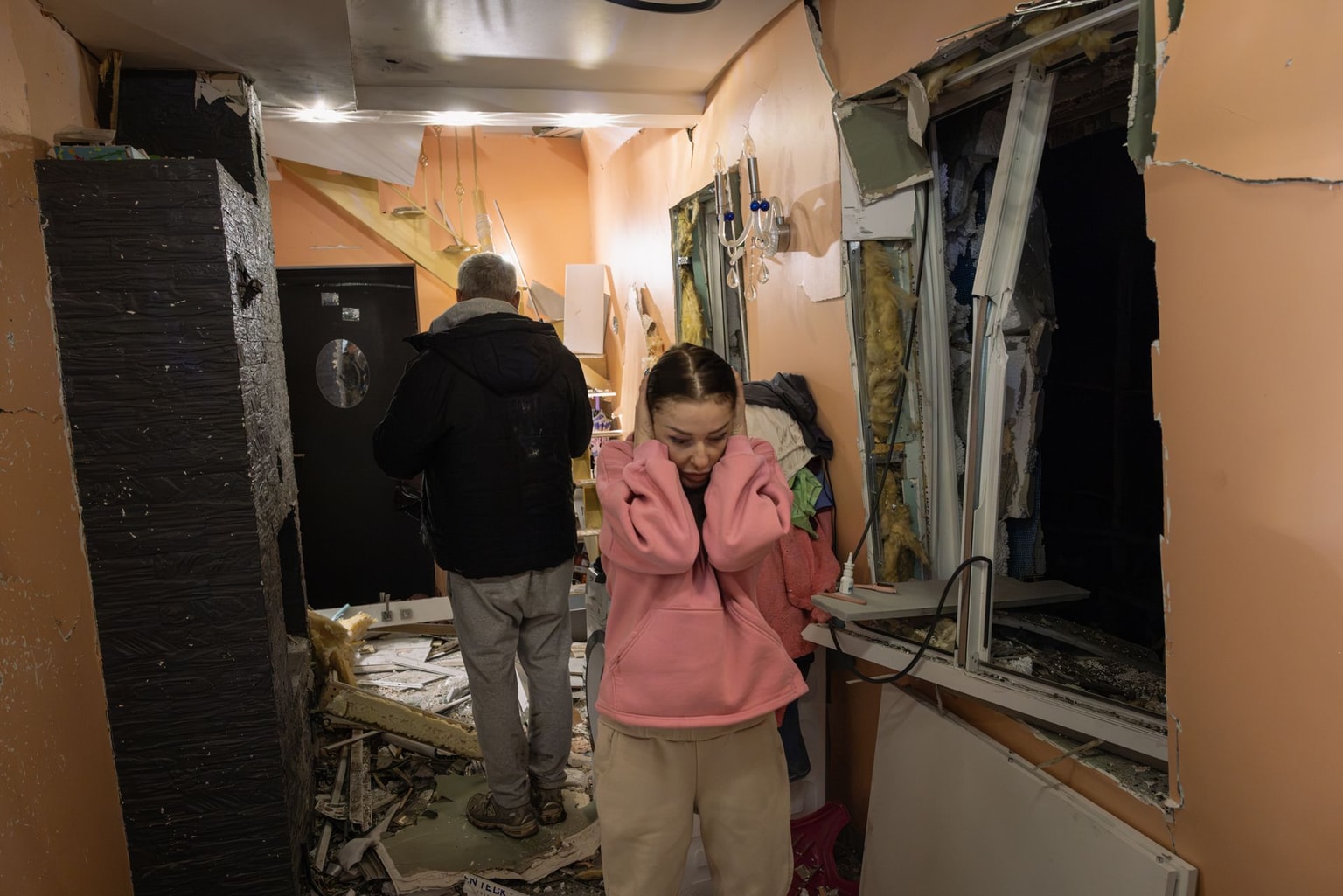
The visit comes only a day after one of Russia's heaviest attacks killed over 20 people and injured over 100 across Ukraine.
"Today, at the Kyiv railway station, we gladly welcome NATO Secretary General Mark Rutte, the railway company said on Telegram. "This visit is extremely important, like all previous ones, as it is a gesture of solidarity and support by the alliance for our country."
Speaking alongside Zelensky later in the day, Rutte referenced Russia's deadly mass missile attack on Ukraine overnight on June 2, saying Moscow's "recklessness is not new."
"But as Ukraine continues to stand strong, to innovate and to make battlefield gains, Russia is increasingly desperate," he added.
Russian weapons plant in flames after Ukrainian attack in Tambov Oblast
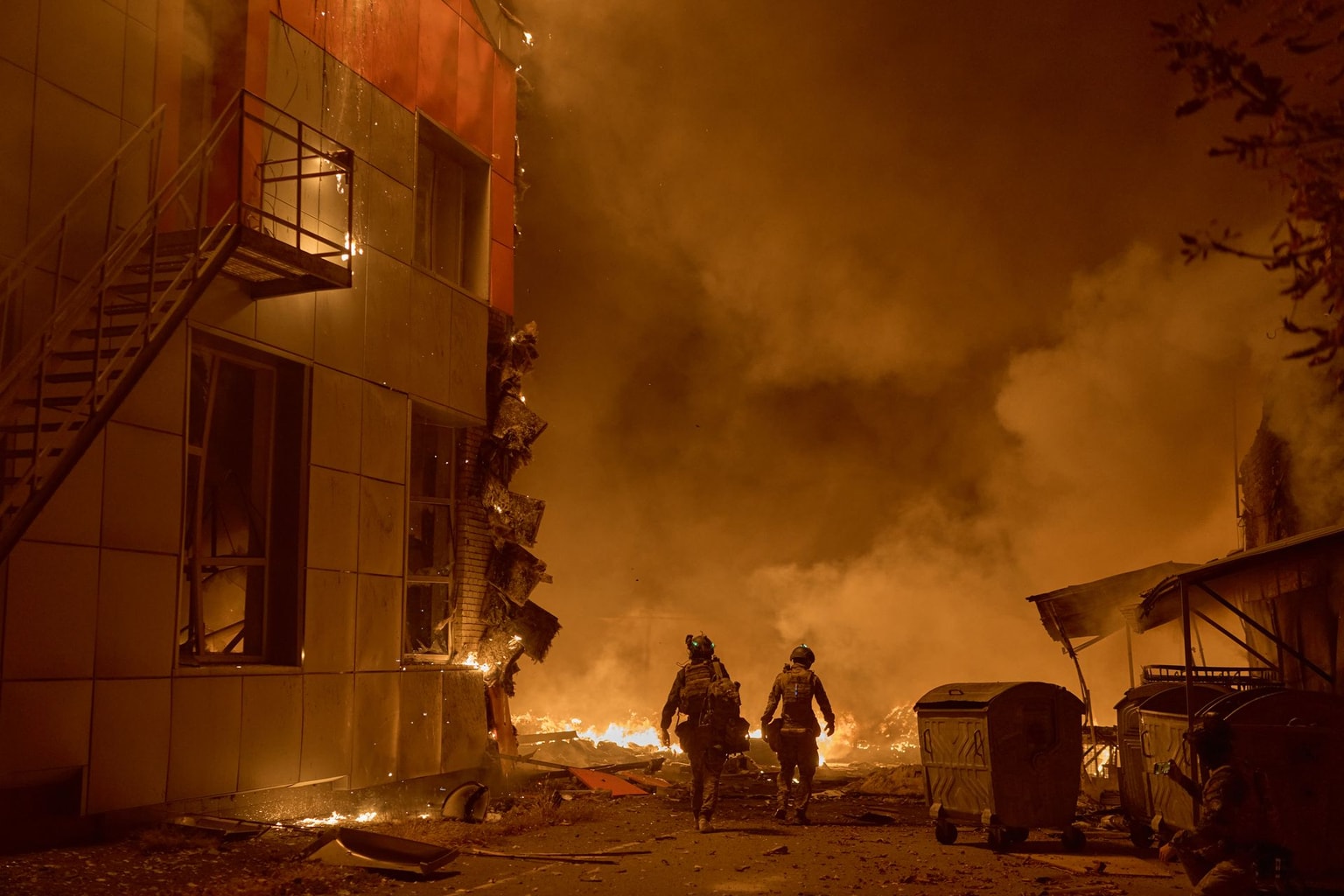
Fires blazed at a Russian military plant in Michurinsk, Tambov Oblast, after a reported drone attack overnight on June 3, according to footage and photographs posted by local residents to social media.
The attack targeted the JSC Progress Plant, a Russian defense factory producing high-tech aviation and missile control systems, along with equipment for gas and oil pipelines. According to open-source analysis and geolocation by the independent Russian Telegram news channel Astra, the strike caused a fire on the grounds of the facility.
Eyewitnesses posted photos and videos depicting air defenses operating in Tambov Oblast, as well as explosions and flames at the Progress Plant.
Local authorities have not yet commented on the reported attack. The Kyiv Independent could not independently verify the reports at the time of publication.