Why Ukraine is talking about ending 'hot phase' of Russia's war before winter
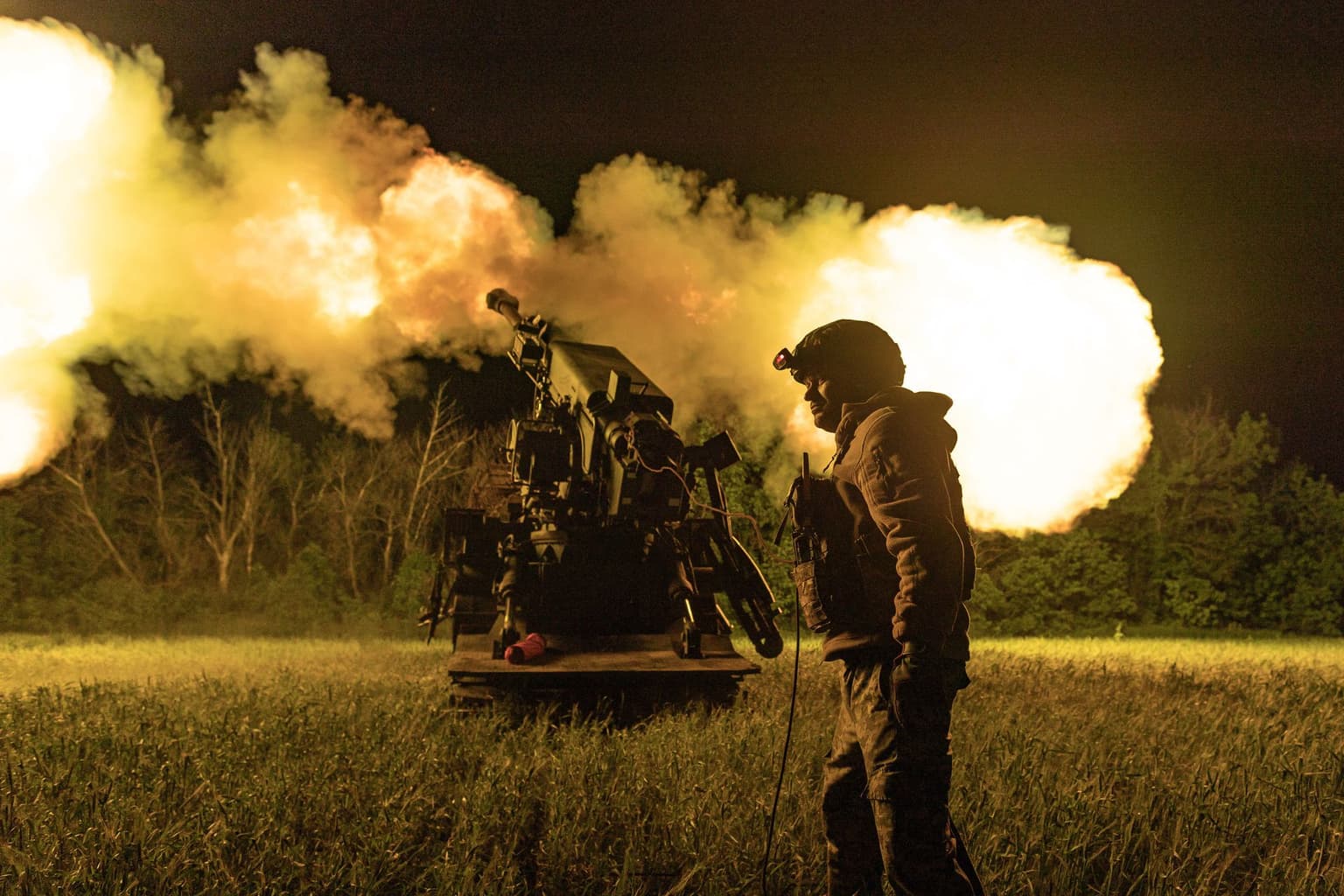
Ukrainian soldiers from the 30th Brigade fire a Bohdana self-propelled howitzer at Russian positions in Donetsk Oblast, Ukraine, on May 31, 2026. (Diego Herrera Carcedo / Anadolu / Getty Images)
 on Google
Kyiv hopes U.S.-mediated peace talks with Moscow could yield results before winter as Ukrainian officials grow concerned about shortages of anti-missile systems and signs Russia may be preparing a new mobilization.
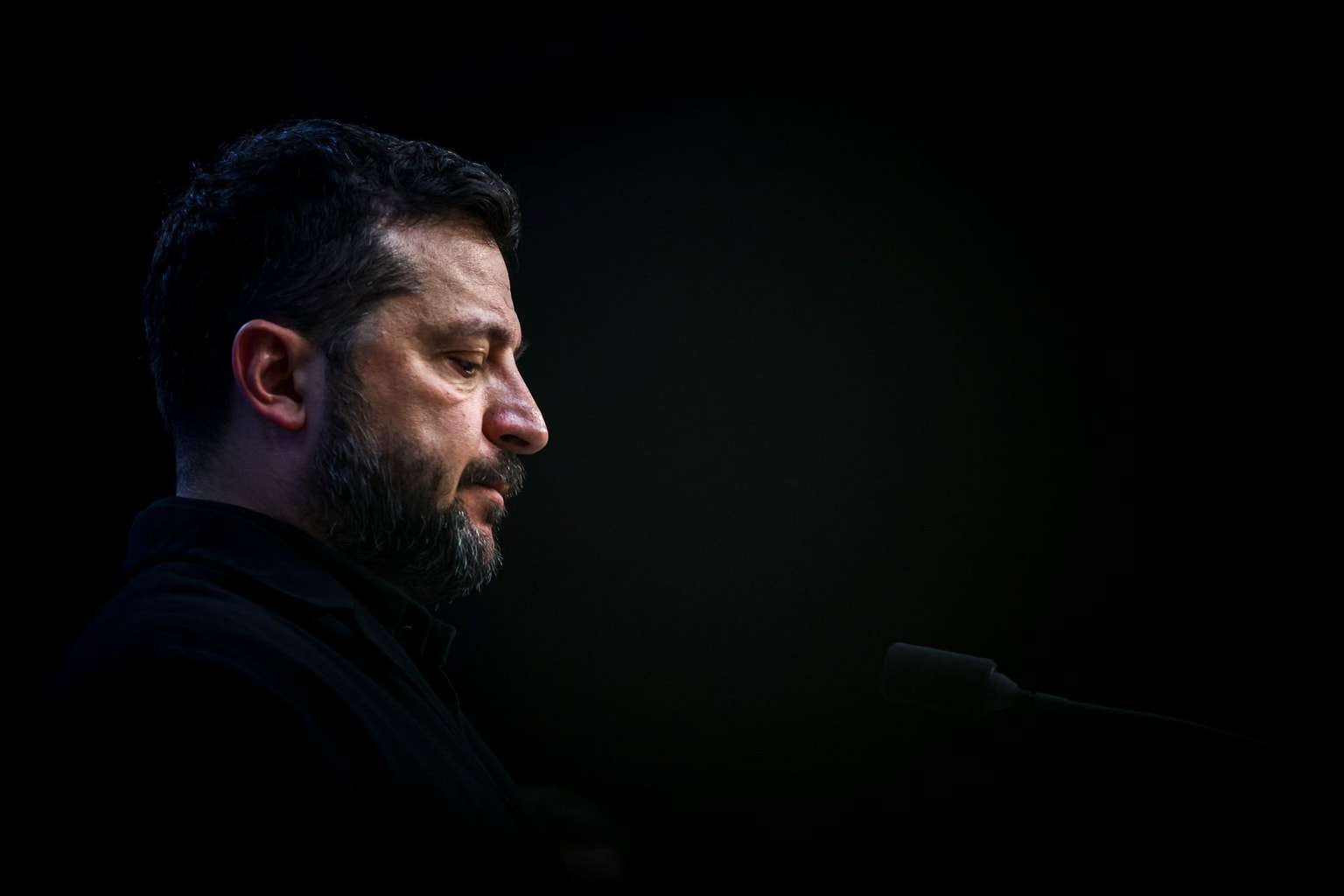
President Volodymyr Zelensky told lawmakers from his Servant of the People party in late May that Kyiv sees what he described as a realistic opportunity to end the war, according to two people familiar with the matter.
Head of Zelensky's office, Kyrylo Budanov, later publicly echoed that assessment, saying it was realistic to end Russia's war against Ukraine before winter 2026. And although Budanov has a history of making optimistic predictions about the war that have not materialized, this time, his remarks come amid more encouraging circumstances.
Lately, both expert analysis and public debate increasingly suggest the tide of the war is turning in Ukraine's favor.
Russian offensives have stalled, Ukrainian long-range strikes are intensifying and expanding deeper into Russia, and Moscow has failed to achieve the battlefield breakthroughs it promised.
But officials speaking to the Kyiv Independent describe a far more complicated picture they see behind closed doors.
As Ukraine gains ground, air defense shortage curbs optimism
U.S.-mediated peace talks have effectively been frozen since February.
Since then, Washington has been consumed by its war with Iran, which both Ukrainian and U.S. officials say became the main reason talks lost momentum.
On the battlefield, meanwhile, developments appear to favor Ukraine.
In May, Ukraine liberated more territory than Russia captured — marking the first time since 2023 this happened, according to Ukrainian monitoring group DeepState.
The shift reflects months of gradual changes along the front.
Russian advances have underperformed compared with previous campaigns, while Ukraine has slowly begun creating conditions for localized counterattacks and expanding its deep-strike campaign against targets inside Russia.

Moscow has failed to generate momentum during its spring offensive and has been unable to seize territory on a scale comparable to previous years.
Those developments have fueled growing optimism among military observers.
Still, Ukrainian officials say the positive headlines obscure vulnerabilities that could become far more serious in the months ahead.
One of the clearest public signs of those concerns emerged when Zelensky sent a letter to U.S. President Donald Trump warning about Ukraine's worsening shortage of air defense systems, particularly anti-ballistic missile capabilities.
"(The letter) is related to the strikes on Kyiv, Russia's plans for further strikes, and the fact that it's currently difficult to obtain supplies," one Ukrainian official, who was granted anonymity to discuss sensitive matters, said.
"Air defense is simply a daily necessity; with anti-ballistic defense it's really difficult... so we've reached the point where we've written the letter."
There has been no public reaction from Trump, and the White House declined to say whether the U.S. president had received the letter.
Zelensky's adviser, Dmytro Lytvyn, told reporters on June 4 that Kyiv had received a reply from Trump, but declined to disclose the content of the response.
"It's a technical matter, so we won't go into the details," Lytvyn said.
Zelensky's plea to Trump comes as Russia intensifies attacks on the Ukrainian capital.


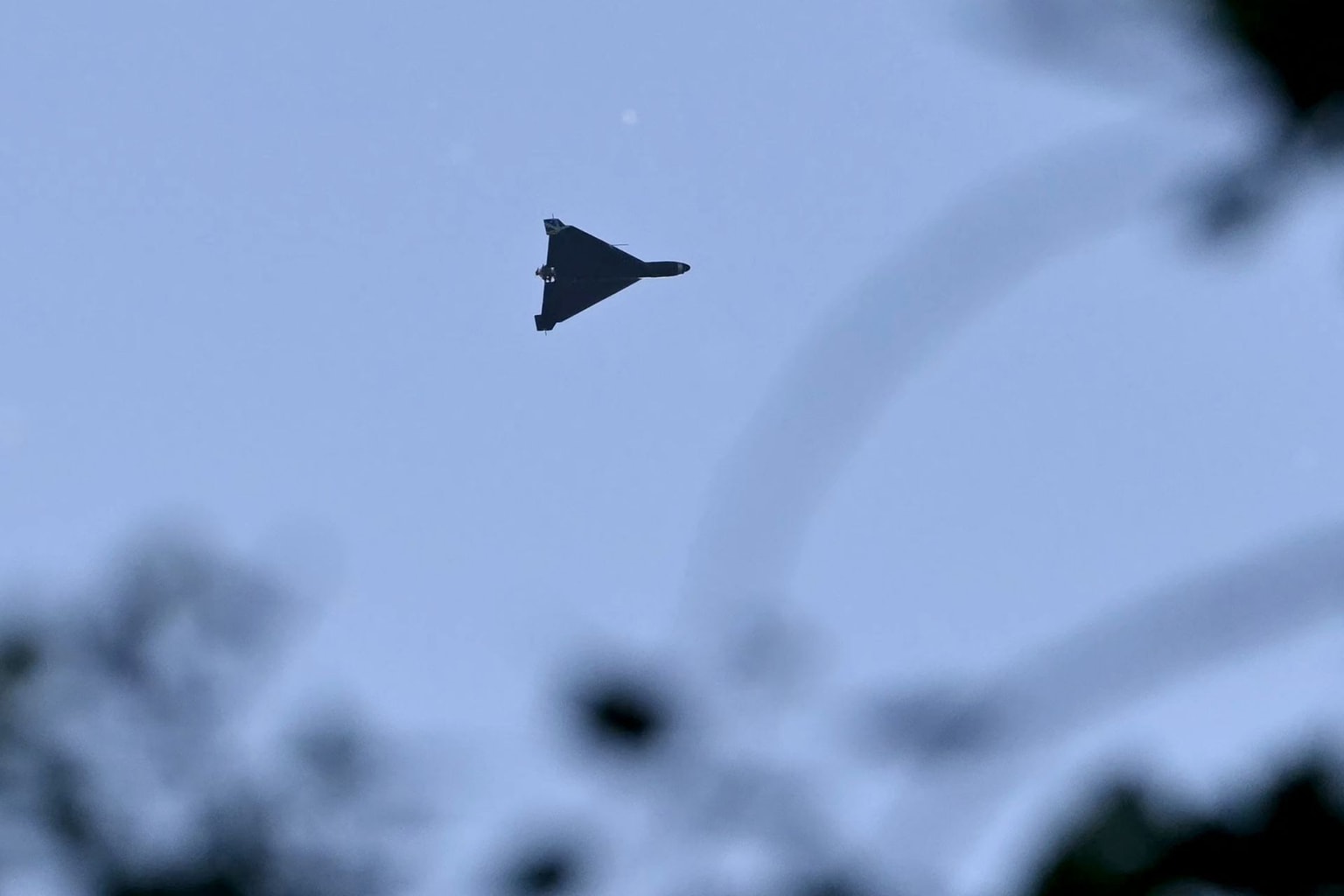
Russia launched one of the largest aerial assaults of the full-scale war overnight on June 2, targeting multiple Ukrainian cities, including Kyiv, with missiles and drones. Across the country, at least 23 people, including two children, were killed.
A week earlier, on May 24, Moscow carried out an even larger missile and drone attack primarily targeting Kyiv and the surrounding region. More than 100 people were injured, with damage reported in every district of the capital.
Both attacks featured dozens of missiles of various types, a challenge for Ukraine's air defenses.
According to a top government official familiar with the matter, some Patriot batteries are operating with critically low stocks of interceptors because Kyiv continues to face difficulties obtaining supplies of U.S.-made missiles.
Zelensky's letter highlights broader concerns about the Prioritized Ukraine Requirements List (PURL), a mechanism that allows NATO allies to finance purchases of U.S. weapons for Ukraine.
"The current pace of deliveries through the PURL program is no longer keeping up with the reality of the threat we face," the letter says.
According to one person familiar with the matter, the issue is not a lack of funding from allies but rather the pace of deliveries and the difficulties in obtaining PAC-3 Patriot interceptors, essential for defending Kyiv against ballistic missiles.
Growing fears of another Russian mobilization
At the same time, Ukrainian officials are increasingly focused on another possibility — that the Kremlin could decide to launch a new mobilization campaign.
Russian President Vladimir Putin announced a "partial mobilization" in September 2022, marking Russia's first mass military call-up since World War II.
The campaign exposed serious dysfunction inside the state, with reports of administrative chaos and hundreds of thousands of Russians fleeing the country.
Although the Kremlin later declared the mobilization complete, no presidential decree officially ended it.
But to avoid social unrest, Moscow has relied heavily on financial incentives and recruitment drives, offering lucrative contracts to volunteers willing to join the military.
Ukrainian officials believe that the model may be reaching its limits. What they describe as one of the clearest warning signs is that recruitment no longer appears sufficient to compensate for Russian losses.
Zelensky said on May 27 that the Russian leadership has ordered the "additional mobilization" of tens of thousands of people to make up for losses on the front lines.

"We are receiving more and more internal Russian information about preparations for additional mobilization in (Russia)," he said.
Reports have also emerged of Russian citizens receiving mobilization notices while visiting military registration offices for routine verification procedures, as well as through electronic summons systems.
Zelensky linked those developments to what he described as a "further increase in mobilization" in Russia, without providing details.
When asked to summarize Ukraine's current position, one senior official offered a blunt assessment.
"That idiot is stepping up mobilization, and we need (air defense) missiles... so it's not so great," the official told the Kyiv Independent.
Why Kyiv sees an opportunity
Paradoxically, many Ukrainian officials believe these concerns are exactly what make the current moment one of the best opportunities for diplomacy.
Zelensky met members of his parliamentary group on May 25 and said that "the possibility of ending the 'hot phase' of the war by November is being considered, provided that security guarantees are given" to Ukraine.
"He said it in a very measured way… that perhaps some results may emerge in the autumn," one of the attendees told the Kyiv Independent.
Behind that assessment lies another important factor — the U.S. midterm elections scheduled for November.
Trump's confrontation with Iran has created a headache for the White House just months before the elections. Kyiv believes Washington is increasingly interested in securing a diplomatic achievement elsewhere.
"By the time of their election, things here need to be quiet in Ukraine, and they want to sell this plan to Russia, but we want to get involved in a way that ensures our security," a senior Ukrainian official told the Kyiv Independent.
Two U.S. officials familiar with the matter confirmed to the Kyiv Independent that Washington plans another push to end Russia's full-scale invasion.
At the same time, Ukraine's improved battlefield position has strengthened Kyiv's negotiating leverage.
According to two officials, Zelensky has conveyed to Washington that the current moment may be the best opportunity to push for a ceasefire.
The window, however, may not remain open for long.
Another winter is expected to bring renewed Russian attacks on Ukraine's energy infrastructure, while the country's air defense shortages remain unresolved.
There are also signs that Moscow may be reconsidering its approach.
In May, Kremlin spokesperson Dmitry Peskov said Russia hoped the peace talks would resume, marking a shift after months of rhetoric suggesting they were not a priority.
Still, the biggest obstacle remains Russia's maximalist demands.
Ukraine maintains that freezing the current front line represents the most realistic basis for a ceasefire.

Russia, meanwhile, continues to insist that Ukrainian forces withdraw from parts of Donbas still under Kyiv's control without fighting — a demand Ukraine has rejected.
Moscow has argued that if Ukraine refuses to withdraw voluntarily, Russian forces will seize the territory by force.
Yet Russia has repeatedly pushed back its own deadlines for capturing Donbas.
Ukraine's military intelligence said in April that Moscow now aims to occupy the region by September.
Previously, Russian officials had communicated plans to capture Donbas by the end of 2025 to both the White House and Trump. Despite sustained offensives, Russian forces have failed to achieve a breakthrough.
Current trends suggest the latest offensive may again fall short of its objectives.
For Kyiv, that creates a rare convergence of factors: Russian offensives struggling to deliver results, growing pressure on Moscow's manpower, expanding strikes deep inside Russia, and renewed U.S. interest in securing a ceasefire.
Whether that is enough to force a pause in fighting remains uncertain.
But Ukrainian officials increasingly believe the coming months may offer an opportunity that does not come twice.
"It looks like now is the best chance to get (Russia) to put an end to all this," one Ukrainian official said.
Editor's note: Got an opinion on anything you've read in the Kyiv Independent so far? Send it to letters@kyivindependent.com, and it may appear in our Letters section.
Note from the author:
Hi, this is Tim Zadorozhnyy, the author of this article.
From our newsroom in Ukraine, we report on the issues that matter to a global audience. Independent journalism is only possible with reader support. If you value our work, please consider supporting us — it makes a real difference.