A Ukrainian child's bedroom goes on tour to confront Europe with Russia's abductions
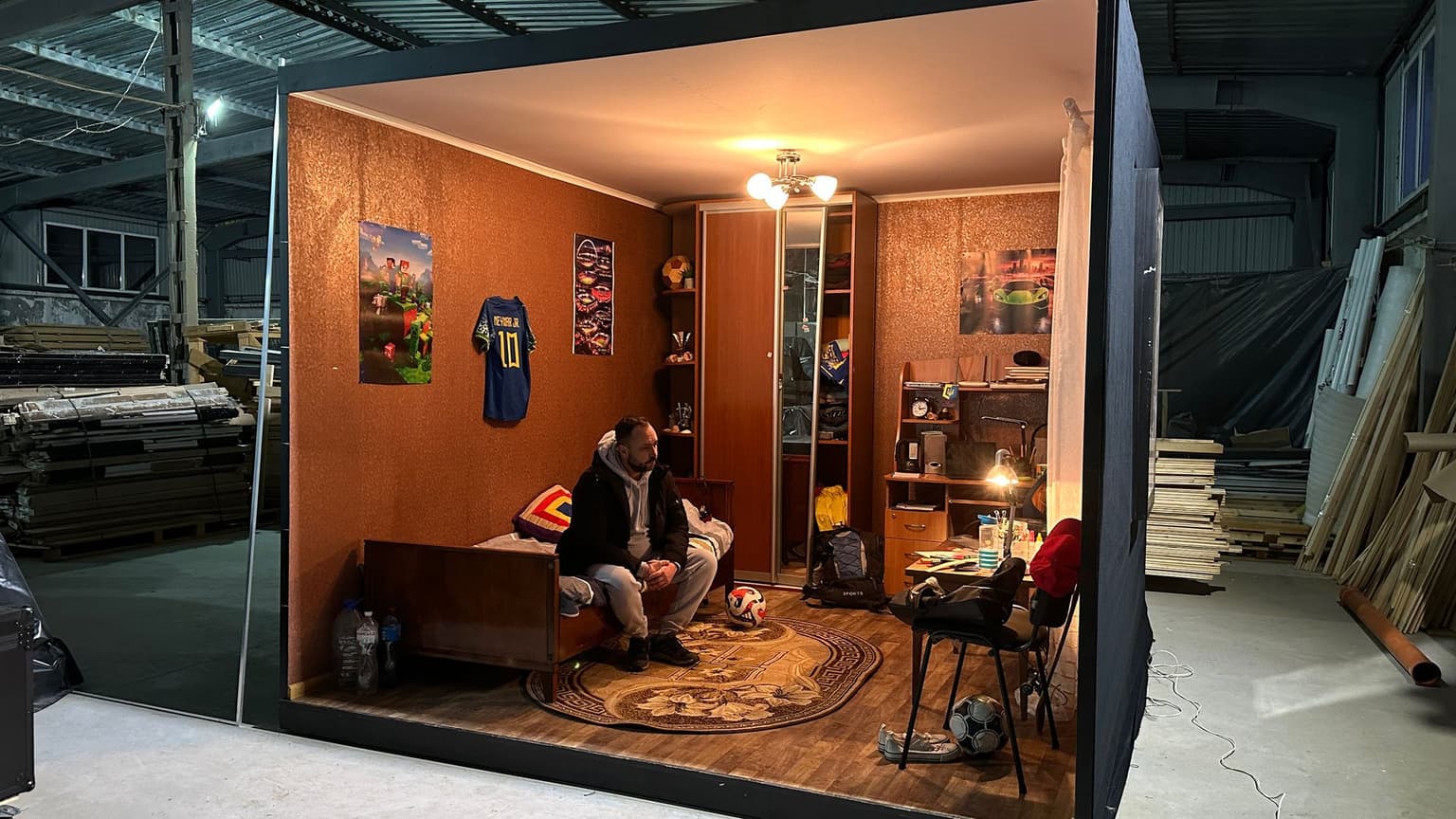
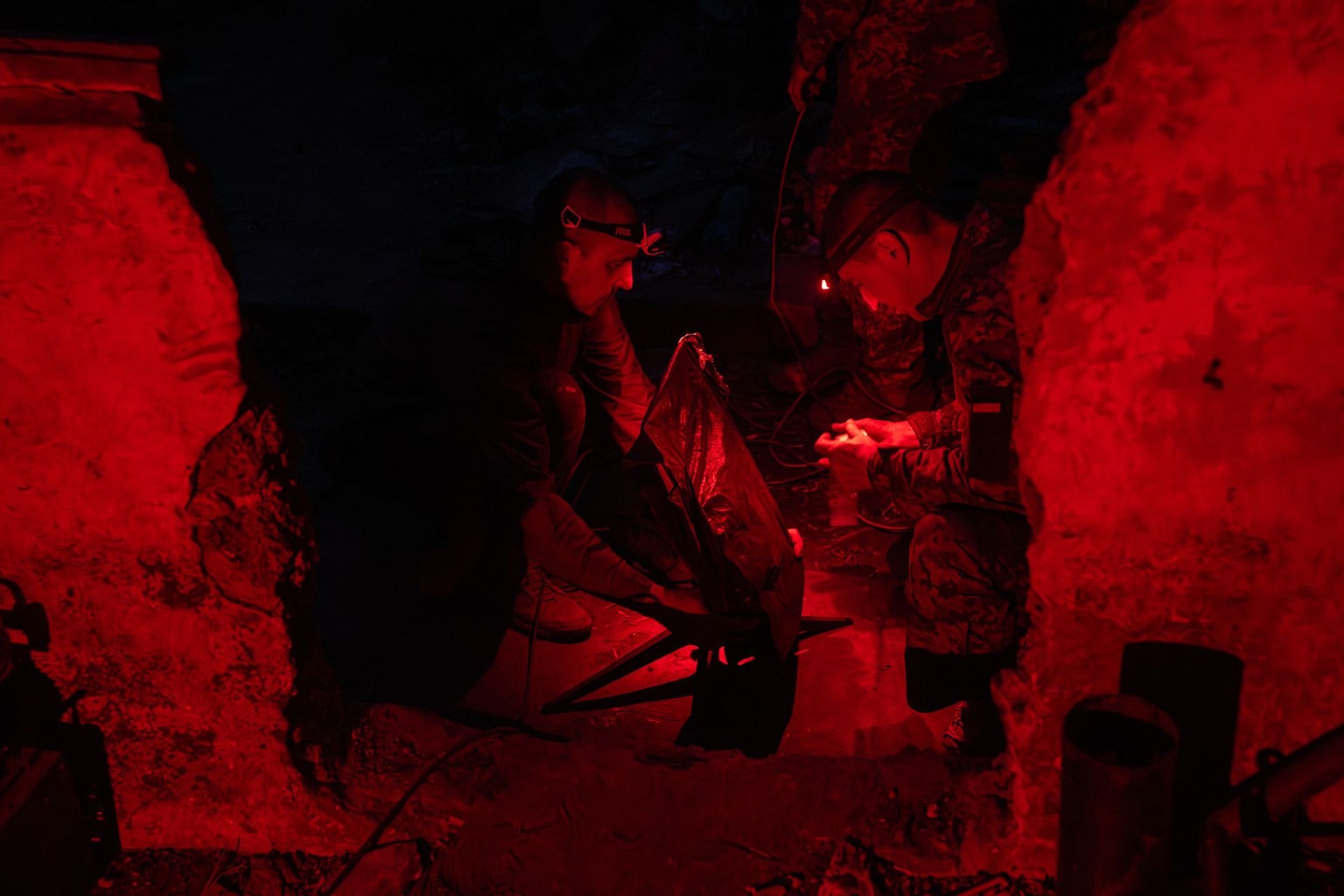
An installation titled "Empty Beds," featuring a recreated Ukrainian child's bedroom, during preparation in Kyiv, Ukraine, on Feb. 26, 2026. (Bird of Light Ukraine)
 on Google
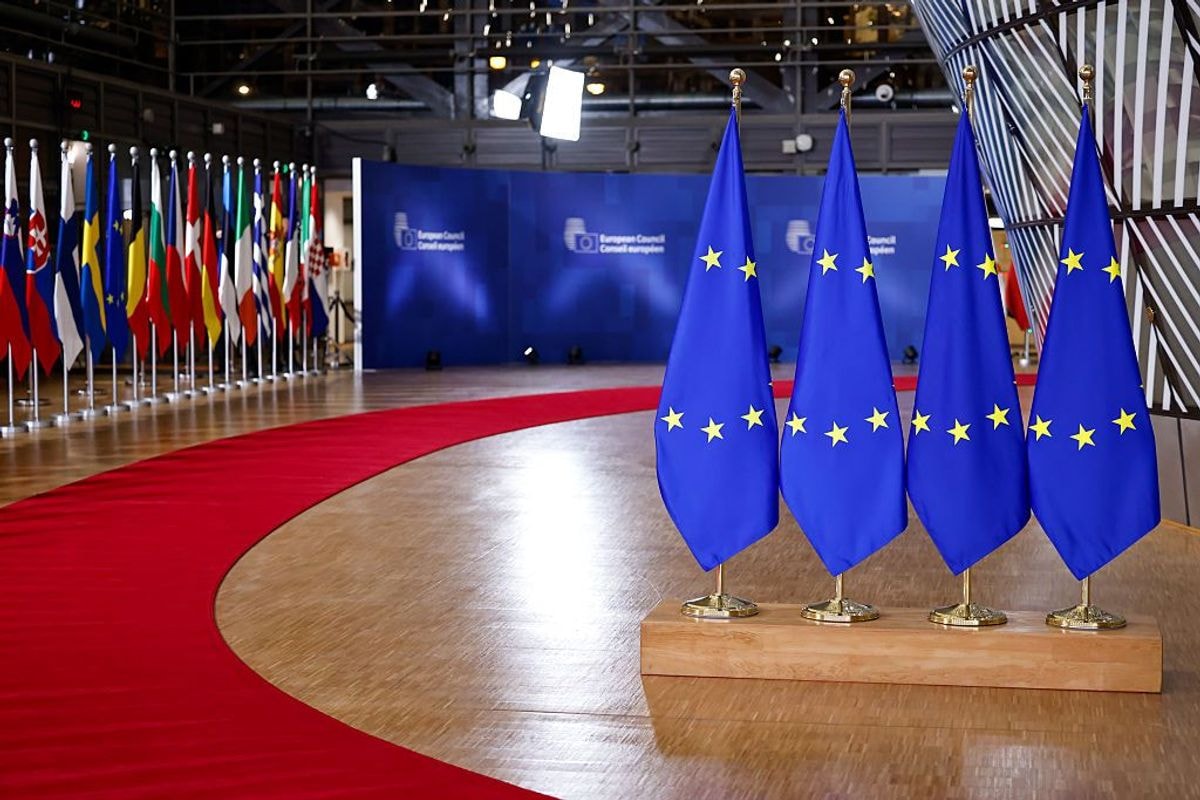
A Ukrainian child's bedroom was teleported to the halls of power in Brussels' EU quarter in April and May, pushing politicians and public alike to reflect on Russia's abduction of over 20,000 children, and the families ripped apart in the process.
The bedroom is an exhibit called "Empty Beds," created by the non-profit Bird of Light Ukraine, and the Kyiv Independent spoke with its co-founders, Zhanna Galeyeva and Isaac Yeung, to hear their story.
The exhibit itself has been a long time in the making. Galeyeva, a Ukrainian who had been in New York, and Yeung, a Chinese-Canadian, traveled to Ukraine in 2021. There, Galeyeva reconnected with her father, whom she had not seen for over 32 years.
Her father invited her into the house, where she found her childhood room, completely unchanged, the original "empty bed."
"I stood there in the middle of this room, it was as if my brain was rewiring itself in that moment," Galeyeva said, as old and dormant memories snapped back into connection with the present.
The two were still in Ukraine when Russia launched its full-scale invasion of Ukraine in February 2022, driving to the Moldovan border in the first week, and were prepared to leave the country.
Galeyeva recounts that "Isaac said we don't have to leave if you don't want to leave," and she said, "Thank you for reading my mind." The two turned back towards the southwestern city of Chernivtsi and quickly got stuck into volunteering and raising both awareness and funds from across the Atlantic.
At first, it was all informal. "We didn't have a name. We'd drop a bunch of drones, baby food, or night-vision goggles, but they had to record who was doing the delivery. They knew it was Zhanna, but what are you?" Galeyeva said.
It was after this that Bird of Light Ukraine was born, with Galeyeva repurposing the Bird of Light artisanal fashion brand she had previously readied for launch in New York.
The non-profit has since raised over $7 million in humanitarian assistance and helped about 675,000 people. As the needs on the ground have changed, so too has the level of ambition of Bird of Light Ukraine's work. From delivering baby food to sponsoring reform programs for children's facilities, "always looking for where we can have the most impact," Yeung explained.
"Eventually it came down to how we reach the people with the most influence, people of power, people who make decisions, and how we reach them emotionally," Yeung said.
From this began "Empty Beds."
Artem's room
The bedroom itself really gives the impression that its inhabitant, Artem, a 13-year-old composite of real children who cannot be named, had just left to go to school or play with friends. Clothes are on the floor, there are football and Minecraft posters on the wall, and the room features wallpaper and furniture that are instantly recognizable to most Ukrainians.
But all is not well in the room, and the war has left its traces. A couple of large bottles of water, an emergency light for when the power goes out, and the occasional far-off sound of artillery.
The exhibit also features a soundscape. Yeung explains that "it plays a subsonic frequency that you can't hear, but you can feel. If you get closer, you feel stressed. Your head starts pounding."


The bedroom was shown to the broader public for the first time on May 9 — Europe Day — when 18,000 people visited the European Commission headquarters. Among the visitors were children who, upon arriving, made straight for the bedroom and began to play — so familiar with the space that they seemed instantly at home.
Parents, on the other hand, whether politicians or not, were emotionally moved by the exhibit. Some preferred not to cross the threshold to enter the room, instead choosing to look and reflect. For some Ukrainians in particular, it can be an emotionally triggering experience.
It was also politically well-timed. Brussels played host to around 60 countries on May 11, making financial and political pledges to support the return of Ukraine's abducted children, and to sanction those Russians who have played a role in carrying out this act of genocide.
But this exhibit has been designed to move.
Next steps
Yeung pointed out that the exhibit neatly collapses into a set of panels, on which they worked with set designer Andrii Burianenko, who had previously worked with Volodymyr Zelensky for over a decade while the president was still a touring comedian.
The heavy metallic radiator, typical of Ukrainian houses, is actually hand-carved from styrofoam, one of several deceptions that make the room lightweight and easy to build and dismantle again.

After the "Empty Beds" exhibit had been on display for a month in Brussels and a small showing in Luxembourg, it arrived in Rome and the Italian Senate, with visits to Strasbourg and Paris to come.
After that, it's hard to say what comes next, but Yeung and Galeyeva have said that several countries have already expressed interest, and they are equally determined to keep global attention focused on returning Ukrainian children home.
"Talk to your congressman, pressure your legislation, so that in Ukraine childhood is safe again," Galeyeva added as we ended the interview.