Pope Leo, Zelensky discuss hopes for ceasefire in Russian-occupied Oleshky
 on Google

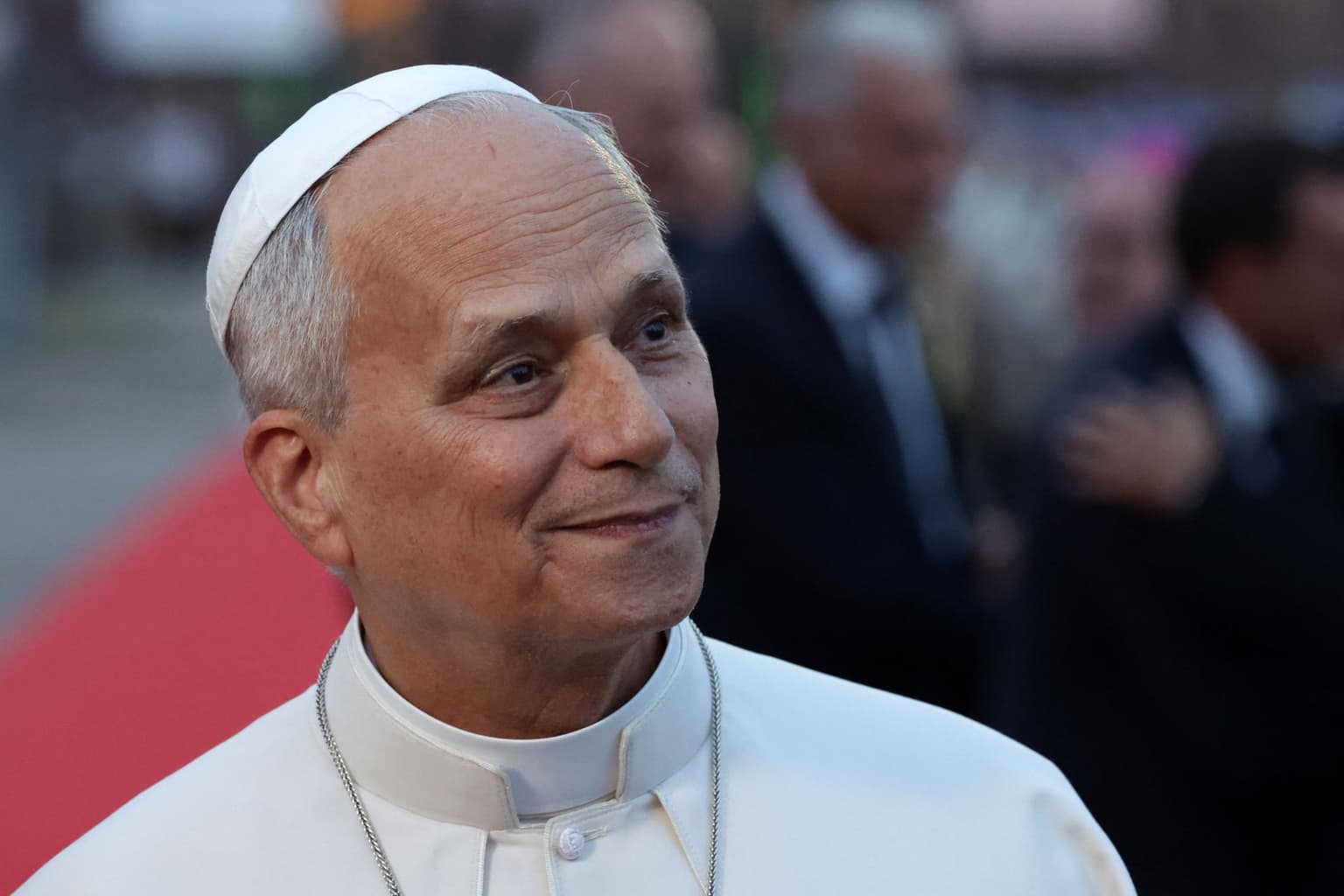
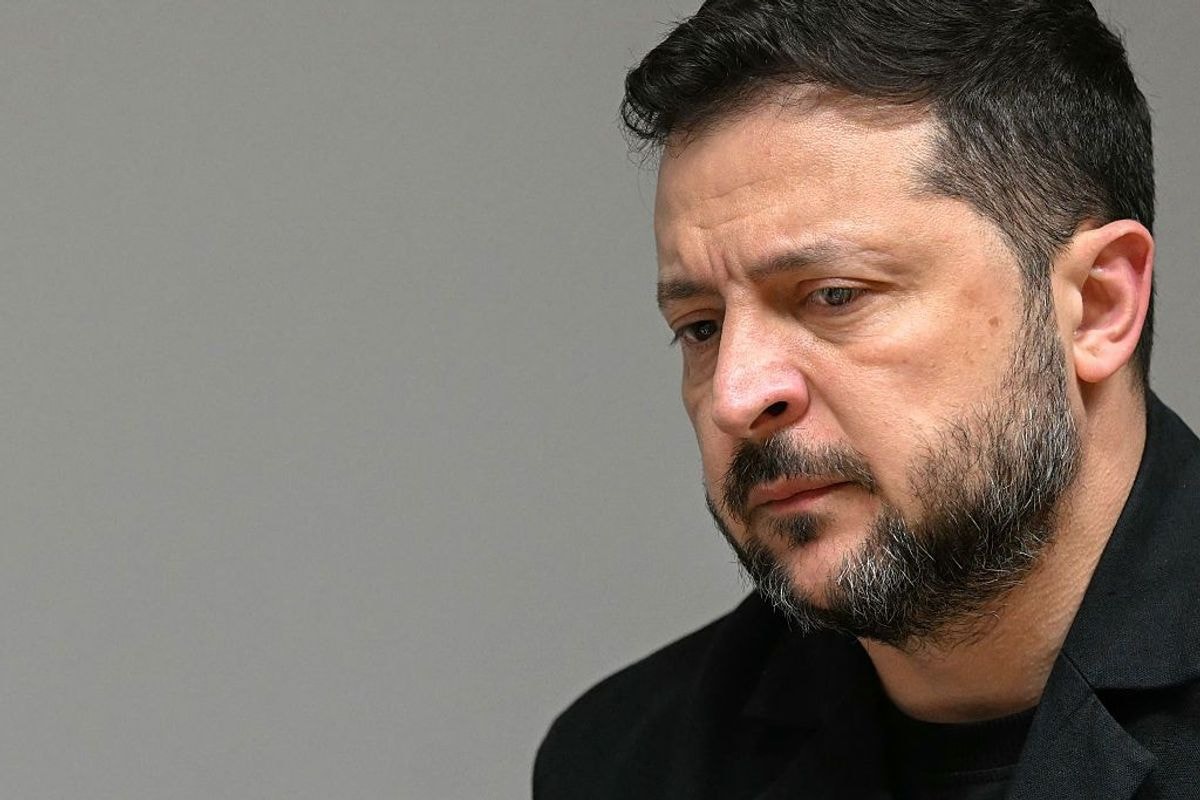
President Volodymyr Zelensky updated Pope Leo XIV on Russia's war against Ukraine, including the ongoing crisis in occupied Oleshky, during a phone call on Oct. 19.
The call comes three days after the pope spoke with Russian President Vladimir Putin to propose a ceasefire in Oleshky, a front-line town in Kherson Oblast where around 2,000 residents remain trapped without sufficient supplies of food or medicine.
Zelensky said he and the pope discussed the humanitarian emergency unfolding in Oleshky, including the Vatican's diplomatic efforts with Russia.
"We are working to help our people there and are preparing solutions," Zelensky said. "His Holiness informed me about his contacts with the Russian side regarding this issue."
Pope Leo's call for a ceasefire on Oct. 16 was his second known phone conversation with the Putin since becoming pope in 2025. The Russian president blamed Ukraine for the crisis in Oleshky, according to the Kremlin's account of the call.
Ukraine and Russia are currently discussing a ceasefire proposal and are nearing an agreement to evacuate residents from Oleshky, Human Rights Ombudsman Dmytro Lubinets said on Oct. 18.
The sides are negotiating a local ceasefire to allow residents to be evacuated directly to Ukrainian-controlled territory, rather than having to travel first through Russian-occupied areas and then through Russia and Belarus, Lubinets said.
No final agreement has been publicly announced, and it remains unclear when an evacuation could begin. It is not clear to what extent Pope Leo's intervention impacted the agreement.

Oleshky has been under Russian occupation since the early days of the full-scale invasion. Residents face severe shortages of food, water, and electricity, while mined roads, constant drone attacks, and interrogations by Russian troops at checkpoints make safe evacuation virtually impossible.
Despite the escalating emergency, Russian forces have been preventing Ukraine and international humanitarian organizations from accessing occupied regions to provide aid.
Zelensky said he also spoke with Pope Leo about Russia's intensifying attacks — and the failure of Kyiv's partners to provide advance warning of missile launches.
"Of course, we also discussed all the security challenges and threats we are currently facing, including the recent instances where we did not receive advance warning from our partners about Russian ballistic missile attacks, which has happened three times recently," he said.
The night before, Russia launched 16 ballistic missiles at Kyiv and the surrounding region, killing at least one person and injuring eight others. Ukrainian officials said they received no warning from the U.S. or other partners until after the first missiles struck.