'Will only lead to more slaughter' — bipartisan backlash erupts in US over Trump-Russia diesel deal
 on Google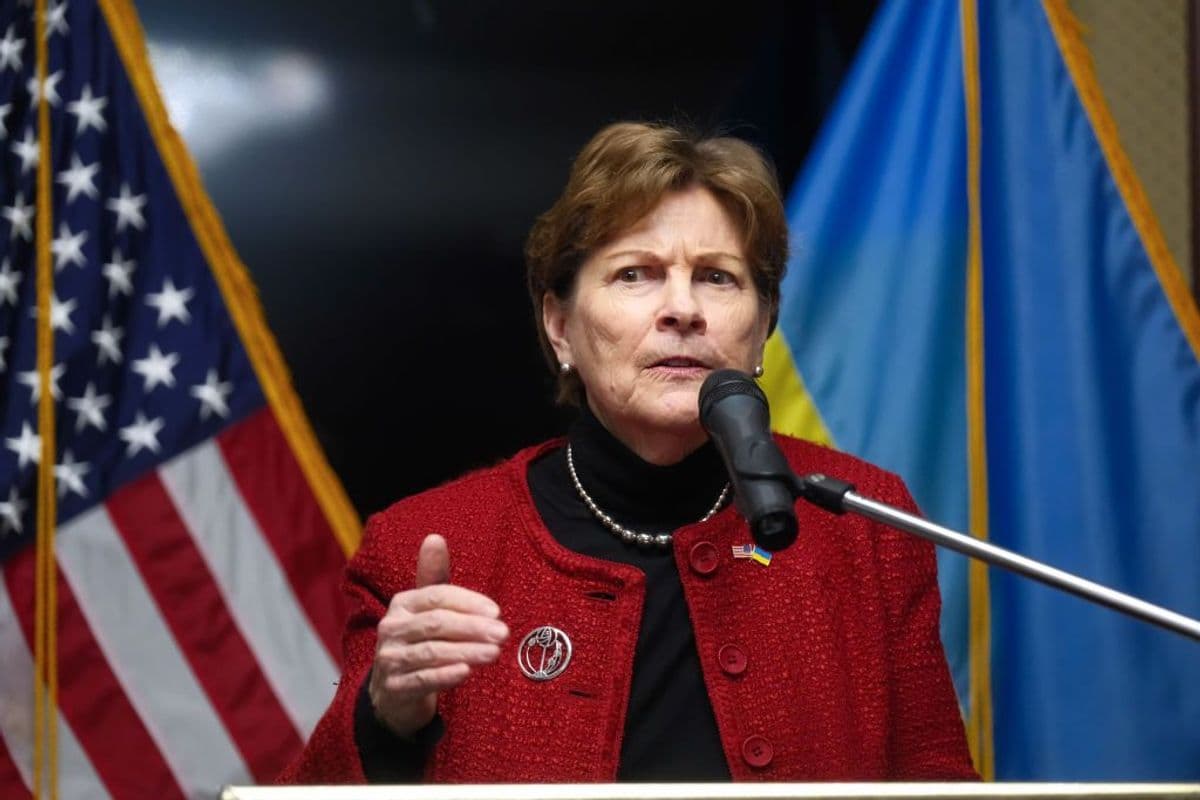
Editor's Note: This is a developing story and is being updated.
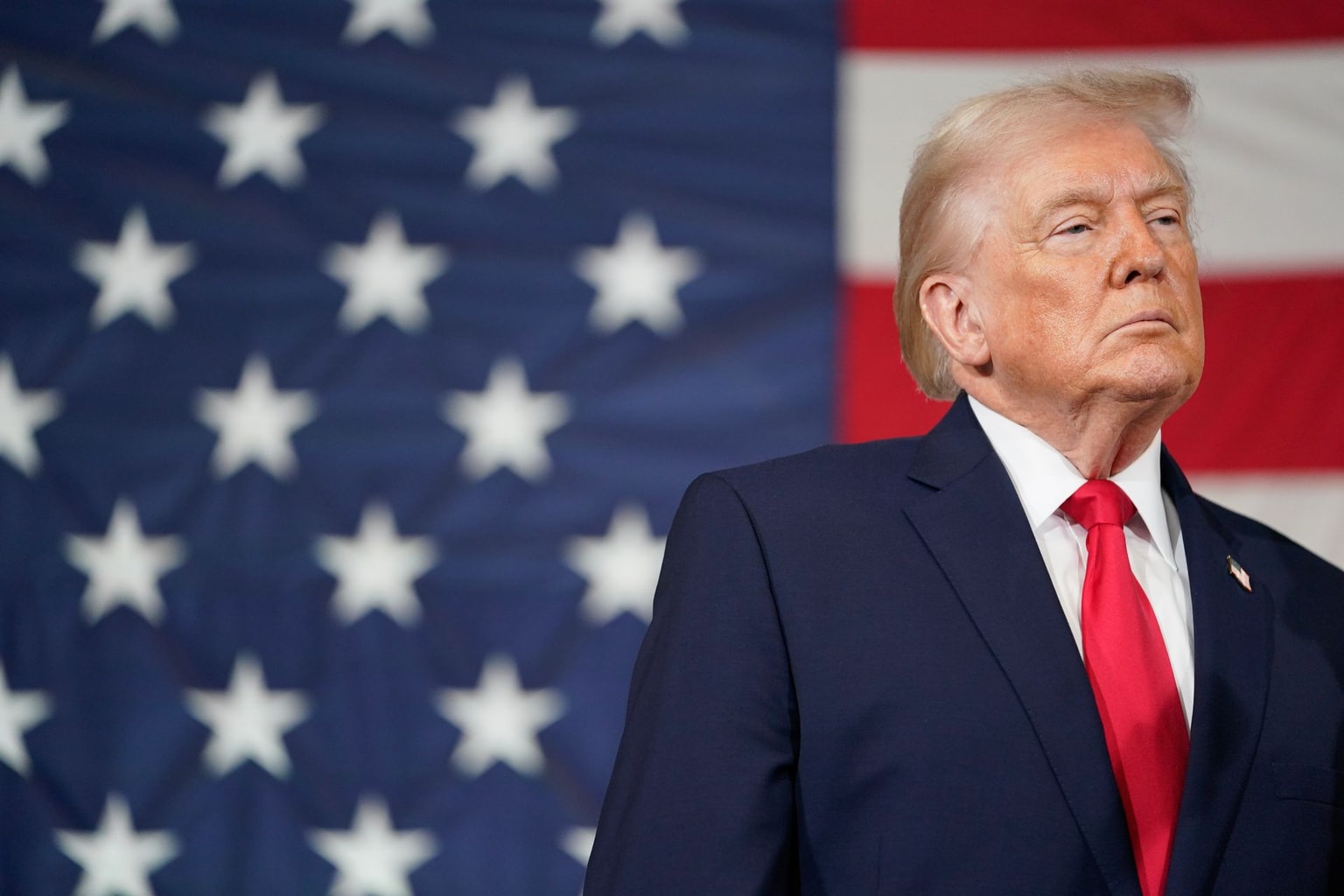
U.S. President Donald Trump's deal allowing Russian diesel exports to American and global markets drew sharp criticism on Oct. 10 from both Democrats and Republicans in Congress, who warned the move could help fund Russia's war against Ukraine.
Trump on Oct. 9 shocked Ukrainians and many in the U.S. when he announced that he would ease sanctions against Moscow by opening up global markets to Russian diesel. He claimed this would alleviate a worldwide diesel shortage, which he attributes to Ukraine's attacks on Russian refineries rather than his own decision to attack Iran.
Lawmakers from both major parties argued the move would undermine recently enacted sanctions against Russia, potentially provide Moscow with billions of dollars in revenue, and contradict Congress's efforts to pressure Russian President Vladimir Putin to end the war in Ukraine.
Some lawmakers questioned whether the plan would meaningfully lower fuel prices for Americans, which have increased dramatically across the country since the start of the U.S. war with Iran.
Others pointed out that Trump's deal with Putin may even be illegal. In 2022, then-President Joe Biden signed a law prohibiting American imports of Russian energy products, with conditions for lifting the ban tied to an agreement by Russia to withdraw its troops from Ukraine.
"Congress banned Russian energy imports in 2022. (The president) cannot simply ignore that law to buy diesel from Putin," Senator Jeanne Shaheen, a Democrat on the Foreign Relations Committee, said after the deal was announced.
Trump also recently signed another bill on Sept 18, which paved the way for further sanctions on Russia. Lawmakers claim the new agreement allowing for Russian diesel imports undermines that legislation.
"A few weeks ago, Congress overwhelmingly passed legislation to increase sanctions and tariffs on Russia," Senator Lisa Murkowski, a Republican, wrote on social media, referring to the recent sanctions bill.
"The president should be using those authorities instead of allowing Russia to export diesel, rake in revenues and continue its catastrophic war in Ukraine."
The sanctions bill, named for the late Republican Sen. Lindsey Graham, a staunch supporter of U.S. aid to Ukraine and sanctions against Russia, allows the president to impose tariffs of up to 100% on goods from foreign countries that meet specified criteria within 30 days of the law’s enactment.
The newly announced diesel deal directly contradicts the provisions made in the legislation, Senator Richard Blumenthal, a Democrat, said in a statement on social media.
Trump's deal "will lead to the slaughter of more innocents in Ukraine," he added.
"This agreement with a murdering dictator is a stain on our nation's character, an insult to Lindsey Graham's memory, and directly contrary to Congress's intent in our bipartisan sanctions bill," Blumenthal said.
Senator Gluesenkamp Perez, a Democrat, also criticized the deal, writing on social media that it "undermined" decisions made by Congress.
"It won't actually bring down prices," she said, adding that "we're now funding the war against Ukraine."
"Whose side is Trump on?" Senator Mark Kelly, a Democrat, asked on social media. "The entire goal was to choke off Putin's money for the war by punishing countries who were evading the sanctions and buying Russian oil. Does that mean we're sanctioning ourselves now?"
Republican Representative Brian Fitzpatrick promised that bipartisan legislation blocking all purchases of Russian oil would be introduced in the coming days.
"We will be introducing bipartisan legislation to block any and all purchases of Russian oil. ... It will be forced to the Floor via discharge and it will pass overwhelmingly," he wrote.
Critics of the proposed deal include Congressman Don Bacon, a Republican, who, in a lengthy post on social media stated that although Americans want lower diesel prices, "buying Russian fuel is the wrong answer."
"Now is the time to use those sanctions to squeeze Putin’s war machine," he said. "Not reward a dictator by putting more money in his hands while he continues targeting and killing Ukrainian civilians."
Trump has framed the proposed diesel deal with Russia as a way to lower costs for Americans ahead of the U.S. midterm elections. The midterm elections, which will determine which party controls Congress, are set to take place on Nov. 3, and voters are critical of rising oil prices and a general increase in cost of living tied to the war in Iran.
But support for Ukraine remains popular among Americans. A recent Economist/YouGov poll found that 61% of Americans sympathize more with Ukraine, compared to only 3% who sympathize more with Russia.
Before Trump's diesel announcement, U.S. lawmakers had been putting pressure on the administration to enforce the sanctions outlined in the recent legislation before the Oct. 18 deadline.
In a letter shared with the Kyiv Independent and later made public, Shaheen and Republican Senator Roger Wicker argued that Russia's intensified missile strikes targeting Ukraine's civilian population and energy infrastructure, along with new North Korean troop deployments, make immediate economic pressure necessary.