'No viable suggestions' on Russian assets yet, Belgium's Euroclear tells European Parliament
 on Google

Supporting Ukraine is essential, but so is maintaining financial stability, says Euroclear, the world's largest single holder of immobilized Russian assets.
The financial company argued at a European Parliament hearing on Nov. 19 that the EU's latest proposals to use Russian assets to support Ukraine remain unviable.
The Parliament hearing was held one day after the European Commission published a proposal to lend Ukraine an additional 45 billion euros ($49.5 billion) in 2027, first seen by the Kyiv Independent.
The proposal would add significantly to a growing debt-servicing obligation, prompting some to look for ways to avoid passing the cost on to European taxpayers.
In that context, Russian government assets, immobilized by EU leaders in the light of Moscow's full-scale invasion of Ukraine, make for, at first glance, an attractive target.
And Belgium-based Euroclear held 204 billion euros ($224 billion) of Russian government assets as of September — the majority.
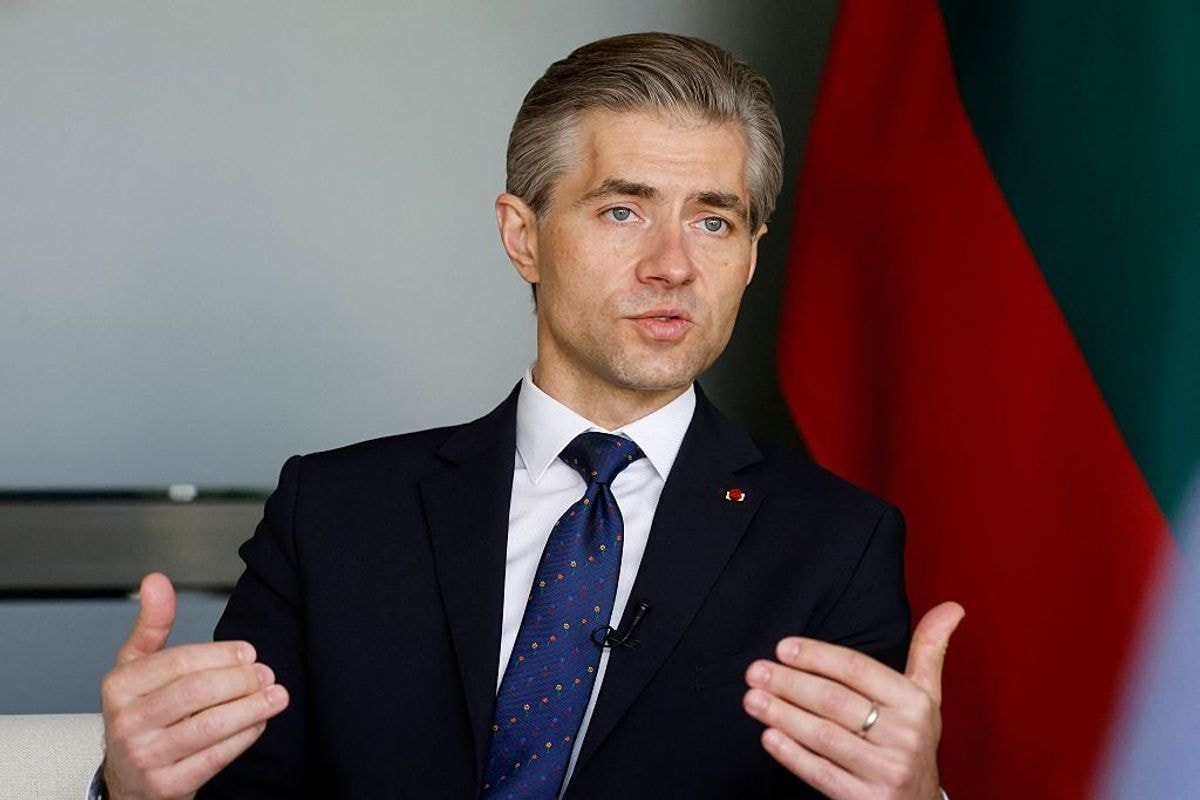
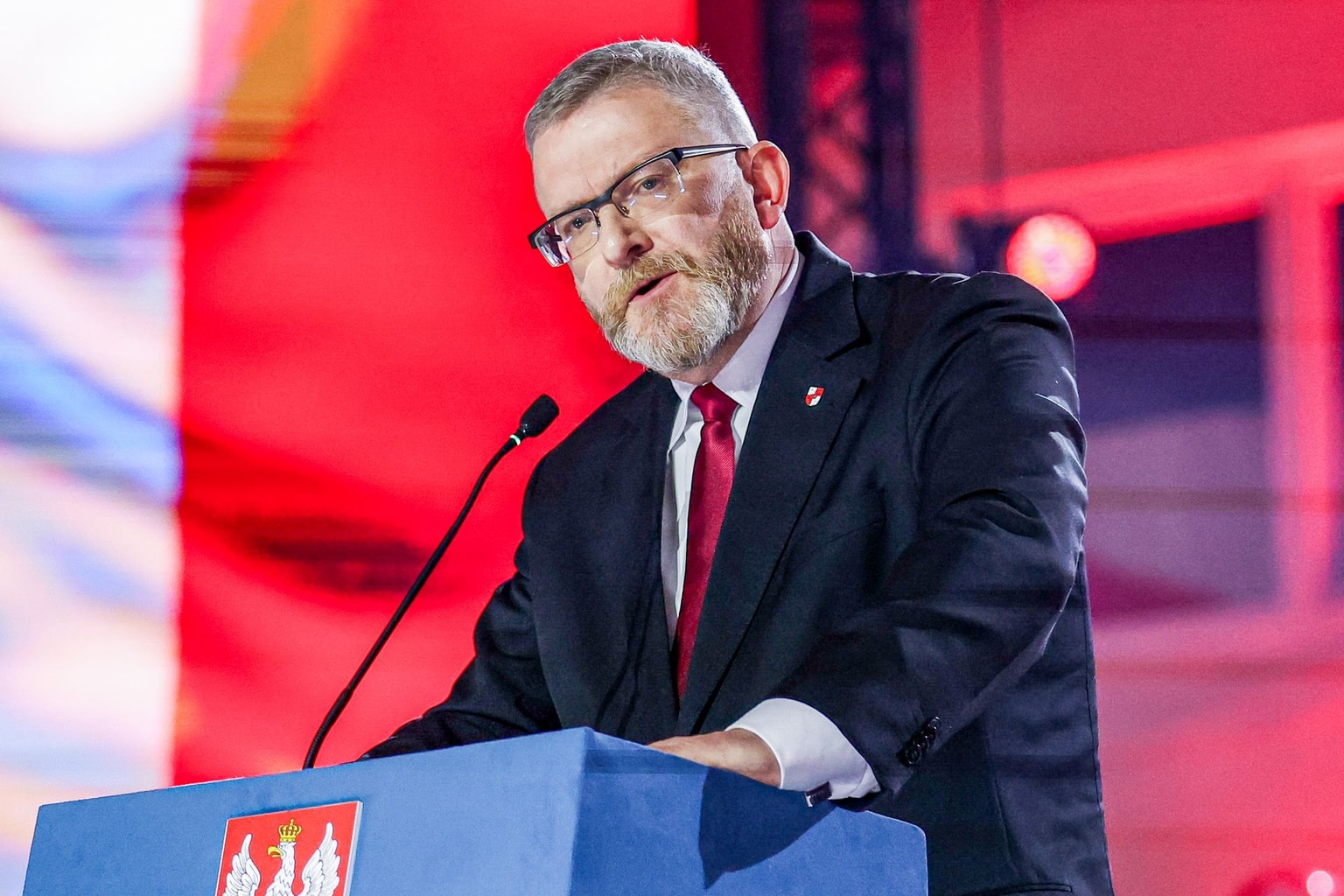
"Supporting Ukraine and protecting financial market stability are not competing objectives," said Edwin De Pauw, managing director at Euroclear.
"Yet the suggestions discussed so far have not demonstrated how both can be achieved," De Pauw added.
In December 2025, a first attempt by EU leaders to agree on a plan to use Russia's assets failed, with Belgian Prime Minister Bart De Wever the main voice speaking against the proposal over concerns about legal risk and financial stability.
But since September, Ukraine, several EU countries, members of the European Parliament (MEPs), and NGOs have been advocating to revisit the topic.
Center-left MEP Thijs Reuten, who has been one of the loudest advocates in the European Parliament for using the assets, responded to the Commission's latest loan proposal of Nov. 18 on social media by saying there is an easy fix — using the Russian assets.
But De Pauw highlighted that market players have "raised questions" about "Europe's commitment to the rule of law, the protection of assets, and the predictability of its legal framework," just as in 2025.
De Pauw warned that spooking the markets could scare away investors and "raise the cost of attracting capital to Europe."
In the long run, Europe will need to remain attractive to capital not only to fund Ukraine while the war is ongoing, but also to bankroll reconstruction, which already is estimated to cost almost triple the value of Russia's Euroclear-held assets.
"To date, we have not seen any proposal which adequately explains how the risk for financial market institutions will be mitigated and absorbed by EU member states," De Pauw said.
And for Euroclear, the risks are already being felt.
In October, the company reported that Russian countermeasures in response to Euroclear's upholding of EU sanctions cost it 233 million euros ($256 million), about two-thirds of which were legal fees.
Euroclear also has limited options when it comes to Russia, or other countries outside the EU, though it has been able to secure compensation.
Also invited to the parliamentary hearing was Hugo Dixon, the lead activist behind an initiative called "the Russian transfer," which essentially calls for moving Russia's assets away from Euroclear to a European custodian.
The idea was launched in Brussels during a September panel debate where Finance Minister Serhii Marchenko advocated a broadly similar concept.
Dixon's plan includes a ready-made draft regulation with wording to reimburse any actor for any "loss, cost, or expense" incurred for transferring the assets to EU protection, as well as for retaliatory actions taken by Russia or on its behalf.
But when the Kyiv Independent asked Dixon following the September event how the EU would compensate Euroclear or Belgium, he lacked a concrete answer.
"This is something that the European Union would have to come to a decision (on)," Dixon said.
He also claimed it would not need to be spelled out already in the regulation, and would remain a "contingent off-balance sheet liability," and that "the EU would have to decide how to fund it," as and when the time comes.
However, that does not provide a specific enough guarantee for De Pauw, who says Euroclear would need "enforceable and timely payment arrangements" in any EU-level instrument.
"Our assessment is that there have been no viable suggestions that sufficiently alleviate the material legal, financial and operational risks involved," De Pauw said.
He also reminded why harm to Euroclear goes beyond the interests of the company itself.
De Pauw said that as of September, "we safekeep 46 trillion euros ($50.7 trillion) in assets under custody, more than double the nominal GDP of the entire European Union."
"Trust is fundamental to Europe's financial markets. And it is why the implications of the potential use of immobilized Russian assets extend well beyond Euroclear itself," De Pauw added.
Even with the European Parliament discussion, the prospect of EU leaders seriously contemplating the use of Russian assets seems far off.
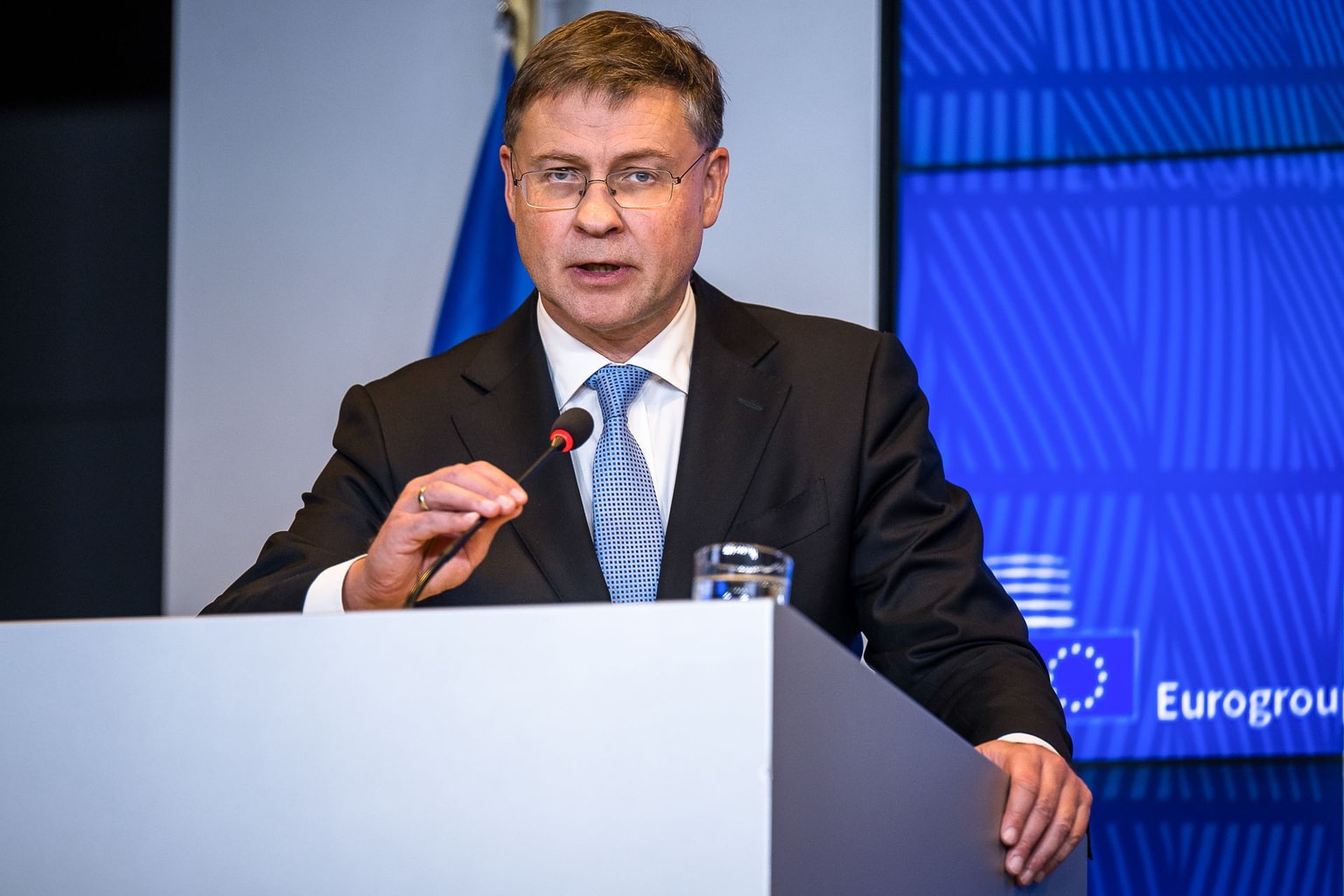
When presenting the 45 billion loan proposal, European Commission President Ursula von der Leyen and Economy Commissioner Valdis Dombrovskis referred only to uses of the Russian assets already foreseen by existing rules, when asked about it by the Kyiv Independent.
Dombrovskis elaborated that he sees the discussion about the final use of Russia's immobilized assets coming up in the framework of peace talks, at which point the EU is expecting Moscow to pay reparations to Ukraine.
If Ukraine does not receive reparations from Russia, the bloc has already reserved the right to use Russia's assets.