'Triumph for democracy' — US House passes Graham's Russia sanctions bill
 on Google

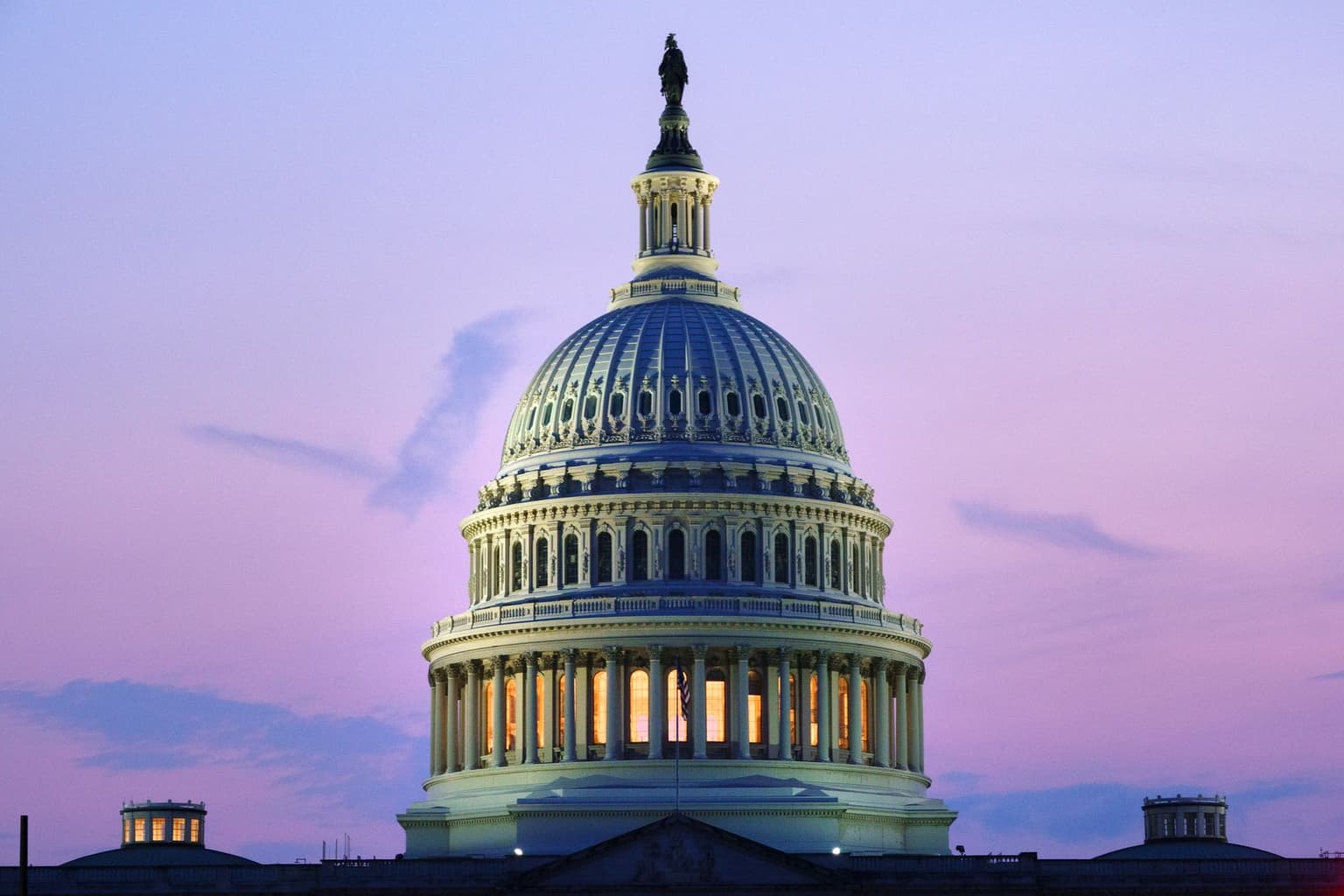
The U.S. House of Representatives approved sweeping legislation that would impose tariffs of up to 100% on countries that buy Russian oil and gas, in a final vote on Sept. 16.
The bipartisan bill, championed by the late Republican Senator Lindsey Graham, gives U.S. President Donald Trump authority to impose tariffs of up to 100% on the five largest buyers of Russian oil and natural gas, as well as five countries helping Moscow evade energy sanctions.
The bill passed with 262 votes in favor and 159 against. 203 Republicans, 56 Democrats, and one independent representative voted for the bill. Seven Republicans and 152 Democrats voted against it.
The legislation passed with overwhelming support in the Senate in early August, less than a month after Graham unexpectedly died of illness following his trip to Ukraine.
However, the bill has faced much stronger opposition in the House, as some Democrats fear it would grant Trump too much authority over tariffs while failing to actually mandate sanctions against Russia.
The House nevertheless advanced the bill in its first procedural vote on Sept. 15 by a narrow 214-211 margin, after two Democrats, Jared Golden and Marie Gluesenkamp Perez, crossed the aisle to vote in support of the legislation.
Senator Richard Blumenthal, the Democrat who initially co-authored the legislation alongside Graham, praised passage of the bill in the House.
"Today is a historic triumph for democracy — ours and Ukraine's — showing that America can still muster bipartisan unity in the fight for freedom," Blumenthal said in a statement.
The latest vote took place in the final week when the House is in session before the midterm elections on Nov. 3, with both chambers of Congress set to return on Nov. 9.
Both major U.S. political parties are preparing for the pivotal elections that could either reaffirm the Republican Party's control of Congress or shift power in the legislature to the Democrats.
The voting on Graham's legislation has been closely watched in Ukraine. President Volodymyr Zelensky called upon U.S. lawmakers on Sept. 11 to pass the bill, while also stressing the need for strong "personal decisions from President Trump."
"The U.S. Congress is sending a clear message — Russia cannot continue its aggression without consequences, and the longer (Russian President Vladimir) Putin continues this war, the higher the cost will be for him and his regime," Ukraine's Foreign Minister Andrii Sybiha said on X after the vote.
Ukraine's chief diplomat thanked the bipartisan leadership in the House and all the lawmakers who supported the bill, adding, "We also honor the legacy of Senator Lindsey Graham, whose name now stands with this vital effort to defend freedom and strengthen peace."
"We expect the sanctions to make Russian energy exports more expensive, more difficult, and less profitable," said Vladyslav Vlasiuk, Ukraine's sanctions commissioner, in a statement shared with the Kyiv Independent.
"This does not mean an immediate end to the war, but it does mean a gradual reduction of Russia's ability to sustain the current intensity of hostilities."
Speaking before the vote, Blumenthal said it was "important to America as well as Ukraine to show Vladimir Putin that we'll stand up to him, because he understands only force and strength."
Michael McCaul, a Republican lawmaker and another proponent of the bill, noted that this legislation can "bleed the (Russian) regime so we can finally get them to the negotiating table to get to a peaceful settlement."
"We owe it to the principles we stand for. We owe it to Ukraine; we have to stand up against our adversaries, and we also have to honor the legacy of Lindsey Graham, who had the brilliance in legislating to accomplish this," McCaul said.
The bill targets countries purchasing Russian energy products. China, India, and Turkey are among the largest buyers of Russian oil, while the European Union, China, and Turkey are major importers of Russian natural gas.
The list of targeted countries would be reviewed every 180 days. Countries importing less than 15% of Russia's total natural gas exports and actively reducing those imports would be exempt.
The legislation would also impose sanctions on Putin and other senior officials; major Russian financial institutions, including the Central Bank, Sberbank, and Gazprombank; and Russian state-owned companies.
It would further target foreign entities supporting Russia's defense-industrial base, major Russian energy projects, and Moscow's so-called shadow fleet, which helps Russia continue exporting oil despite Western sanctions.
Uliana Boichuk contributed to the article.