Ukraine war latest: Russian territorial advances slowed by more than half in 2026, Syrskyi says
 on Google
Key developments on July 10:
- Russian territorial advances slowed by more than half in 2026, Syrskyi says;
- Russia restates its maximalist war goals, despite Trump's renewed peace push;
- Next step for Ukraine's EU membership talks unlocks on July 14;
- Major Russian oil refinery, oil infrastructure reportedly struck by Ukrainian drones.
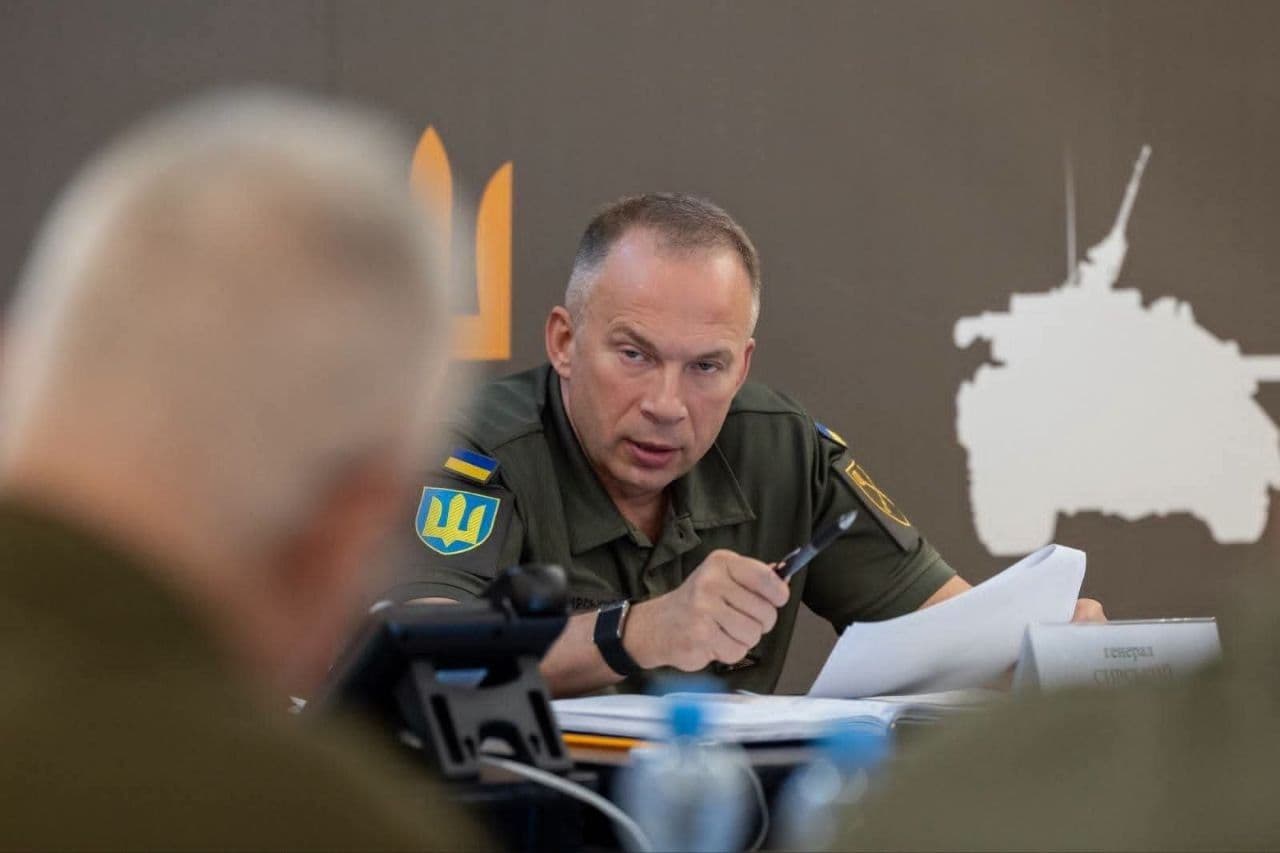
Ukraine's active defense operations reduced the pace of Russia's territorial advances by more than half during the first six months of 2026, Commander-in-Chief Oleksandr Syrskyi said on July 10.
"The enemy attempted to launch a large-scale offensive but, in fact, failed to achieve any of its objectives despite having an almost twofold advantage in personnel and equipment," Syrskyi said following a meeting reviewing the military's performance during the first half of the year.
"If previously the Russian army was conducting active offensive operations in 13 operational directions, now there are at most six or seven," he added.
According to Syrskyi, Ukrainian forces continue defensive operations while maintaining the initiative in some sectors of the front.
"Our ratio of assault operations to those of the enemy is currently approximately 40 to 60," Syrskyi said. "It is precisely thanks to the active actions of the Defense Forces that in the first half of 2026 the pace of Russian troop advances decreased by more than half."
He added that "the sides have effectively approached parity in the rate of advance" and that there is "a steady trend toward increasing the ratio of territory liberated by the Defense Forces compared with areas where the enemy manages to advance."
Syrskyi also said Russian forces are suffering average monthly losses of around 32,000 killed and wounded as Ukraine continues "a strategy of exhausting the Russian aggressor."
At the same time, the commander-in-chief cautioned against underestimating Russia.
"We must not underestimate the enemy. A turning point in the war is still far away," he said.
Syrskyi added that Russia has not abandoned its goal of fully occupying Luhansk and Donetsk oblasts and is seeking to expand offensive operations in Dnipropetrovsk and Zaporizhzhia oblasts, while also attempting to create and enlarge a buffer zone in Ukraine's northern regions. Syrskyi warned that Russia is increasing the intensity of its missile and drone attacks, its use of guided aerial bombs, and the number of crimes committed against civilians.
Syrskyi also highlighted the results of Ukraine's long-range strike campaigns during the first half of the year. He noted the military's Deep Strike campaign hit 697 targets inside Russia, causing at least $6.1 billion in direct and indirect economic damage. Ukraine's Middle Strike campaign struck another 7,028 Russian targets over the same period.
According to Syrskyi, Ukrainian artillery carried out more than 456,000 fire missions in the first six months of 2026. Missile forces launched more than 1,140 strikes, the Air Force conducted more than 1,100 strikes, and support units carried out around 1,400 missions.
The commander-in-chief also said he had instructed commanders to ensure troops are rotated from front-line positions at least once every 60 days, describing the measure as essential for soldiers' lives, health, combat effectiveness, and fair treatment.
Syrskyi added that criminal offenses within Ukraine's military decreased by 12% during the first half of the year and said he had set "ambitious tasks" for the coming months.
On April 27, Ukraine's military ombudswoman, Olha Reshetylova, said research conducted by her office found that soldiers often become indifferent to whether they survive after around 40 days on front-line positions. She said prolonged deployments in combat positions cannot be considered effective, arguing that regular rotations are essential to maintaining troops' combat effectiveness.
Russia restates its maximalist war goals, despite Trump's renewed peace push
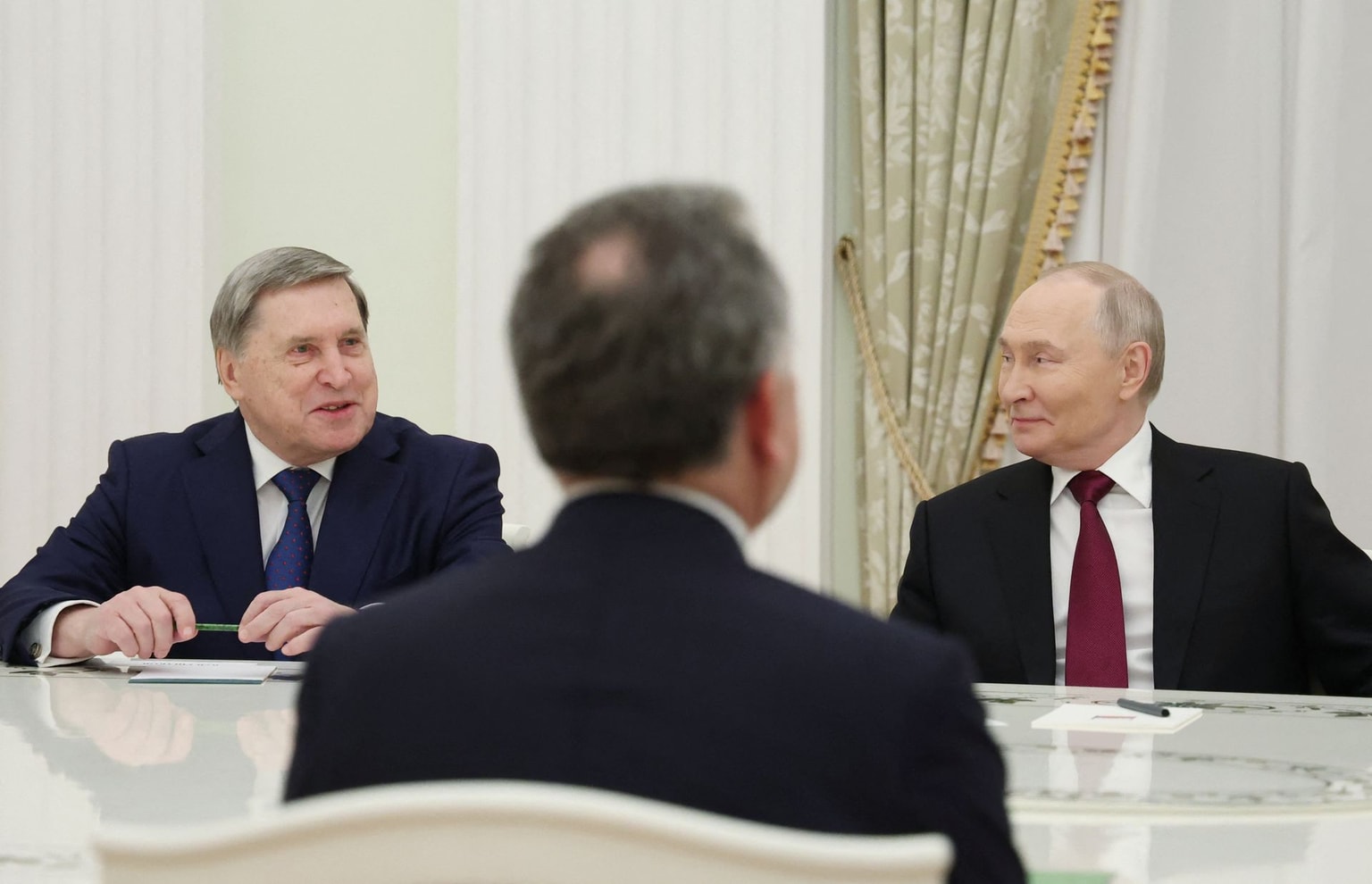
Russia will continue its war against Ukraine until its territorial demands are met, Russian Foreign Minister Sergey Lavrov said on July 9, adding that Moscow no longer trusts Western peace efforts.
The comments run counter to a recent statement by U.S. President Donald Trump, who said that Russian President Vladimir Putin is ready to end the war.
"The president clearly confirmed that we will continue to achieve the goals that were laid out in June 2024 during Vladimir Putin's speech at the Foreign Ministry," Lavrov said during a joint press conference with Mozambique's Foreign Minister Maria Manuela Lucas.
Putin said at the time that Ukraine must fully withdraw from partially occupied Donetsk, Kherson, and Zaporizhzhia oblasts, as well as almost fully occupied Luhansk Oblast, and abandon its NATO ambitions.
Kyiv has rejected the demands — which would effectively amount to a surrender — and instead called for a ceasefire along the current front lines.
Lavrov also accused the West of "feigning willingness to negotiate," adding that Russia's "reserve of goodwill and hope has been completely exhausted."
The statement contrasts with the Russian foreign minister's remarks just a few weeks ago that Russia is ready "any time" to pick up the peace talks "where they left off."
The comment also comes amid broader warnings from the Kremlin about a possible expansion of the conflict. Kremlin spokesperson Dmitry Peskov said that Russia would broaden the zone of military operations as a response to Ukrainian drone attacks against Russian infrastructure.
Washington recently signaled interest in resuming its diplomatic efforts after they had effectively stalled as Trump's focus had shifted to the war in Iran.
The U.S. president said he held phone calls with Putin and President Volodymyr Zelensky earlier this week, and he met with the Ukrainian leader at the NATO summit in Ankara on July 8. At that meeting, Zelensky said the two discussed "ideas to bring peace closer."
Next step for Ukraine's EU membership talks unlocks on July 14
Ukraine and Moldova will take the next step in their EU accession process on July 14 after ambassadors from the bloc's 27 countries agreed on July 10 to formally open negotiations over another of the six to-do lists.
Kyiv and Chisinau unlocked the first of the six so-called enlargement clusters on June 15, called "fundamentals," which covers topics such as the rule of law and democratic functioning. The next cluster to open concerns the alignment of the two countries' foreign policy with EU norms.
Taras Kachka, Ukraine's deputy prime minister for European and Euro-Atlantic integration, thanked European partners "for moving forward the agenda of the enlargement process."
"Cluster 6 is particularly (important) in today's global security environment. Joint security and defense policy, trade, humanitarian assistance, and development (cooperation.) Bringing Ukraine closer to the EU's Common Foreign and Security Policy."
The European Commission has said that Ukraine and Moldova have both been ready to open all six clusters for months, but individual EU countries, principally Hungary, have held back progress, as the process always requires unanimity to proceed.
Peter Magyar, head of Hungary's new government, has consistently opposed fast-tracking Kyiv's EU accession process, pushing back against any apparent preferential treatment toward Ukraine.
However, other countries could revive their own concerns over the remaining four clusters, particularly as they handle economic alignment, and several capitals fear Ukrainian competition.
Chief among those is Poland, whose agricultural and trucking sectors are especially sensitive to competition from Ukrainian companies and have a powerful voice in national politics.
Warsaw is also among those who pushed for stricter quotas on Ukrainian steel imports, and Polish President Karol Nawrocki has been locked in a feud with President Volodymyr Zelensky for several weeks over historical grievances.
Still, the progress on the external relations cluster, mere days into Ireland's six-month presidency of the EU Council, offers hope that Dublin is serious in its pledge to prioritize enlargement, and that further clusters could open after Brussels' summer recess.
Major Russian oil refinery, oil infrastructure reportedly struck by Ukrainian drones
Ukrainian forces continued their barrage of attacks against Russian oil infrastructure overnight on July 10, striking targets in multiple regions, Russian Telegram media channels reported.
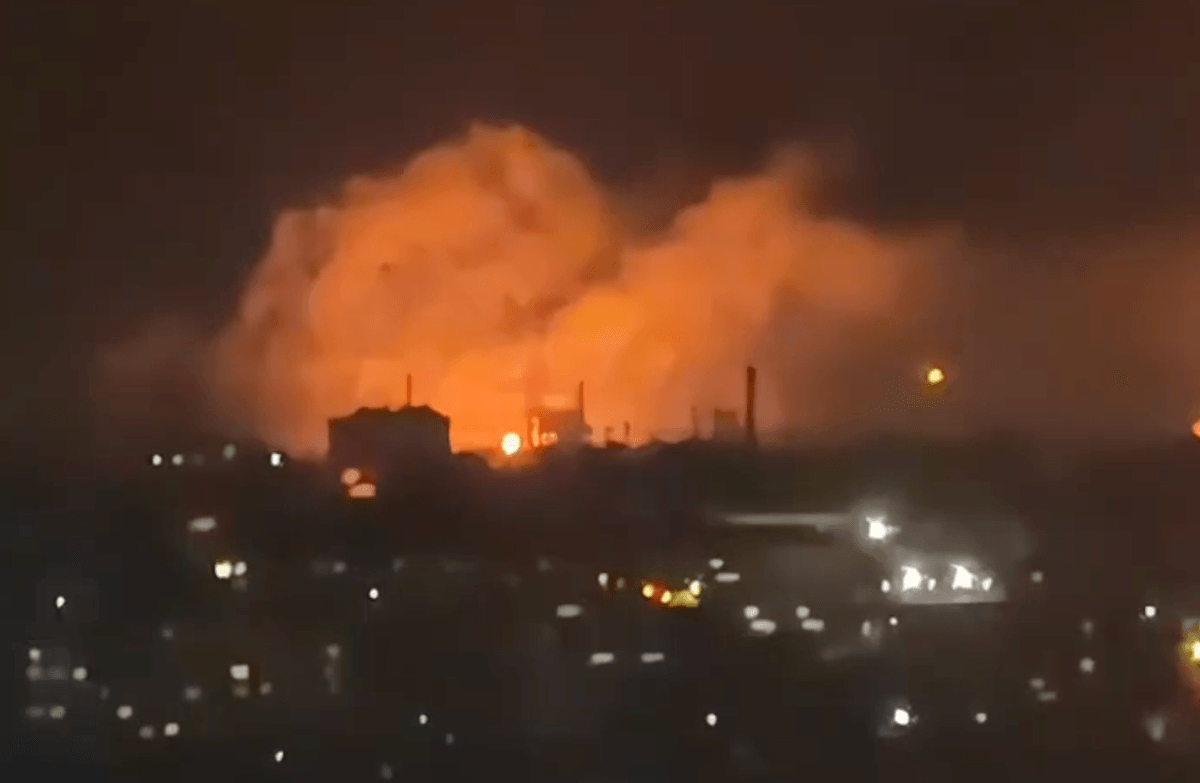
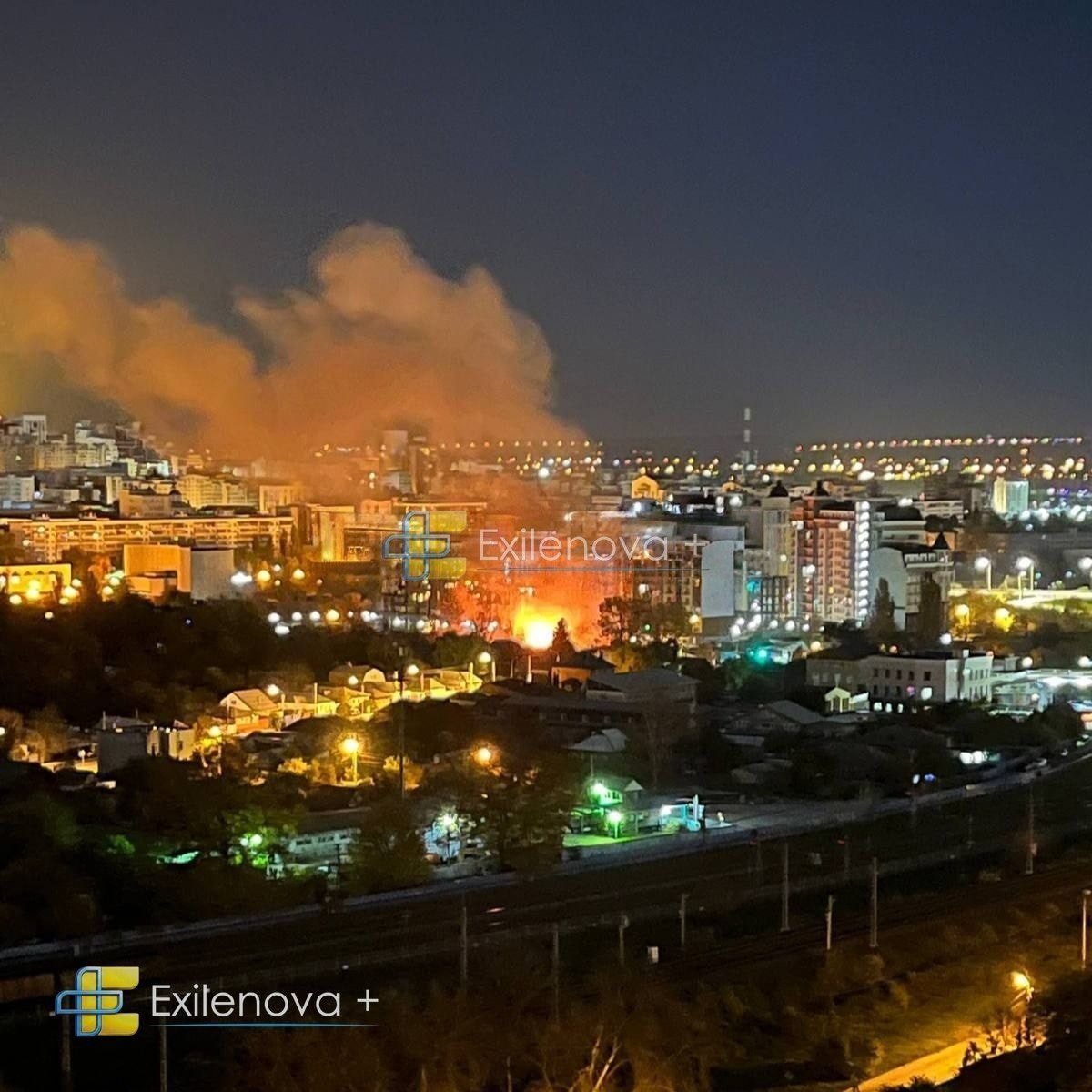
Ukraine's military reportedly struck the Ilsky Oil Refinery in southern Russia overnight on July 10. Photos and videos posted to social media by local residents purport to show large, glowing flames rising from the refinery.
Located roughly 500 kilometers (310 miles) from Ukrainian-controlled territory in Krasnodar Krai, the refinery is among the largest in southern Russia, producing nearly 6.6 million tons of fuel annually.
The latest reported strikes marks at least the 17th time the refinery has been targeted by Ukrainian strikes. The last time the refinery was targeted was on June 2, according to Ukraine's General Staff.
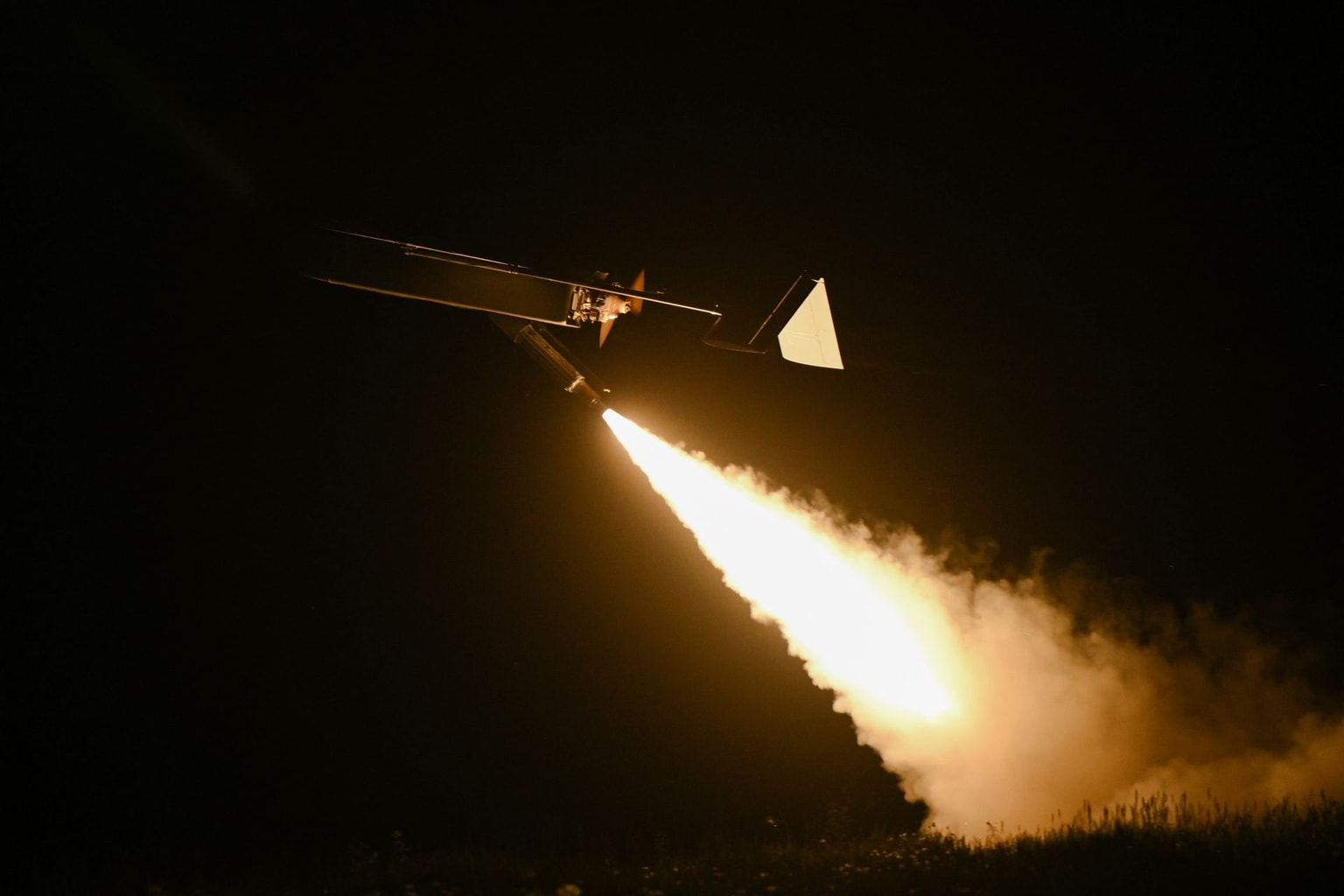
Although it was not immediately confirmed as to what weaponry was used in the reported strike, Ukrainian drones were reported flying over the region around the time of the strike.
Later into the morning hours, Russia's Rostov Oblast was targeted in a wide-ranging attack on the region's oil infrastructure.
Massive clouds of smoke were purportedly seen billowing over the western city of Taganrog, sits along southern Russia's Azov Sea coast, amid reports of a strike on the city port's oil terminal.
Flames were also reported rising from an oil depot in the nearby town of Azov in Rostov Oblast.
The extent of the damage caused was not immediately clear.
The Kyiv Independent cannot immediately verify the reports. Ukraine's military has not yet commented on the reported attack.
Kyiv considers energy facilities to be valid military targets, as the energy sites provide fuel and funding for the Kremlin's war machine.
Ukraine has been waging an increasingly successful deep strike campaign against Russian oil infrastructure, striking oil depots, disrupting production at major facilities, and in some cases halting operations indefinitely.
Overnight strikes on oil depots on July 9 led to a long-lasting fire in the city of Tver, as well as a local state of emergency declared in the Stavropol Krai region.
Ukraine's refinery attacks have mounted pressure on the Kremlin by aggravating a domestic fuel supply crisis that has already caused export bans, price hikes, and sales restrictions across Russia.
The Russian government announced on July 8 that it would ban the export of diesel fuel until at least the end of the month, after weeks of Ukraine successfully pummelling energy infrastructure.