'The package won't arrive:' Blazes at Wildberries warehouses in Russia's Penza, Udmurtia amid more Ukrainian drone strikes
 on Google
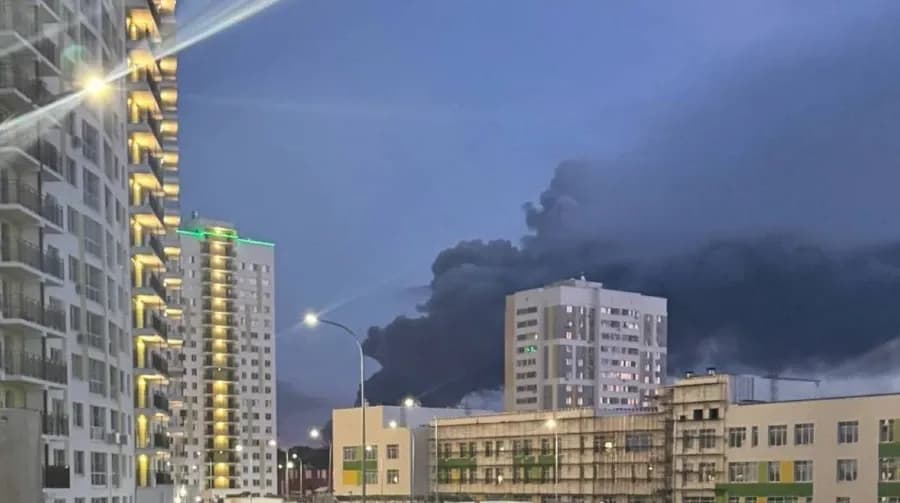
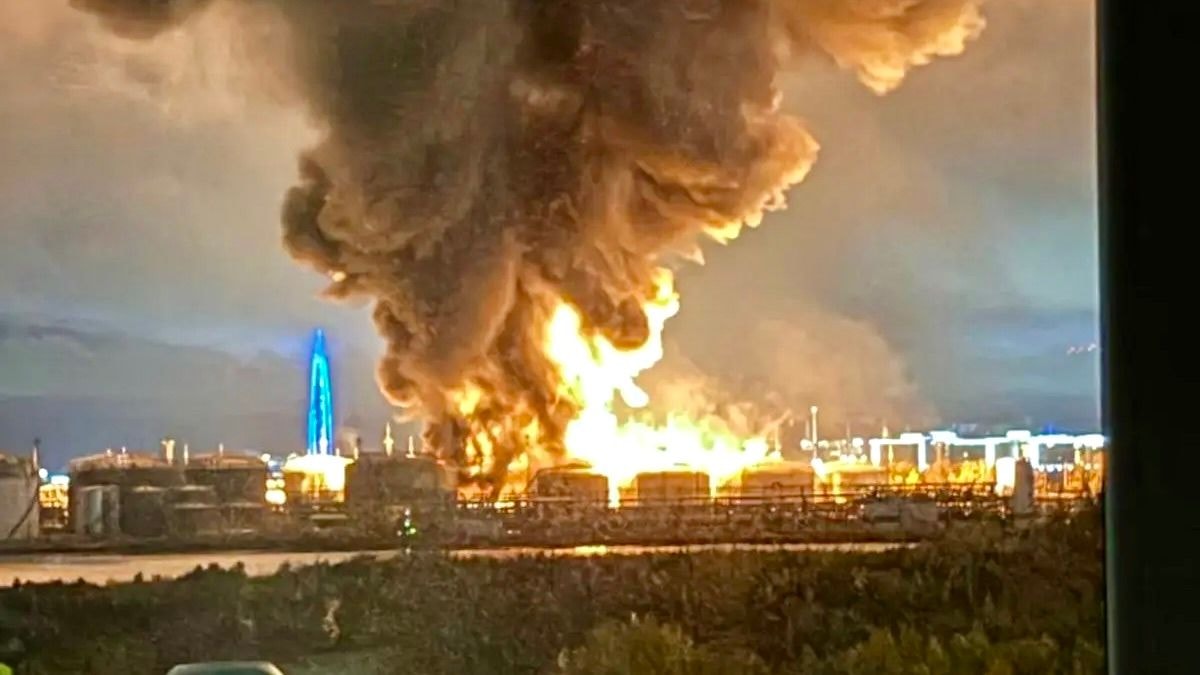
Two more warehouses belonging to Russian e-commerce giant Wildberries have reportedly been struck by Ukrainian drones overnight on July 30, as the targeted campaign against the company's facilities continues, regional authorities reported.
Warehouses were struck in the city of Penza, regional governor Oleg Melnichenko confirmed, adding that one person was injured in the attack, and that over 200 people had been evacuated from the area.
An attack on another Wildberries warehouse was also reported outside the city of Sarapul in the Russian Republic of Udmurtia, northeast of Moscow, local Telegram channels reported.
Unmanned Systems Forces commander Robert "Magyar" Brovdi confirmed the attacks, marking the eighth and ninth Wildberries facilities to be struck since the campaign started earlier this month.
"The package won't arrive, not for Penza, not for the Red Army... sorry, Udmurtia," Magyar wrote on Telegram in his signature cryptic style.
Wildberries, which controls about half of Russia's online retail market, has been targeted in a spate of Ukrainian drone attacks, with warehouses and logistics ups going up in flames in Moscow Oblast, St Petersburg, Tyumen, Krasnodar, Ryazan, and other locations.
According to calculations made by Russian independent media outlet Verstka before the last two attacks, Wildberries had already lost 15.4% of its total floor space.
Wildberries lists a variety of military equipment available for purchase on its website, including drone components and body armor.
Wildberries, along with company founder Tatyana Kim — Russia's wealthiest woman — have been subject to international sanctions and trade restrictions due to Russia's all-out war against Ukraine.
When imposing sanctions against the company in 2022, Poland noted that Wildberries was "the largest taxpayer in the Russian Federation."
The attacks on Wildberries are also seen as a way of bringing the war home to middle-class Russians who have otherwise been able to live largely unaffected by it.