EU opens 1st negotiation cluster for Ukraine, Moldova
 on Google

Editor's note: The story is being updated.
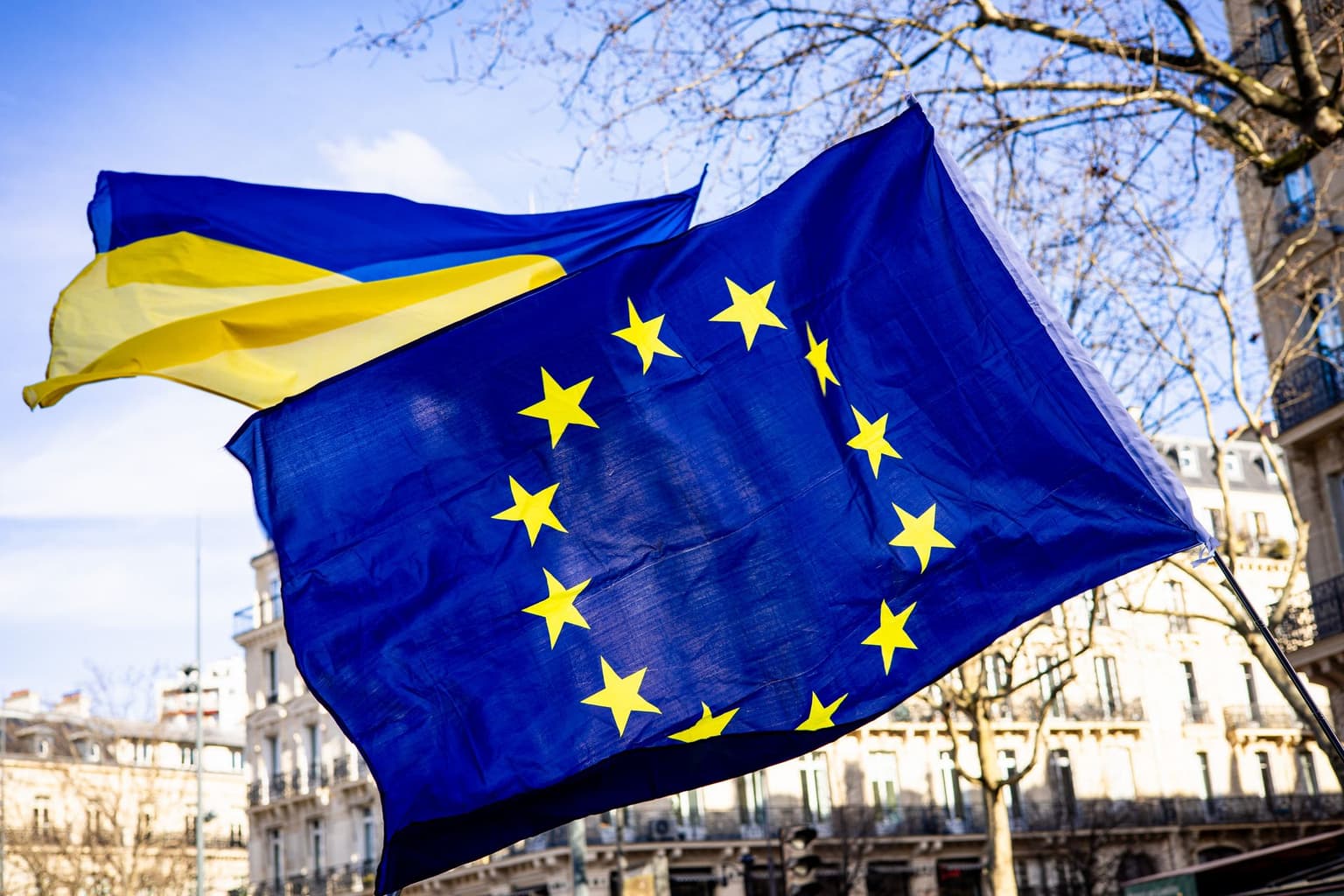
All 27 EU member states formally agreed on June 15 to open the first accession negotiation cluster with Ukraine and Moldova, the European Commission announced.
"Today, we're launching talks on the backbone of the accession process: including justice, freedom, and fundamental rights," the statement read. "We've seen the hard work these countries have put in, and we are rewarding it with a clear path forward."
The accession cluster officially opened in Luxembourg during an Intergovernmental Conference on June 15. It marks a key milestone on Ukraine's long path toward membership in the European Union — a path paved by the activists of the 2013 EuroMaidan Revolution and defended by Ukrainians for over 10 years of Russia's war.
President Volodymyr Zelensky called the move a "clear signal that Europe's progress cannot be stopped."
"We believe that one of the strongest responses that Europe can give to Russian attacks and constant acts of aggression is to accelerate our accession process and the opening of clusters," Zelensky said in an address to the EU conference from Chisinau, Moldova, en route to the G7 conference in France.
"It often seems that we always have to fight harder than others to move forward on our path to the EU. Ukraine has earned the right to move faster. And this is precisely the political decision that Europe needs today."
The opening comes less than two weeks after Prime Minister Yuliia Svyrydenko announced on June 4 that all EU member states had given the green light to open the first cluster of accession negotiations, following an agreement between Kyiv and Budapest.
While Ukraine formally launched talks with the EU in June 2024, not a single one of the six negotiation clusters had begun — primarily due to obstruction by former Hungarian Prime Minister Viktor Orban.
Orban staunchly opposed Kyiv's accession and wielded his veto power in the bloc to hold up aid for Ukraine, sanctions against Moscow, and advancement toward EU membership.
Orban's defeat by Peter Magyar in Hungary's 2026 parliamentary elections cleared the way for new negotiations. Magyar announced on June 3 that Kyiv and Budapest had reached an agreement on the rights of Ukraine's Hungarian-speaking minority, the main hurdle to launching the talks.
EU and national diplomats previously told the Kyiv Independent that they expect the sixth cluster, on "external relations," to open without problems as well.
There could additionally be progress on clusters two and three, which cover broad economic issues. An EU document seen by the Kyiv Independent suggests cluster two, on the internal market, could also open.
However, one EU official said that they doubt cluster two would open due to the war, making it hard to allow the free movement of goods and people.
In his address on June 15, Zelensky urged EU officials not to delay Ukraine's accession process.
"We are ready to open all clusters," he said.
"We have done our work. Everyone in Europe knows this. So let's move forward with the opening of clusters without delay — the remaining five clusters after today's opening of the first one."