Irish EU presidency scores quick win for Ukraine and Moldova membership paths
 on Google
BRUSSELS, Belgium — Moldova and Ukraine were each given the green light on their respective next steps towards EU membership at a meeting of civil servants on July 3, two EU diplomats told the Kyiv Independent.
During the meeting, an agreement was reached to invite Kyiv and Chisinau to submit their negotiating positions on another one of the six enlargement clusters — to-do lists of reforms that a country must complete to join the bloc.
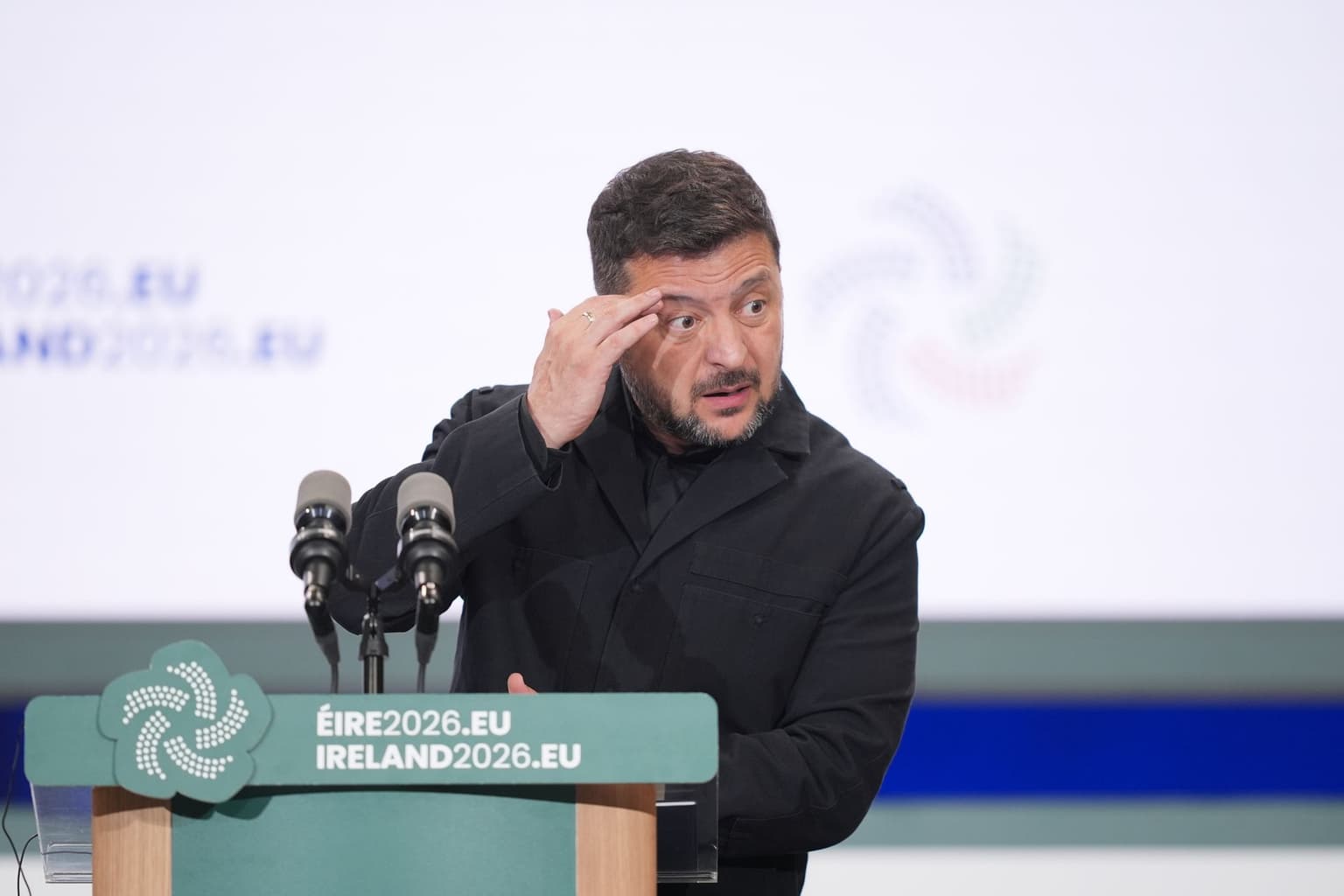
The news comes as Ireland assumed the EU's six-month rotating Council Presidency on July 1, with Irish Prime Minister Micheal Martin stressing that advancing EU integration would be the priority.
While the first negotiation cluster was opened in mid-June, Hungary had been blocking the sign-off on taking that step for any further clusters, putting a definitive end to hopes that Ukraine might fast-track its EU accession process.
The cluster currently under discussion concerns "external relations," considered an easier aspect of the integration process for Ukraine and Moldova, as it covers only foreign policy alignment and avoids contentious topics such as industrial and agricultural competition with existing EU member states.
Once formally through, that would mean Ukraine and Moldova each have two clusters unlocked.
Assuming Kyiv and Chisinau promptly submit their negotiation positions, EU ambassadors and ministers of the 27 EU countries must formally agree that the two countries are ready.
Once they do, a formal signing ceremony, an "Intergovernmental Conference," is held, which, for the latest round of progress, is expected to take place on July 14.
For the remaining four clusters, Ukraine and Moldova have been technically ready to open them for several months, according to the European Commission.
However, the decision to advance is for EU countries to take unanimously, and a whole range of potential blockages remain.
Chief among those blockages are fears of Ukraine's relative economic strength in certain sectors, such as agriculture, and the remaining clusters address topics specifically related to Kyiv's economic relationship with the EU.