Ukraine, Russia 'negotiating' another Oleshky-style humanitarian mission, Lubinets says
 on Google

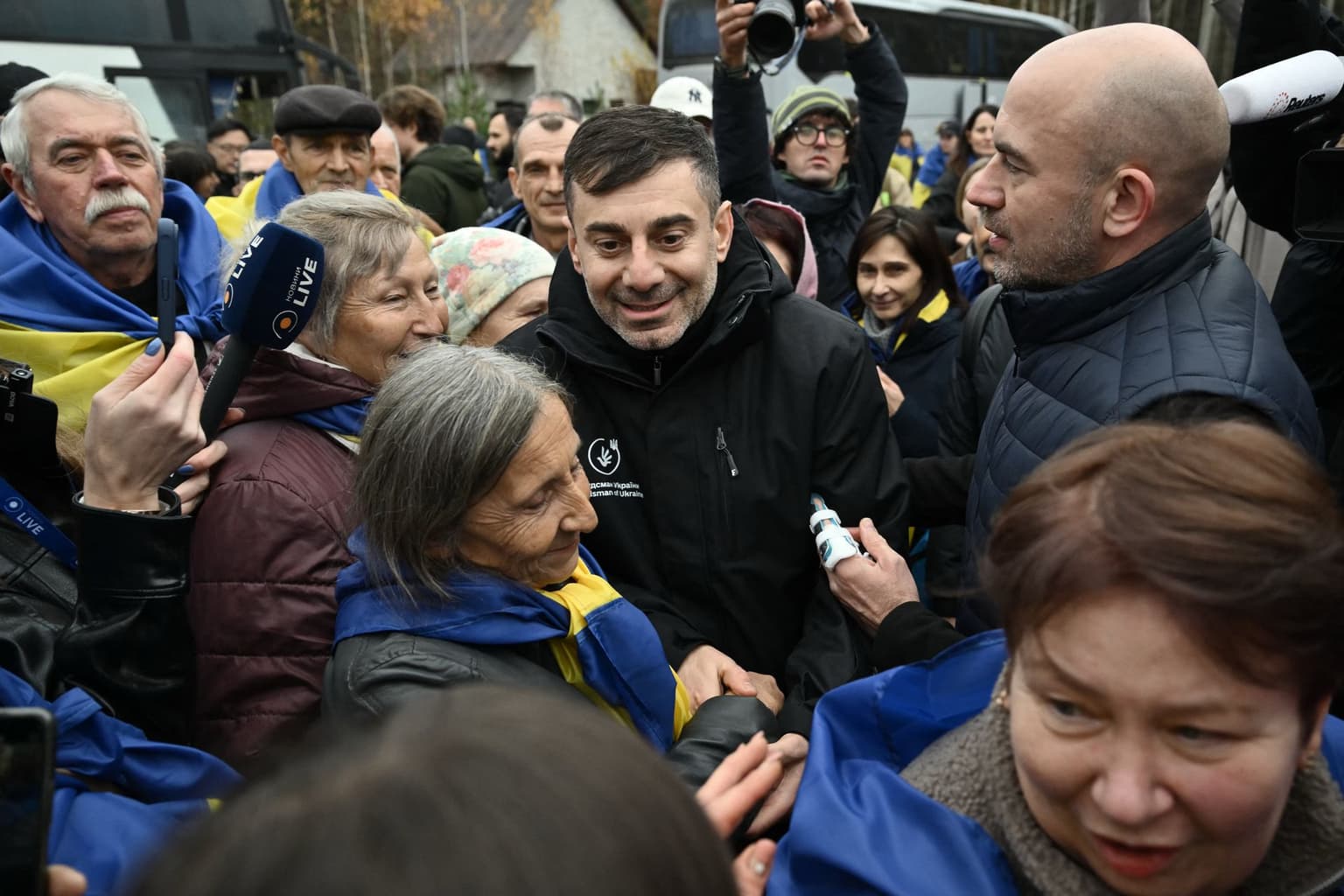
Ukraine and Russia, with U.S. mediation, have been negotiating a new humanitarian mission modeled on the recent operation in Russian-occupied Oleshky, Ukrainian human rights ombudsman Dmytro Lubinets said on Nov. 18.
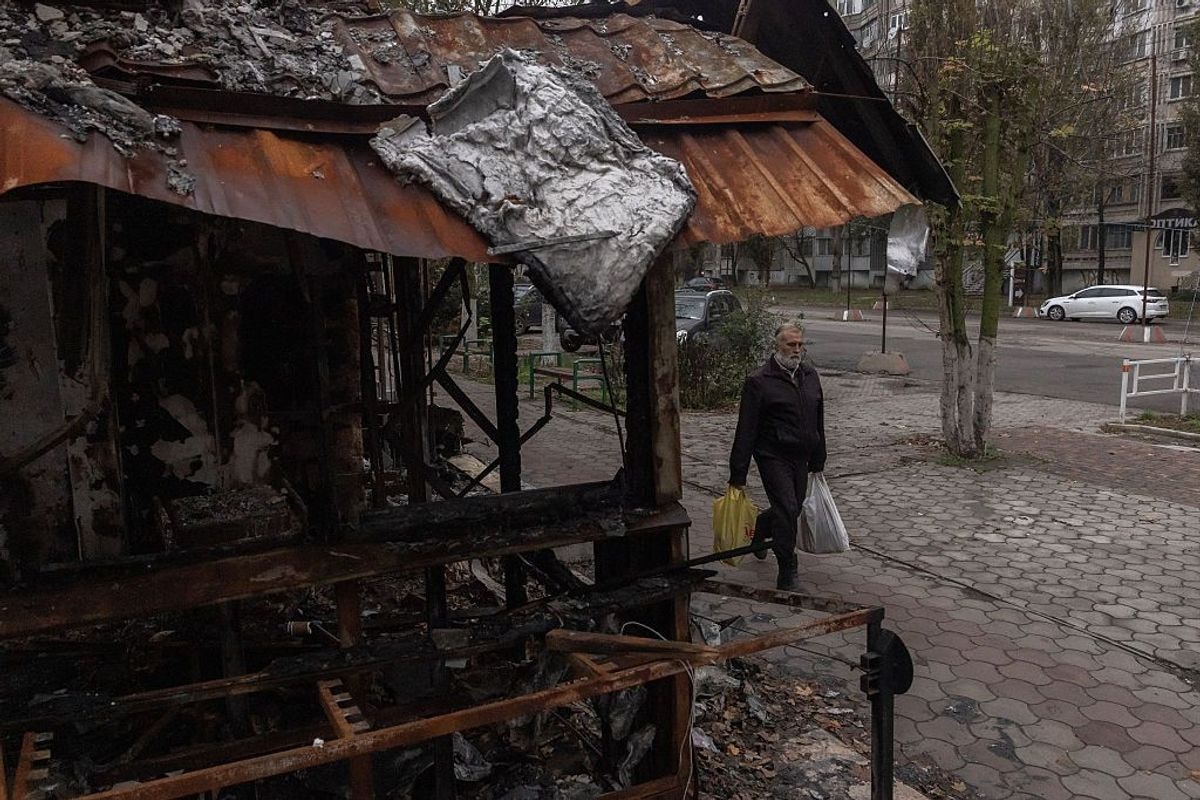
The current discussions focus on Russian-occupied parts of Kherson Oblast, particularly Oleshky and the surrounding community, where people remain and continue to face severe shortages of food, water, and medicine
Speaking on national television, Lubinets described the situation there as close to a "humanitarian catastrophe."
"And in my view, we need to find the quickest possible way to either allow people to leave this area or to get humanitarian aid to them," he said. "So these negotiations are ongoing. I don’t know how easy it will be for us to agree on the next humanitarian mission, but in any case, we have taken the first step — which is always the hardest.
"Our primary goal is to rescue our citizens — this is what we did in Oleshky and what we will continue to do," he added.
Kherson Oblast Governor Oleksandr Prokudin said on Nov. 11 that at least 34 settlements in the occupied region are in critical condition. Kherson Oblast was partially occupied at the beginning of Russia's full-scale invasion in 2022.

Lubinets said that negotiations with Russia remain "difficult" and "quite cynical," but he believes the Russian side was prepared to discuss further missions, given Ukraine's previous experience of working with Russian Human Rights Commissioner Yana Lantratova.
The ombudsman added that the possibility of continuing such missions had also been discussed during the meeting with Melania Trump at the White House on Nov. 5.
Lubinets stressed that a second mission should primarily focus on Kherson Oblast, while the expansion of the format to neighboring regions, such as Zaporizhzhia Oblast, remained under discussion.
Ukraine also proposed an Oleshky-like humanitarian operation in 10 more Russian-occupied settlements in Kherson and Zaporizhzhia oblasts, President Volodymyr Zelensky said on Nov. 17 after a trilateral meeting in Abu Dhabi.
read also
Russian President Vladimir Putin recently proposed a similar humanitarian mission in the eastern Ukrainian front-line city of Kostiantynivka, claiming Russian forces had full control over the city.
Lubinets said the proposal had never been discussed with the Russian side and that he did not consider a mission in Donetsk Oblast feasible under the current battlefield conditions.
The recent comment came after a successful humanitarian operation in Oleshky, during which a ceasefire was arranged to allow civilians to receive aid and safely leave Russian-occupied territory.
Lubinets said the operation demonstrated that such arrangements were possible after months of negotiations with Russia.
"We are ready to move forward," Lubinets said.