The current approach to peace talks won't end Russia's war in 2027
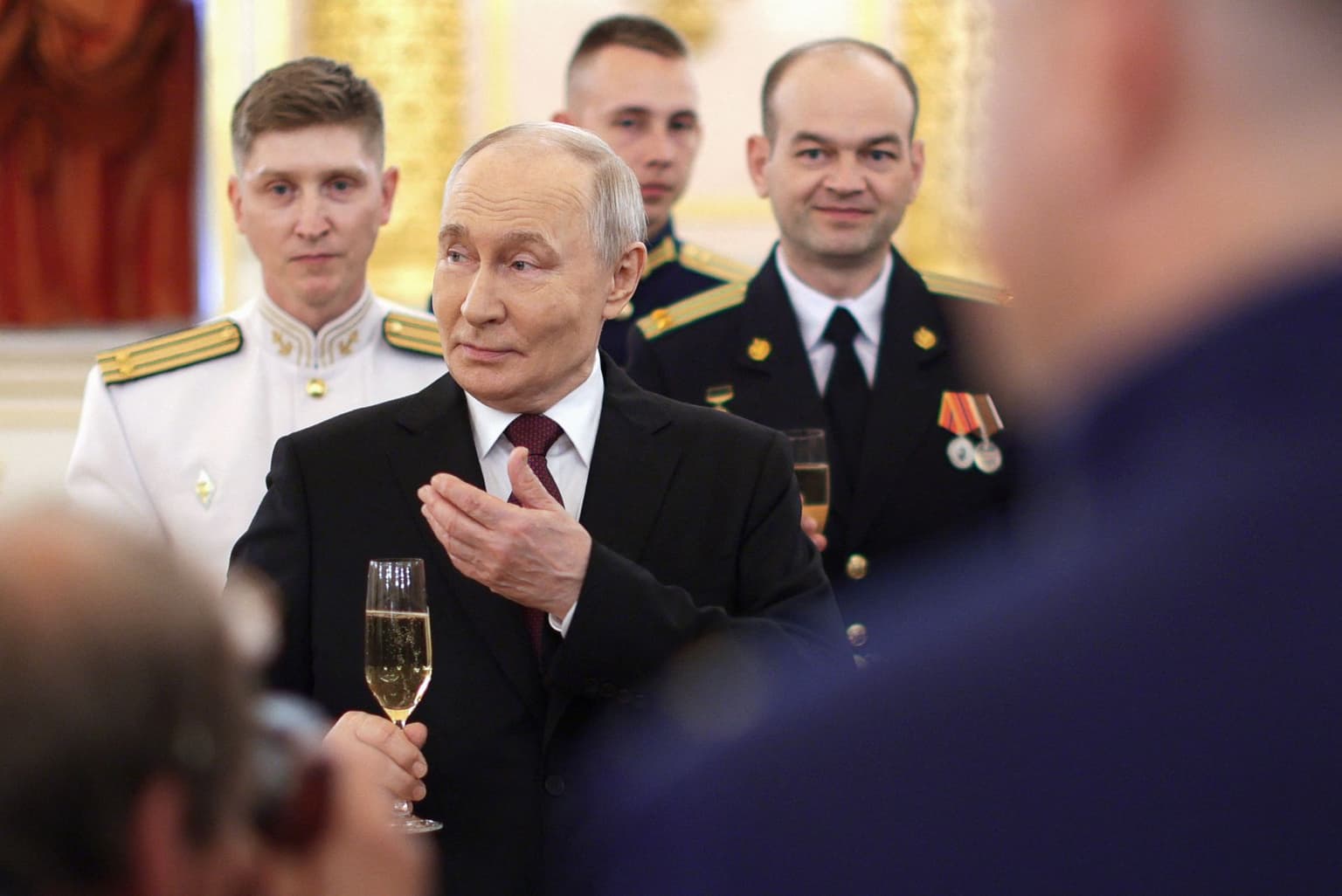
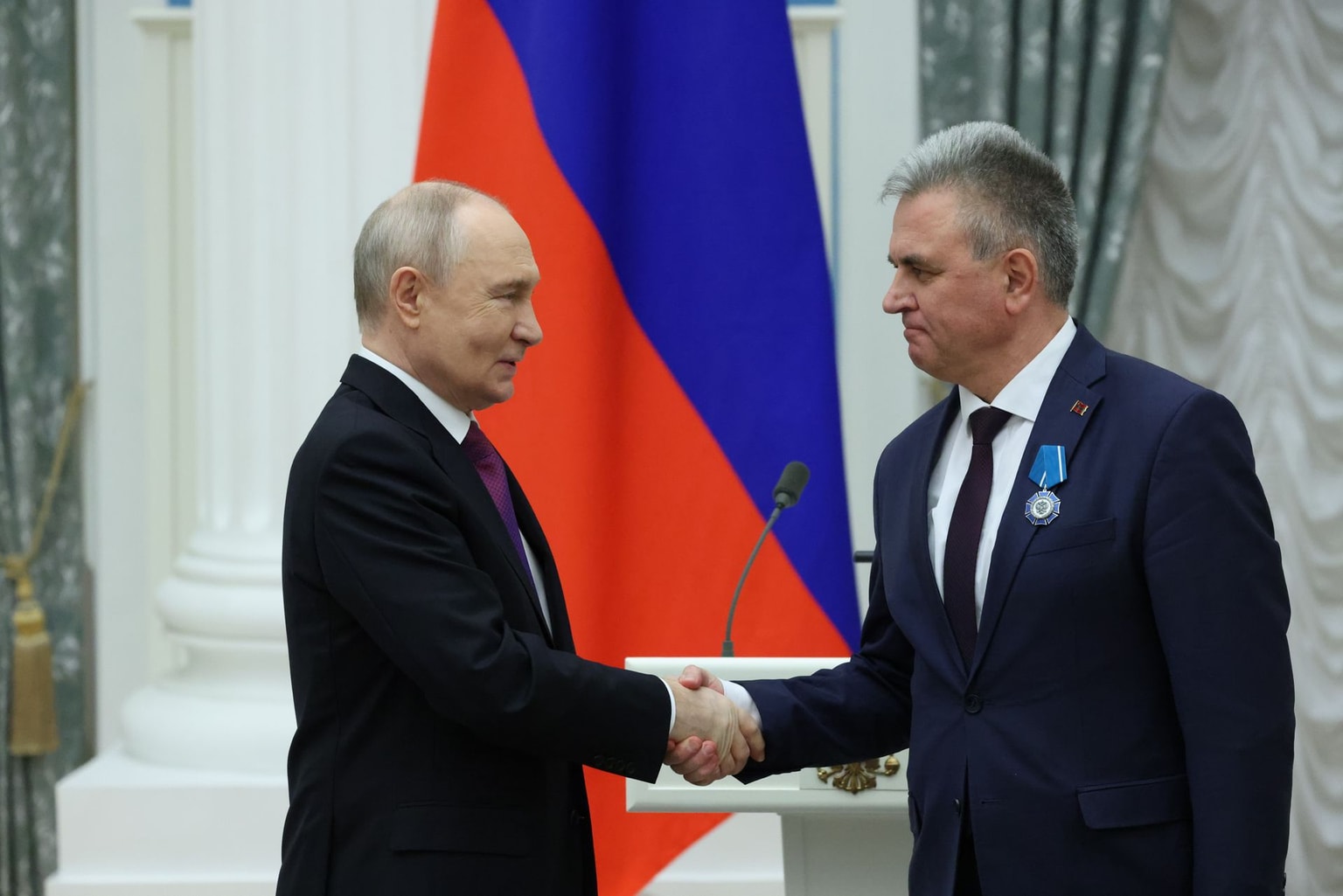
Russian President Vladimir Putin holds a glass during a meeting with graduates of higher military educational institutions at the Kremlin in Moscow, Russia, on June 23, 2026. (Gavriil Grigorov / Sputnik / AFP via Getty Images)
 on Google

William Dixon
Senior associate fellow at the Royal United Services Institute
On paper, last week looked like diplomatic progress.
U.S.-mediated talks in Abu Dhabi yielded an agreement in principle for a 1,000-for-1,000 prisoner exchange. Washington's envoys left, claiming momentum, and European leaders gathered in Dublin to assemble a joint negotiating team so Europe could finally take its seat at the next round.
In reality, Kyiv and its allies are walking once again into a carefully laid Kremlin trap.
For Moscow, participating in negotiations while refusing to budge on maximalist demands is not a negotiating position on the path to a compromise. It is a tactic designed to fracture Western unity and buy time on the battlefield. A playbook Ukraine has seen before in Istanbul in 2025.
Russia's position in Abu Dhabi did not move an inch from what it said in those meetings. Ukraine must surrender four entire regions, including territory Russian forces have failed to capture, renounce NATO, and demilitarize.
Worse, Russian negotiators claimed they had no mandate even to discuss halting strikes on Ukraine's energy grid or de-escalating in the Black Sea. Negotiations are, in effect, backward.
These are not serious negotiating positions for a country that has failed to achieve any of its military objectives, amidst surging casualties and major domestic fuel shortages. Western diplomats know this.
"Putin cannot afford genuine negotiations because his autocratic regime now depends on war more than any compromised peace terms Europe can offer."
Yet coming to the table this week has given the Kremlin concrete advantages without requiring a single real diplomatic concession.
First, it drives a wedge between Washington, Kyiv, and Europe. By showing up in Abu Dhabi and offering symbolic gestures, such as a prisoner swap or a localized five-day "humanitarian" ceasefire in Kostyantynivka, Putin presents himself to the White House as the reasonable party.
When Ukraine and European capitals inevitably reject demands that amount to capitulation, Moscow aims to convince Washington that Kyiv and Brussels are the real obstacles to peace.
Even the demand that Europe speak with one voice has already sparked public friction in Dublin over who gets to represent the continent. It is designed to slow collective decision-making when Ukraine needs it most.

"Putin’s real strategy for 2027 is not being negotiated in Abu Dhabi. It is being waged on Ukraine’s power grid and across European politics."
Second, talking without an upfront truce shifts the "Overton window" at no military cost.
By tabling maximalist proposals, from pulling NATO troops out of the Baltics, forcing Finland out of the alliance, to federalizing Moldova, Moscow successfully reset the baseline of debate.
Concepts unthinkable in Western capitals a year ago, such as negotiating a new European security architecture, are now treated as legitimate agenda items.
Meanwhile, localized truce proposals like Kostyantynivka are designed not to save civilians, but to halt Ukrainian fire so Russian troops can clear mines and regroup for a push toward Druzhkivka.
Third, diplomatic theater stalls Western resolve.
Active talks make it politically harder for Washington and European governments to pass new sanctions or provide further military aid to Ukraine out of fear of "derailing" a fragile process.
At the same time, high-level meetings with U.S. envoys break Putin's isolation, allowing him to project strength at home and across the Global South as a superpower negotiating Europe's fate on equal terms with Washington.
Most fundamentally, Putin cannot afford genuine negotiations because his autocratic regime now depends on war more than any compromised peace terms Europe can offer. Having staked his legitimacy on subjugating Ukraine, and having just pushed through a 27% surge in military spending for 2027, Putin knows that any settlement short of victory would expose the staggering human and economic cost of the invasion.

In addition to military escalation, Moscow's rhetoric on Ukraine's European future has hardened: where the Kremlin once claimed indifference to Kyiv's EU aspirations, Security Council deputy chair Dmitry Medvedev explicitly declared this spring that Moscow must abandon its tolerance of EU enlargement, branding Brussels a hostile military-economic bloc.
Putin's real strategy for 2027 is not being negotiated in Abu Dhabi. It is being waged on Ukraine's power grid and across European politics.
By pairing relentless winter strikes on critical infrastructure with sabotage and disinformation across the continent, Moscow hopes to exhaust Ukraine while seeking to boost Kremlin-friendly voices in European capitals.
"Until Moscow faces sustained military and economic crises rather than more diplomatic validation, Abu Dhabi and any new talks will remain a smokescreen for another year of war."
Next year is a pivotal 12 months of political contests. Four of the five largest EU countries go to the ballot, starting with France's Spring presidential election. For the Kremlin, the prospect of a Putin-friendly Marine Le Pen in the Elysee Palace could decisively move the political balance in Russia's favor.
Giving Europe a seat at the next round of talks will not change that calculation unless European leaders refuse to play on Russia's terms.
The European negotiating team must not walk into the next meeting debating Moscow's wishlist for dismantling post-Cold War Europe. Kyiv's allies should state clearly that Europe's security architecture is non-negotiable, refuse localized Russian truce ploys, and make any broader diplomatic track conditional on an immediate, verifiable halt to strikes on Ukraine's energy infrastructure.
Until Moscow faces sustained military and economic crises rather than more diplomatic validation, Abu Dhabi and any new talks will remain a smokescreen for another year of war.
Editor's note: The opinions expressed in the op-ed section are those of the authors and do not purport to reflect the views of the Kyiv Independent.