EU launches new sanctions office, appoints official to analyze and enforce Russia restrictions
 on Google

BRUSSELS, Belgium — The European Commission officially created a dedicated sanctions office on Nov. 18 and announced a new sanctions envoy who will head it from February onwards.
The office was previewed on Nov. 6 and is considered essential as the focus of EU sanctions policy on Russia shifts from identifying new companies to list, to helping ensure sanctions are properly enforced in Europe and in third countries.
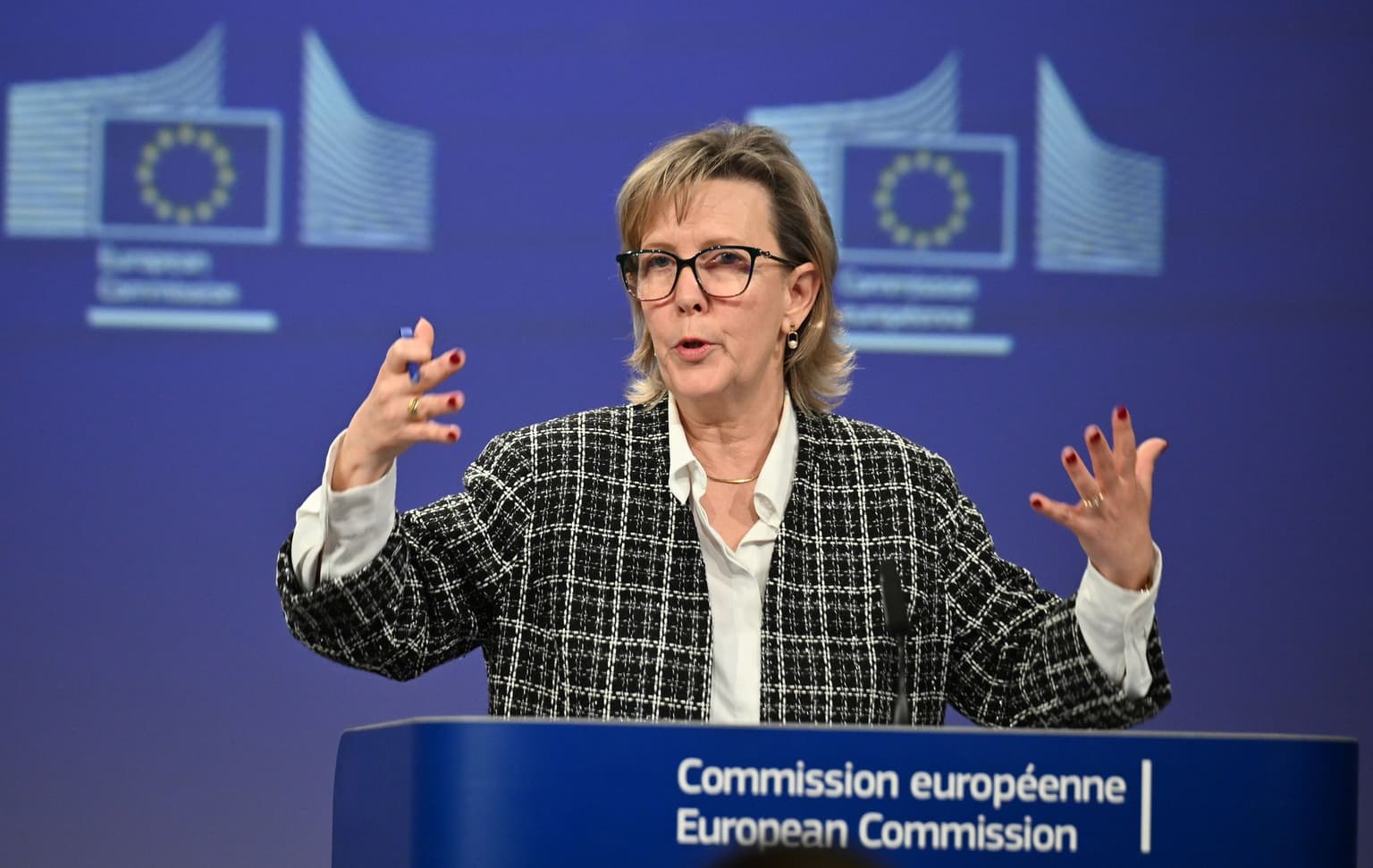
"Working closely with Member States and international partners, we will reinforce implementation, close loopholes, and prevent circumvention," the EU's Finance Commissioner Maria Luis Albuquerque, said in a press release.
The Commission also announced that a new sanctions envoy, the longstanding Swedish diplomat Lars Danielsson, will head the office starting from Feb. 6, 2027, at which point the current sanctions envoy, David O'Sullivan, will end his term.
O'Sullivan, himself a lifelong diplomat, was called on by the EU to specifically head the EU's sanctions policy against Russia in the wake of its 2022 full-scale invasion of Ukraine.
He is considered the mastermind behind all the measures that the bloc has passed against Russia since then, which together constitute the biggest sanctions regime worldwide.
For that work, he was awarded Ukraine's Order of Merit in July 2026.
When Danielsson takes over the role, the office will have an expanded remit to include the EU's other sanctions regimes against countries such as Iran and North Korea.
A senior EU official told the Kyiv Independent that he expects additional staffing to help the sanctions office do its work.
Instead of the roughly 45 people scattered across the EU machinery in Brussels and informally coordinating their work, the office is expected to have 50-60 staff working together, once it is fully up and running.
With that additional staffing, the EU official explained that the sanctions office will be able to do more in terms of analysis and enforcement when it comes to EU sanctions against Russia and other countries.
Now, it is hoped that the office will be able to properly scrutinize the many carve-outs requested in sanctions by the 27 EU countries, closely monitor sanctions breaches that take place at the national level, and provide more technical assistance to EU countries needing help.
And, the EU official explained that by centralizing sanctions work into one office, the envoy is likely to be taken more seriously when they visit third countries to persuade them to enforce sanctions, for example in Central Asia and the Middle East.