'The goal was to halt aid to Ukraine' — Russia planned high casualty false-flag attack near Kaliningrad border, Rzeczpospolita reports
 on Google

Russian intelligence services were preparing a sabotage and false-flag operation near Poland's border with Russia's Kaliningrad exclave in late October or early November, meant to blame Ukraine for the attack to undermine Western aid to Kyiv, Polish newspaper Rzeczpospolita reported on Nov. 18.
The plan reportedly involved breaching and crossing the border and staging an attack on a facility, including on the territory of the Russian Federation itself, according to Rzeczpospolita, citing high-ranking officials familiar with a preventive operation conducted by Polish security services over the past two weeks.
Russian operatives reportedly anticipated a high number of casualties.
"It was supposed to resemble something like the Gleiwitz incident," one of the sources told Rzeczpospolita. "The goal was to halt aid to Ukraine."
In the 1939 Gleiwitz incident, Nazi Germany staged a false-flag attack on a German radio station as a pretext for invading Poland.
The reported plot comes amid growing concerns over Russia's expanding hybrid warfare campaign across Europe, with incidents including sabotage, cyberattacks, and drone incursions. Ukrainian military intelligence warned in October that Moscow had tasked its security services with increasing hybrid operations in EU and NATO countries.
Russia has been trying to take advantage of strained Polish-Ukrainian relations, fuelled by disputes over historical memory, including Ukraine's recognition of figures linked to the Ukrainian Insurgent Army (UPA), which is associated with the 1943 massacres of Poles in Volhynia.
The warning came from partner intelligence services, while Polish intelligence analysts had also identified the possibility of a provocation along the border, the newspaper reported. Similar warnings were reportedly shared with the security services of Lithuania, Latvia, and Estonia.
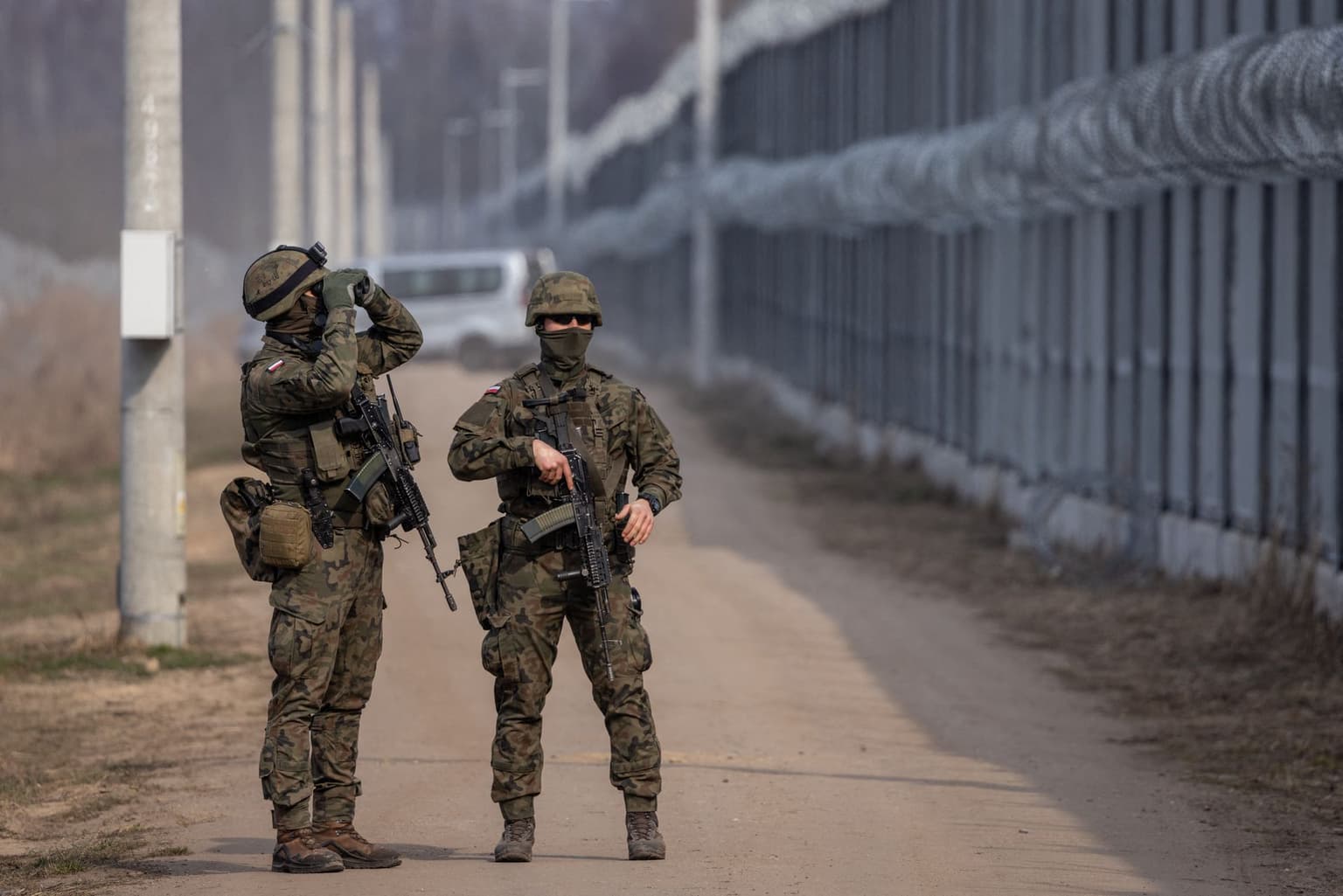
As part of the response, Poland deployed around 180 riot police officers and a counter-terrorism unit to the border area, Rzeczpospolita said. Border Guard posts and police stations were reinforced, additional Internal Security Agency (ABW) personnel were sent to the region.
Poland's special forces units GROM, NIL, and AGAT also held exercises in the Warmian-Masurian region, which borders Russia's Kaliningrad exclave, according to the report.
Polish media reported on Nov. 2 that Poland had deployed police counterterrorism units near Russia's Kaliningrad exclave following intelligence warnings of possible sabotage.
The units were working alongside the military, border guards and intelligence services in the Warmian-Masurian and Podlaskie regions of northeastern Poland, national police chief Marek Boron told Polish news outlet RMF FM.
A special command center had been established at the National Police Headquarters, with additional officers deployed from several regions.
According to RMF FM, Polish military intelligence and allied intelligence services warned that acts of sabotage could occur near the Russian border, potentially including incursions by armed groups.
Tomasz Siemoniak, Poland's minister-coordinator of special services, confirmed to Rzeczpospolita that security measures had been taken near the border in recent weeks, but declined to disclose details. "If we took certain steps, it is because we determined that there was a real threat," Siemoniak said.