Ukraine heads for first economic decline since 2022 as Russian strikes take their toll
 on Google


Intensified Russian attacks on Ukrainian businesses have pushed the economy into decline for the first time since 2022’s invasion shock, choking key industries as inflation hits a three-year high.
Ukraine’s National Bank said on Oct. 29 that the country’s economy will shrink by 0.4% this year, after revising its previous forecast of 1.8% growth. The last time Ukraine’s economy contacted was the year of Russia’s full-scale invasion, which saw its gross domestic product (GDP) plummet by an astonishing 30% before gradually recovering the following year.
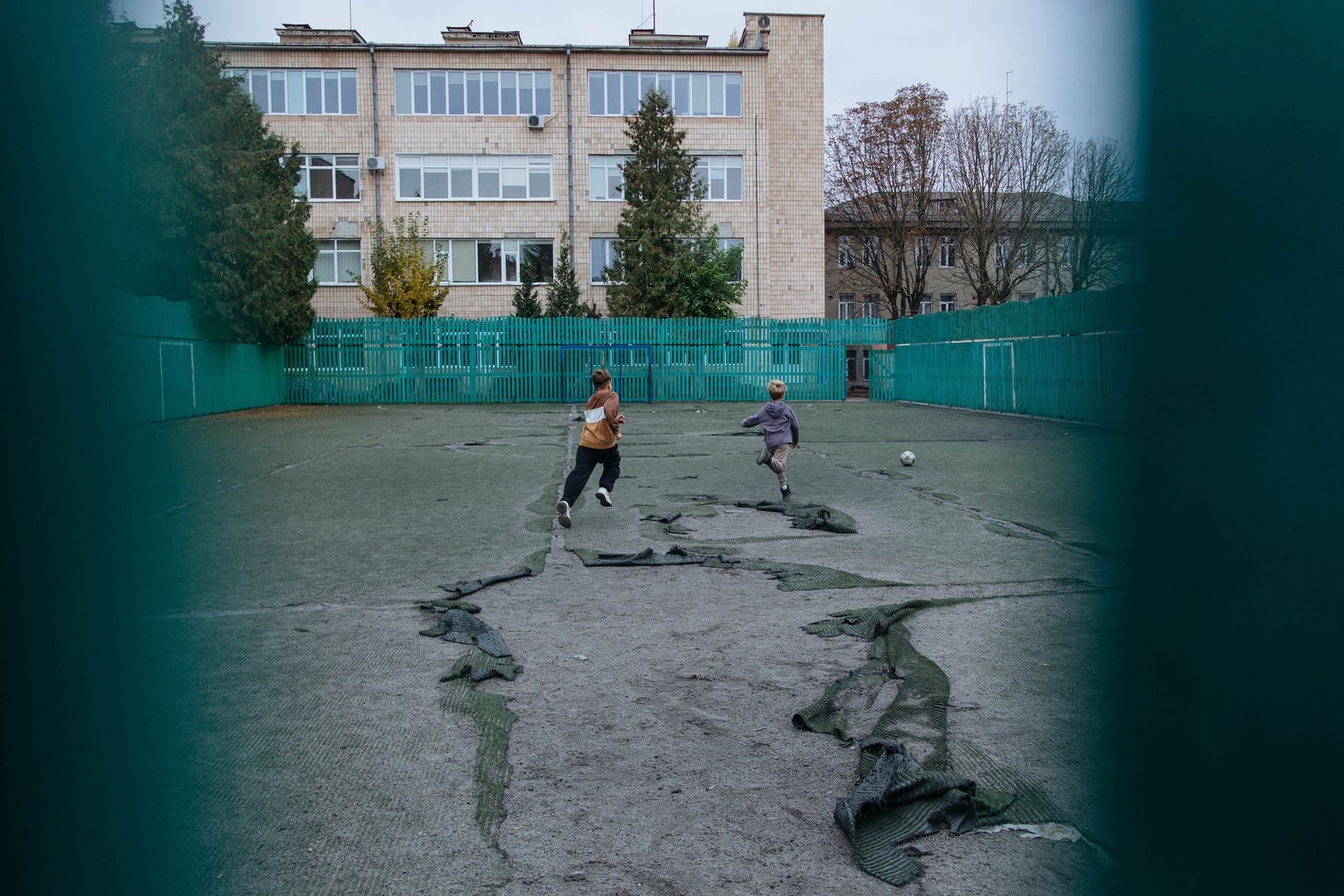
The bank said the decline was caused by Russia’s months-long blockade of seaports and escalating attacks on logistics and production facilities. The metallurgy industry has particularly suffered, with steel production shutting down across the country amid the heightened risk of deadly Russian strikes.
Meanwhile, Ukraine's Agriculutral Ministry said that farmers wont see any profits from crop production this year, as they cannot export goods via the Black Sea, while costs for autumn sowing, fuel, fertilizers, and land rental payments have increased.
The attacks, combined with the fuel crisis caused by the war in the Middle East, have also caused inflation to surge to double digits, jumping to 10% in September, the bank said.
The NBU predicts that annual inflation will reach 12.5% by the end of 2026 — a three-year high. To help cool the economy, the bank hiked its benchmark interest rate from 16% to 16.5%, the highest level since October 2023. The rate is expected to remain in place until spring 2027, the NBU said.
"Taking the consequences of the destruction into account, the NBU forecasts a slow recovery in economic growth in 2027-2028," the bank said.
"Economic activity will be supported, in particular, by public and private investment in the defense industry, the localization of weapons production financed through the Ukraine Support Loan, and projects to restore critical infrastructure."
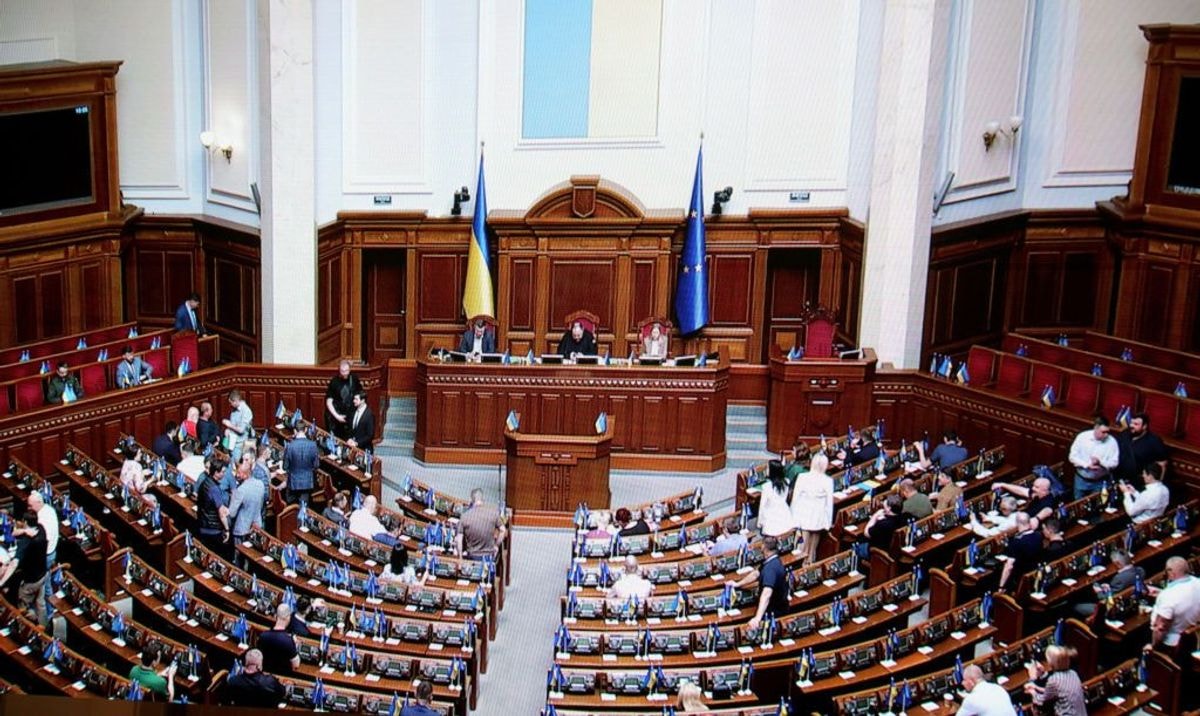
The bank predicts that next year, Ukraine’s foreign partners will provide $52 billion in direct budget support and $37 billion for defense needs through the EU’s Ukraine Support Loan program, after the country passed several laws this month to unlock funding from the EU and the International Monetary Fund (IMF).
The funding will help Ukraine cover core budgetary needs, although the country faces a projected deficit of nearly Hr 1.7 trillion ($37 billion) next year.
This year has been one of the hardest for Ukraine’s economy, with businesses expected to lose some $10 billion in the wake of the attacks, creating a Hr 70 billion ($1.5 billion) tax shortfall.
As Russia shows no sign of slowing its attacks, the country is adapting to a new phase of the war. Ukraine’s Economy Ministry is developing support programs for companies, including a multibillion-dollar war risk insurance fund to help cover businesses starting in January.