Russian captain charged with stealing Ukrainian grain from occupied territories
 on Google

The captain of a Russian cargo ship has been charged in absentia in connection with illegally transporting over 54,000 metric tons of stolen grain from Ukraine's occupied territories, the Prosecutor General's Office and the Security Service (SBU) said on Oct. 19.
This marks the first time such action will be considered a war crime by Ukraine's Prosecutor General's Office.
The captain was charged with violating the procedure for entering and exiting occupied territories with intent to harm the interests of the state, and violating the laws and customs of war.
According to the investigation, the vessel, "Matros Pozynich," made two shipments between 2022 and 2023, when Russian forces seized grain from Ukrainian farmers in Crimea.
Acting Prosecutor General Anton Kovalskyi said that "a legal framework has been established and applied in practice that allows for the captain's participation in the removal of grain – illegally seized in the occupied territory – to be classified as a war crime."
The shipments, totaling roughly 27,000 metric tons each, departed from the temporarily occupied city of Sevastopol for the port of Latakia in Syria.
According to the SBU's statement, the vessel's captain was taking orders from top Russian officials that violate parts of the Geneva Convention, specifically the prohibition of looting property from occupied territories.
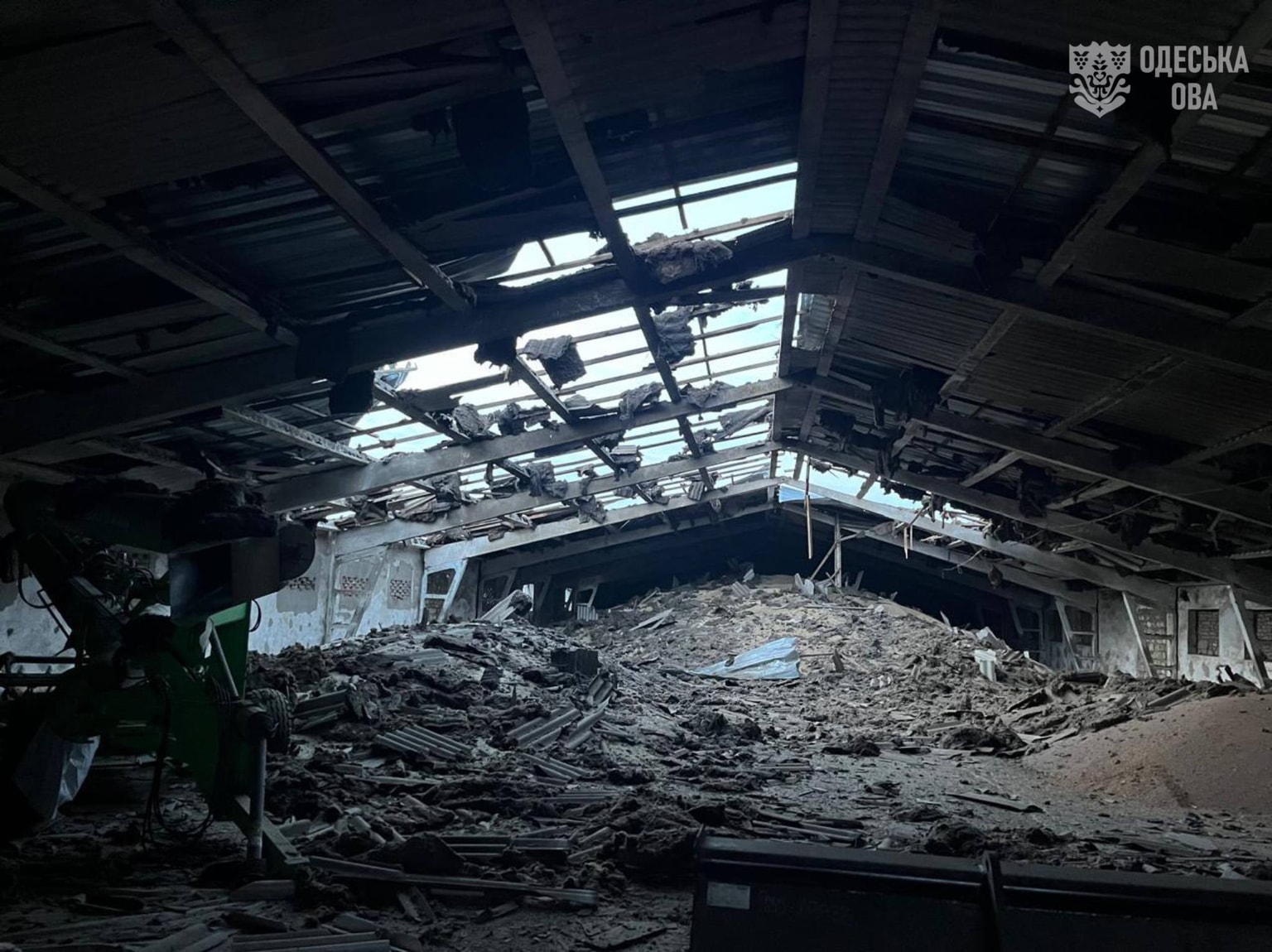
Safe and reliable grain export in the Black Sea has been one of the key topics of discussion, as constant Russian attacks on Ukraine's ports put around 32 million tons of agricultural products worth approximately $10 billion at risk, according to Ukraine's Agriculture Ministry.
"We are making maximum use of alternative routes — the Danube, rail, and road transport. But they cannot fully replace maritime exports. Without the restoration of stable shipping through the Black Sea, production will begin to decline in the long term," on Oct. 14 Taras Vysotskyi, Agriculture Minister, said in conversation with Turkish Ambassador to Ukraine Fatma Ceren Yazgan.