Russia-friendly Yotova wins Bulgaria's presidential runoff
 on Google

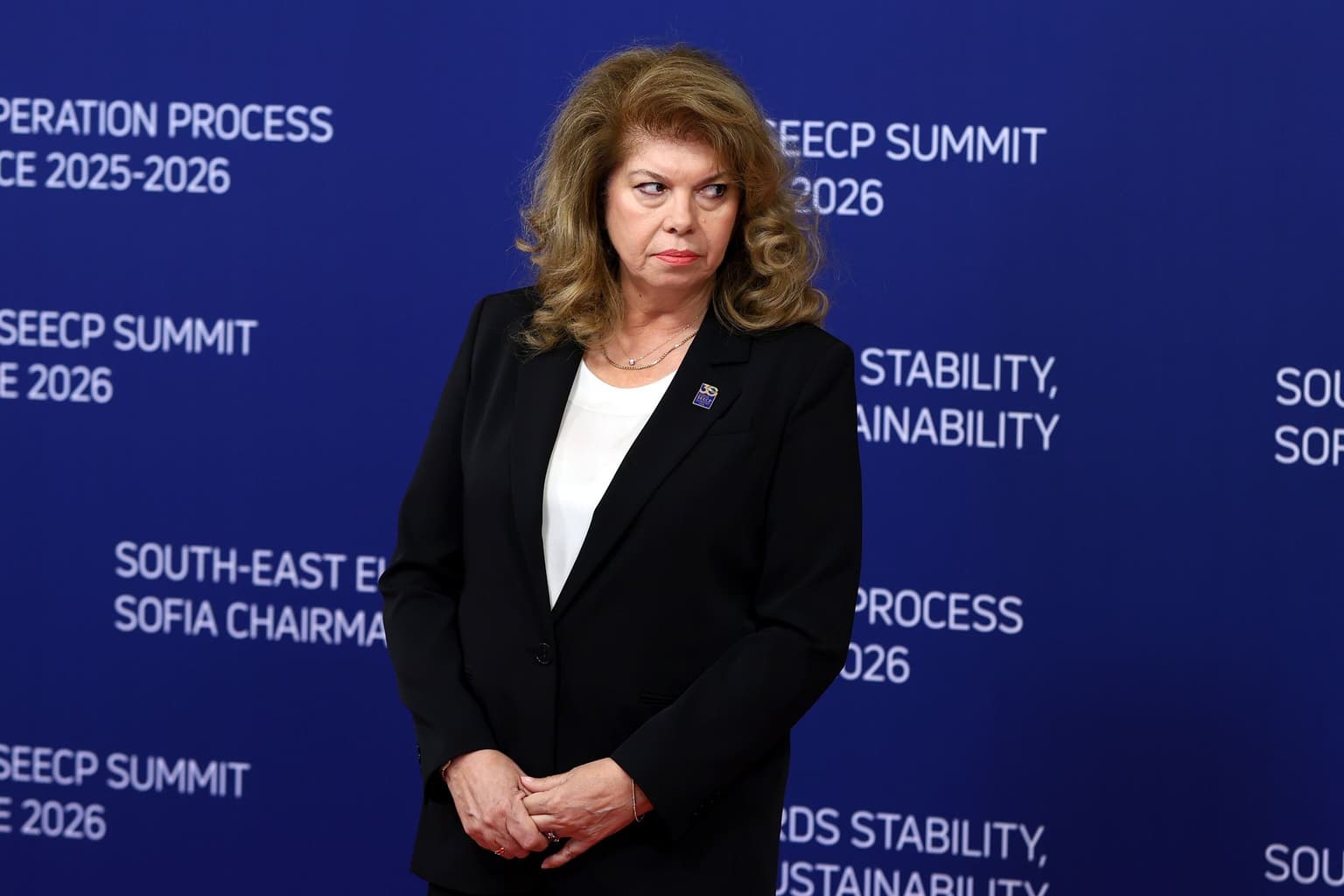
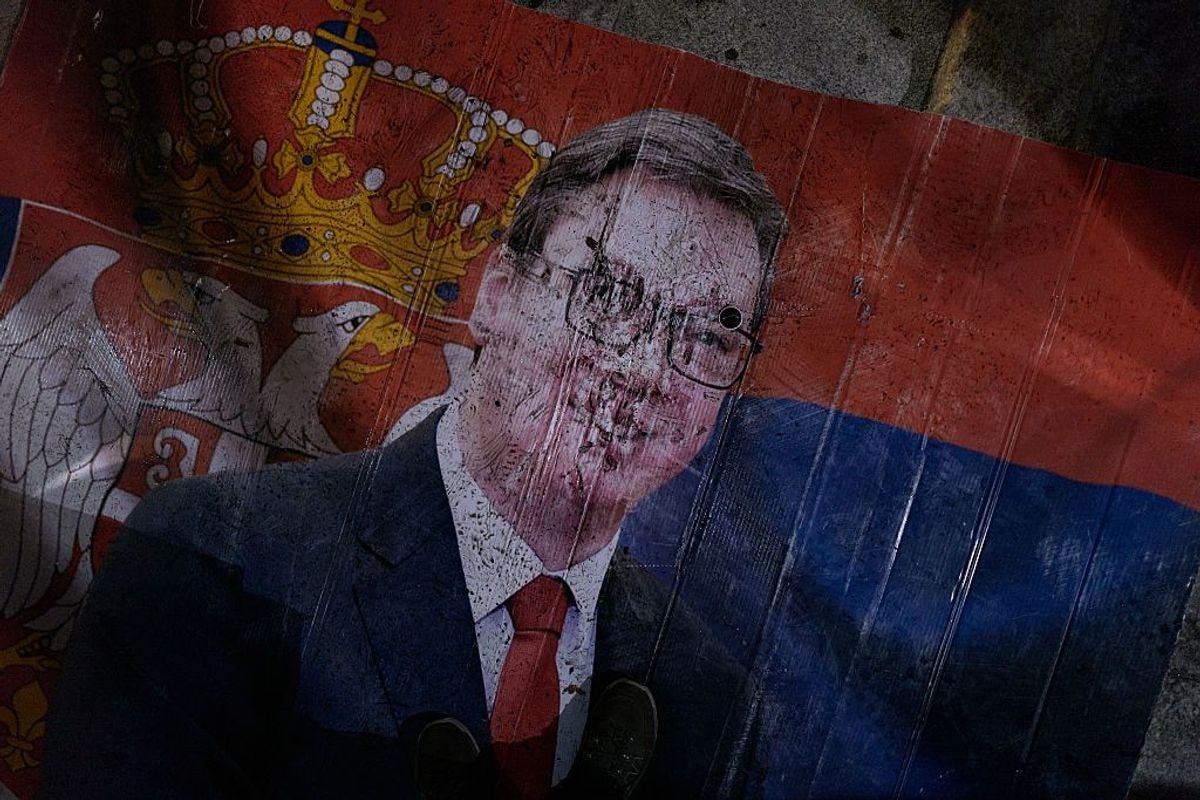
Bulgaria's acting president, Iliana Yotova, has secured a decisive victory in the second round of the country's presidential election, the Bulgarian National Television (BNT) reported on Nov. 2, citing the central election commission.
Yotova, who opposes military aid for Ukraine and calls for a dialogue with Moscow, won 57.58% of the Nov. 1 vote, with 99.95% of the polling station protocols processed.
The ticket of her pro-Ukraine, pro-Western opponent, former Prime Minister Andrey Gyurov, lost with a significant margin, securing 39.47% of the votes.
Yotova had served as Bulgaria's acting president since January, when her ally, a Kremlin-friendly then-president, Rumen Radev, resigned to lead his party to parliamentary election victory in April and secure the premiership.
The Balkan country's presidents serve five-year terms in what is mostly a ceremonial role, though they can appoint interim governments and veto laws. The veto can be overridden by a parliamentary majority.
Bulgaria, a NATO and EU country, lies at the eastern flank of both blocs and increasingly feels the spillover of the Russia-Ukraine war as alleged Russian drones hit several merchant vessels near its coast in October.
"This is how the Bulgarian citizens have voted," Gyurov said, conceding defeat.
Yotova declared her victory after initial projections showed her in the lead, saying her message had centered around "incomes, peace, and the challenges that lie ahead."
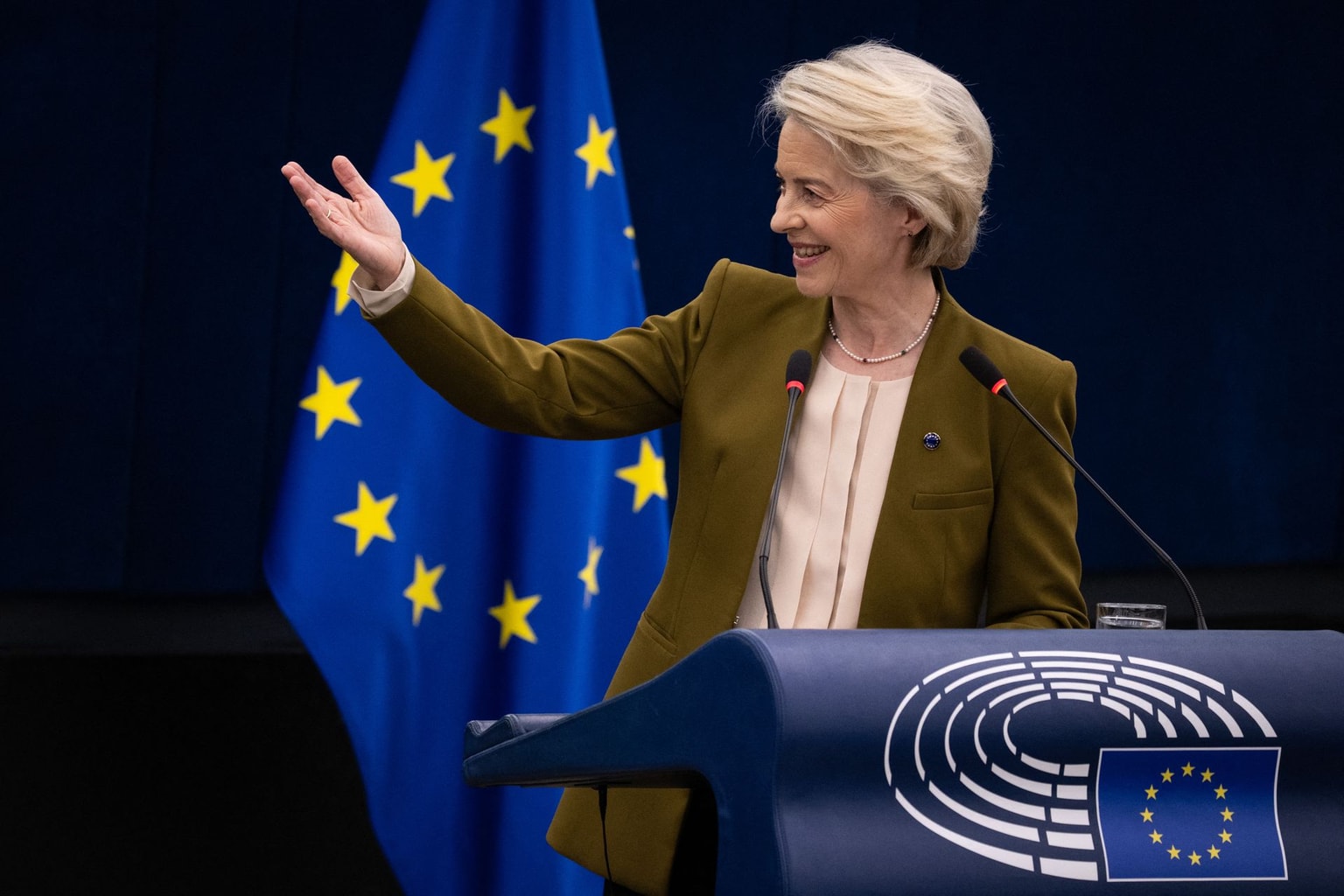
"Congratulations to (Iliana Yotova) on her victory in the presidential elections," European Commission President Ursula von der Leyen said.
"From security and defense to our competitiveness and energy independence, I look forward to continuing our joint work."
The runoff was marked by a low turnout of about 27-29%, only a few percentage points higher than the record low of 23% in the first round held on Oct. 25.
Yotova's victory signals a strengthening of Radev's Ukraine-skeptic foreign policy. The Bulgarian prime minister has ended military support for Kyiv from Bulgarian army stocks and exited the French- and U.K.-led Coalition of the Willing.
The current Sofia leadership has also been reluctant to openly blame Russia for recent drone attacks on merchant vessels near the Bulgarian coast, even as Kyiv pointed fingers at Moscow.