Zelensky says US delays on Patriot missiles are 'difficult to understand' as Russia fires 165 missiles in a week
 on Google



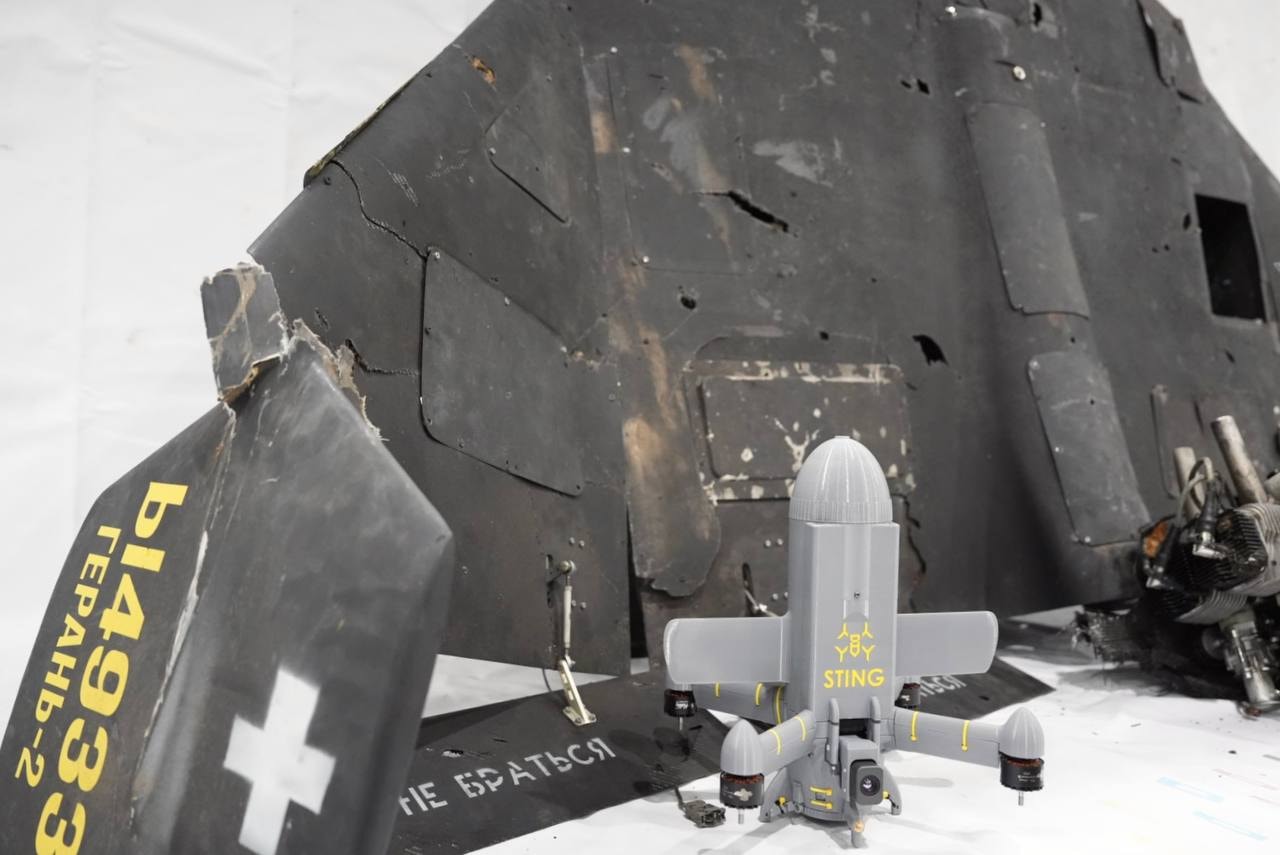
Russia launched around 2,700 attack drones, nearly 1,460 glide bombs, and 165 missiles of various types against Ukraine this week, with nearly every region coming under attack, President Volodymyr Zelensky said on Nov. 22.
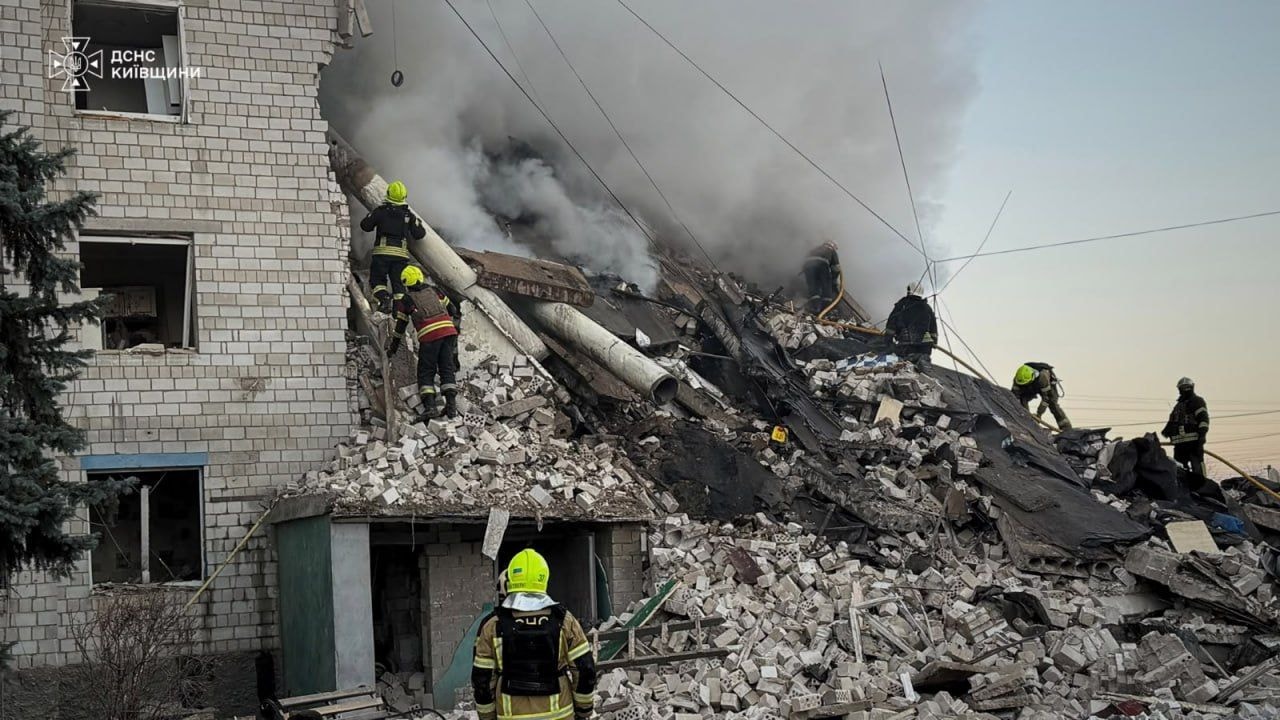
The attacks come as Russia intensifies its campaign against Ukraine's critical infrastructure, particularly energy facilities, as temperatures drop. The strikes have left many Ukrainians without electricity, water, or heating.
Ukraine faces a severe shortage of U.S.-made Patriot interceptor missiles, which can counter ballistic threats, making it harder for the country to defend against successive waves of attacks.
Zelensky again urged Washington to authorize the transfer of Patriot missiles that Ukraine's allies have already paid for via NATO's Prioritized Ukraine Requirements List (PURL) program. Transfers of U.S.-produced Patriot missiles from third countries require authorization from Washington.
"Against this backdrop, it is particularly difficult to understand the delays in the delivery of anti-ballistic systems to Ukraine," Zelensky said in a Telegram post, adding that it was "very important" for the U.S. to approve the transfers. "We need to strengthen our defenses."
Ukraine received an average of 12 Patriot interceptor missiles per month from the U.S. throughout 2026, the Ukrainian president told reporters earlier during a closed-door press briefing.
Zelensky first revealed that the U.S. is stalling supplies of the missiles in mid-October.
A significant portion of the missiles Russia launched this week were ballistic, particularly those supplied by North Korea, Zelensky said. He stressed that Russia is "constantly" helping Pyongyang modernize and improve its weapons by using them against Ukraine.
Moscow has deepened military cooperation with Pyongyang since launching its full-scale invasion of Ukraine, with ties expanding further after Russian forces began using North Korean KN-23 and KN-24 short- and medium-range ballistic missiles. The first confirmed use of a North Korean missile by Russia came during an attack on Kharkiv on Jan. 2, 2024.
Kyiv has particularly faced the brunt of the large-scale attacks, with the latest massive aerial assault involving missiles and drones on the capital hitting three of the city's key bridges.