Russia's chemical weapons may get out of control if we do nothing
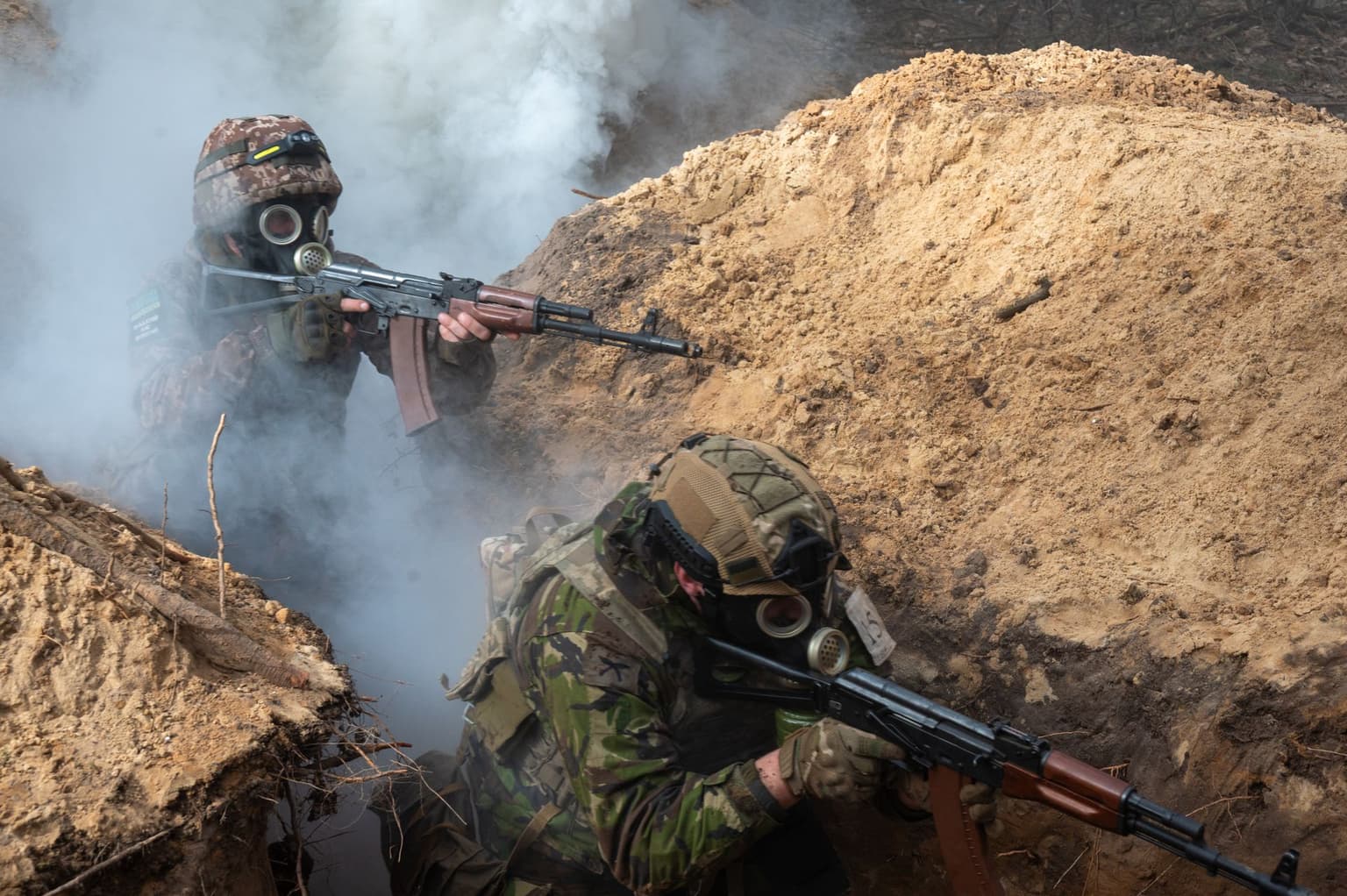
Servicemen of the National Guard of Ukraine undergo training in Kharkiv Oblast, Ukraine, on Feb. 29, 2024. (Stringer / Anadolu / Getty Images)
 on Google
Liubov Tsybulska
Director of NGO "Join Ukraine"
Chemical weapons are something the world formally banned a hundred years ago.
Yet today, Ukraine's Defense Forces have already recorded around 13,000 cases of chemical agents used by the Russian forces on the front lines since the start of the full-scale war. And that number keeps growing.
In April 2024, the U.S. State Department published a document directly accusing Russia of using chloropicrin against military personnel. International media reported on this as well. The Telegraph, in particular, describes the systematic use of banned chemical agents as a tactical element: Russians deploy them to force Ukrainian soldiers out of shelters, then strike with conventional weapons.
The tactic is borrowed from World War I and directly violates international law.
As part of the closed research series "Breaking Russian Chemindustry" in 2024, analysts examined four key toxic choking agents: chloropicrin and phosgene-group compounds (phosgene, diphosgene, and triphosgene).
Chloropicrin is a highly toxic liquid with a sharp, irritating odor that acts simultaneously as a choking and systemic toxic agent. High concentrations cause lung damage, convulsions, and pulmonary edema.
Phosgene is a colorless gas with a smell of musty hay or fruit. Its main danger lies in its delayed onset: symptoms may appear hours later, by which time the damage has already become critical. It rapidly causes pulmonary edema and acute respiratory failure.
Diphosgene is a liquid form similar in effect to phosgene. It gradually destroys lung tissue, causing fluid accumulation and progressive hypoxia.
The study separately examines triphosgene, a solid phosgene analog in white crystal form. On contact with moisture, it decomposes, releasing phosgene. Its key property is convenience: the solid form simplifies transportation and storage, turning it into a potential "semi-finished product" for obtaining phosgene immediately before use.
What raises alarm is not only the fact that these substances are being used, but also how they reach the battlefield. According to available data, on top of using industrial toxic compounds, Russian units may also be experimenting with producing them under field conditions.

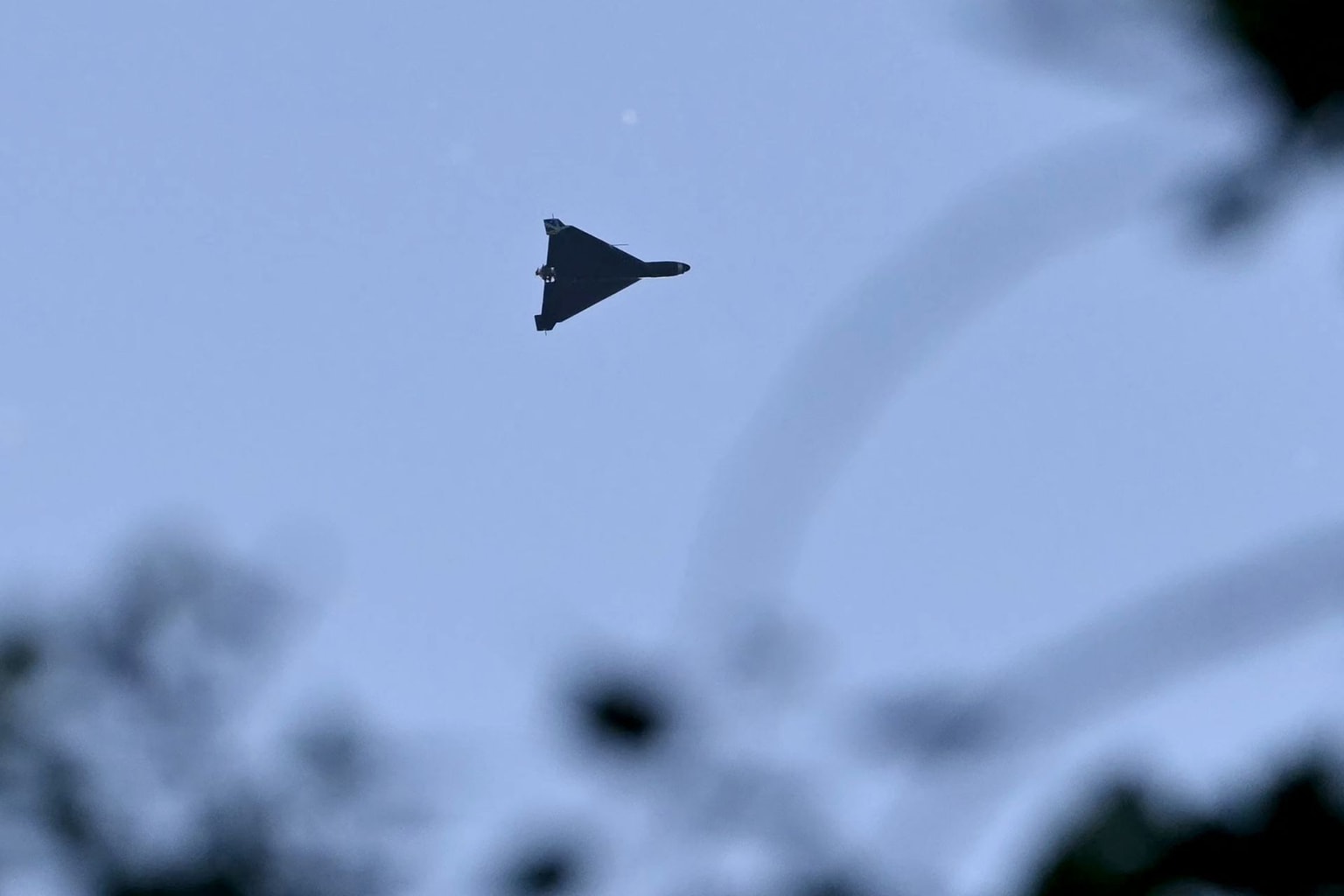
Russian soldiers use improvised setups that allow the synthesis of certain substances from available chemical components, including chloropicrin. Combined with drone use, this dramatically lowers the technological barrier to deploying chemical agents on the front line.
And this is where the key risk lies: localized experiments could, under certain conditions, become an established practice beyond the combat zone in Ukraine.
No such practice, however, exists in a vacuum. It relies on a stable supply of raw materials.
The aforementioned "Breaking Russian Chemindustry" research identified 162 enterprises that produce or supply the reagents needed to synthesize these substances as of 2024.
Out of them, 81 have ties to Russia's military-industrial complex. At the same time, sanctions have been imposed on only 18 companies.
By early 2026, the picture has barely changed: 160 enterprises, 80 with direct ties to the Russian military-industrial complex, and only 29 under sanctions. In total, 54 of 160 are under sanctions.
Despite this, the international response remains limited.
The sanctions policy regarding this sector appears fragmented. And this is the core problem: the system reacts after the fact. Sanctions appear where involvement in military programs has already been proven, but the chemical infrastructure works differently.
It does not divide neatly into "civilian" and "military" at any given moment. It flows between these states. That is why a significant portion of Russian chemical enterprises remains in a grey zone – formally civilian, but functionally adjacent to military production.
Therefore, enterprises with a similar technological profile whose ties to Russia's military-industrial complex have not yet been proven should be treated as subjects of ongoing monitoring, since their production capabilities potentially allow rapid integration into supply systems should production or political conditions change.
At Join Ukraine, we can only initiate this dialogue and call for strengthened oversight. But the main actions must come from the Ukrainian government and international partners. Because otherwise, what looks like an experiment today may become the norm tomorrow.
Editor's note: The opinions expressed in the op-ed section are those of the authors and do not purport to reflect the views of the Kyiv Independent.