Major Russian oil refinery suspends operations again after Ukrainian drone strike
 on Google
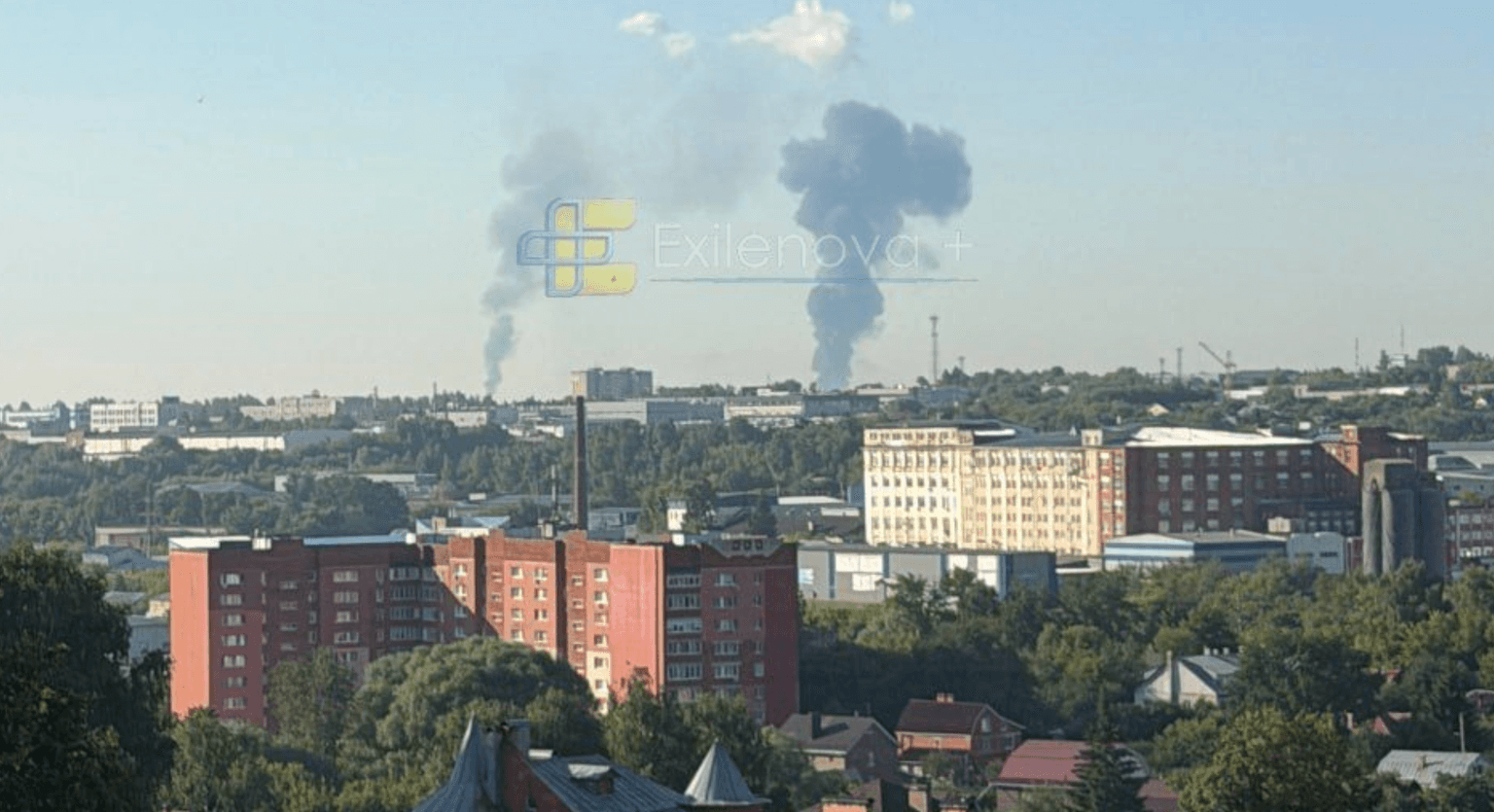
Russia's Lukoil-Nizhegorodorgsintez refinery, also known as NORSI, has once again halted operations after being damaged by a Ukrainian drone strike, Reuters reported on July 3, citing two industry sources.
The same facility was reportedly forced to shut down on June 24 following an overnight drone attack. The Lukoil-Nizhegorodorgsintez plant is the fourth-largest oil refinery in Russia and second-largest producer of gasoline. It is also the Russian oil giant Lukoil's largest refinery.
The refinery again suspended operations after it was struck in an overnight attack on July 2, two industry sources told Reuters.
Ukraine's General Staff said it targeted the refinery, located in Kstovo in Russia's Nizhny Novgorod Oblast, as part of a campaign to "reduce Russia's military and economic potential." According to the military, the attack caused a fire at the refinery and damaged the AVT-6 primary crude oil processing unit.
The installation is the main unit of the refinery, accounting for 53% of its capacity.
The Lukoil-Nizhegorodnefteorgsintez refinery has an annual processing capacity of around 17 million metric tons of crude oil. It also produces diesel fuel, jet fuel, lubricants, and other petroleum products, including supplies used by the Russian military
Ukraine has been waging an increasingly successful deep strike campaign against Russian oil infrastructure, disrupting production at major facilities and in some cases halting operations indefinitely. NORSI is the fifth Russian refinery to shut down since the beginning of June, according to Reuters.
The Volgograd oil refinery stopped processing on June 1, followed by the Kuibyshev refinery in Samara Oblast on June 2 and the Taneco refinery in Tatarstan on June 12. The Moscow Oil Refinery, which was struck twice in one week in a massive drone attack, has been offline since June 16 and will not likely resume operations before 2027.
Ukraine's refinery attacks have mounted pressure on the Kremlin by aggravating a domestic fuel supply crisis that has already caused export bans, price hikes, and sales restrictions across Russia.
Russian President Vladimir Putin acknowledged the situation publicly in remarks on June 28, admitting that "there are still lines at gas stations, and the right grade of gasoline isn't always available."
In an attempt to mitigate the crisis, the Russian government on July 2 also passed a decree relaxing quality standards for gasoline products.