Moldova offers rail lifeline for Ukrainian food exports as Russia chokes Black Sea trade
 on Google
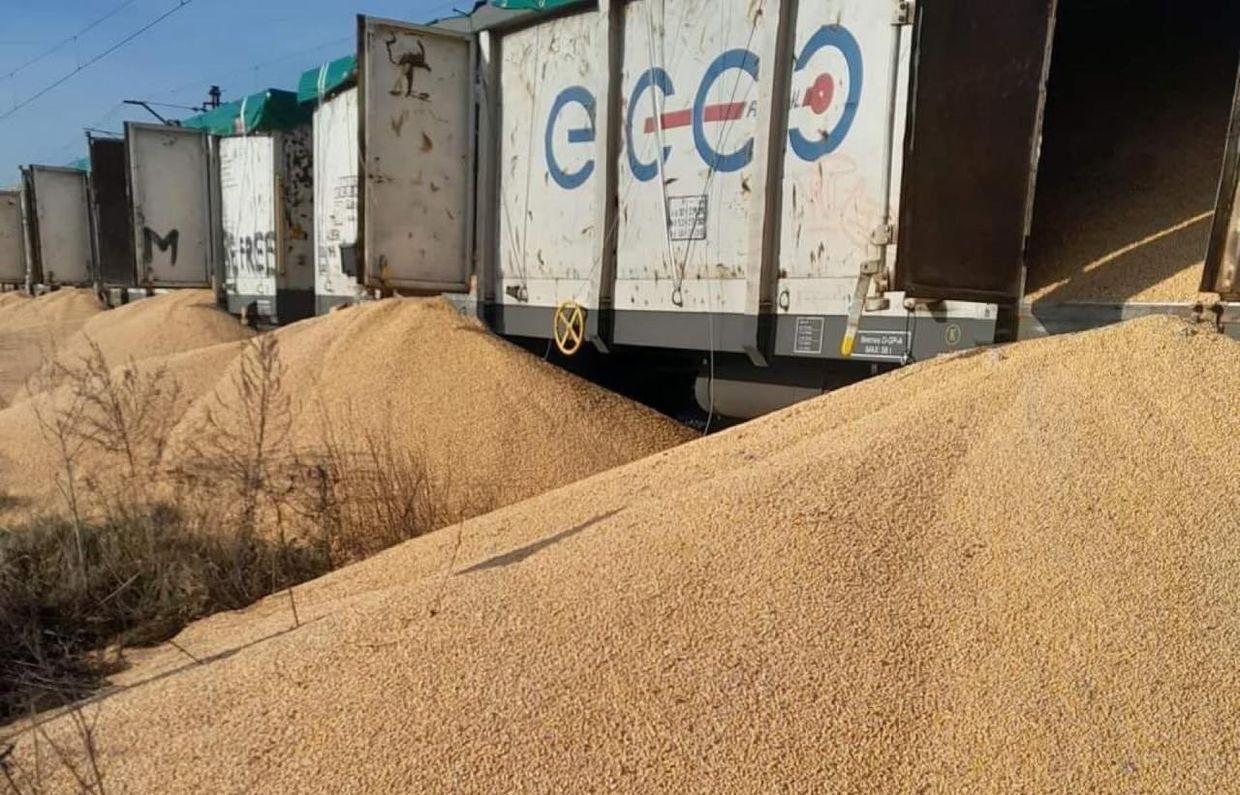
Moldova agreed to transit 600,000 metric tons of Ukrainian foodstuffs via railways by the end of 2026, Moldovan Prime Minister Vasile Tofan wrote on social media on Aug. 12.
Ukraine has been unable to export agricultural products through the Black Sea for several weeks due to escalating Russian attacks on its seaports.
Russian agricultural exports are also being affected by Ukrainian attacks, including the Aug. 12 operation against the port of Novorossiysk, prompting fears of a global food crisis similar to 2022.
Tofan hailed the agreement as "Solidarity lanes at their best," explaining the use of Moldova's railways as "helping Ukraine reach regional markets and keeping vital trade routes open."
Ukrainian Foreign Minister Andrii Sybiha thanked Moldova for the decision and the country's "true solidarity with Ukraine."
And the European Commission "welcomes Moldova's latest announcement, which shows its commitment to supporting Ukraine's access to world markets," a spokesperson told the Kyiv Independent.
"As Russia deliberately targets Ukraine's ports and trade routes, alternative export routes are vital for Ukraine's resilience and global food security," Sybiha said.
The Commission told the Kyiv Independent on Aug. 11 that it had met with Ukraine, Moldova, and Romania "to assess the situation regarding alternative shipment routes through the Solidarity Lanes."
EU-Ukraine Solidarity Lanes were first established in 2022, when Ukraine was similarly unable to get its agricultural produce to world markets as Russia carried out attacks along the country's Black Sea coast.
"The Danube corridor remains the most promising alternative in terms of capacity potential, but is still more limited and costly for bulky cargo like grain than that of the larger ports around Odesa," a Commission spokesperson said.
Ukrainian Agriculture Minister Taras Vysotsky said "there is no real alternative to our own Black Sea ports" in an Aug. 6 interview with the German newspaper Der Spiegel.
He predicts a grain and oilseed harvest of 81.5 million metric tons in 2026, of which 70% to be exported. The agreement with Moldova would cover just over 1% of the total expected exports of those crops alone.
Vysotsky estimates that Ukraine will run out of storage capacity from October onwards, and that the Black Sea region accounts for 70% of global wheat production.
"If the crisis continues for months, the global impact could be even greater than it was four years ago," he said.
Turkish Foreign Minister Hakan Fidan called on Russia and Ukraine to stop attacking ships in the Black Sea and is attempting to mediate between the two sides to restore shipping flows.
Editor's note: this article has been updated to include a reaction from the European Commission.