Russia allows lower-grade gasoline production as Ukrainian attacks choke fuel supply
 on Google
Russia will allow oil refineries across the country to produce fuel products adhering to the lower-quality Euro-3 standards, according to a government decree published July 2.
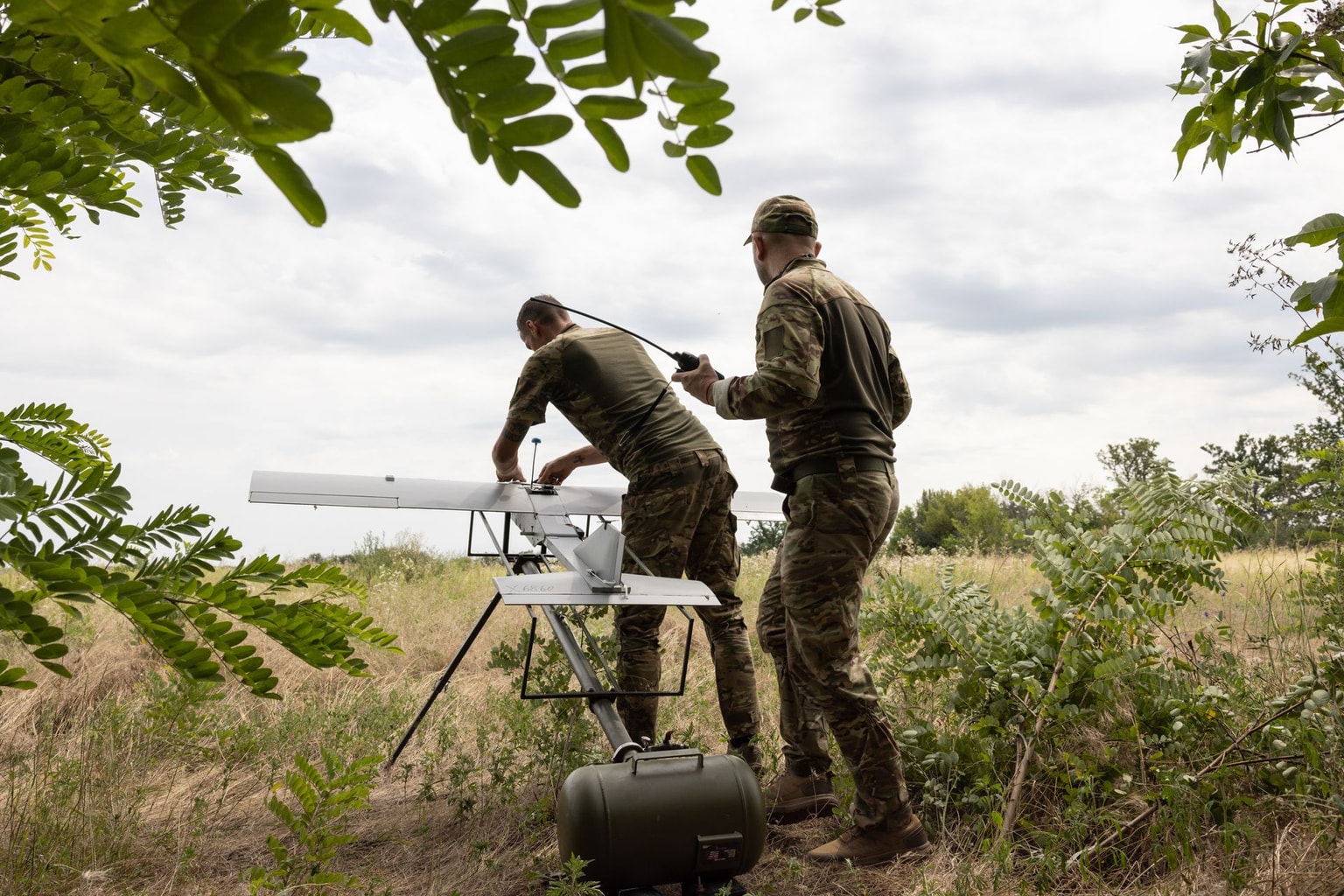
The decision comes amid a growing fuel shortage in Russia brought on by Ukrainian drone attacks on oil infrastructure.
A decree signed by Russian Prime Minister Mikhail Mishustin permits certain refineries to product Euro-3 gasoline through the end of the year. The decision is meant to stabilize the fuel supply in Russia and "prevent destabilization in the domestic market of motor fuel."
Euro-3 gasoline represents an older fuel classificiation under European emissions standards. It contains a higher sulfur content than Russia's current standard (Euro-5), leading to increased safety risks and heavier pollution.
Under the new temporary regulations, companies may circulate gasoline with a maximum sulfur content of 150 mg per kilogram. These products will not bear the Eurasian Economic Union (EAEU) conformity mark and cannot be exported outside Russia.
Earlier, the Russian news outlet Kommersant reported on June 29 that the Kremlin was considering downgrading gasoline and diesel prodution standards to as low as Euro-2, which has been banned in Russia since 2013.
Got an opinion on anything you've read in the Kyiv Independent so far?
and it may appear in our Letters section.

The draft document cited by Kommersant allowed for production of Euro-2 fuel through July 2027 and also permitted imports of lower-quality fuel products.
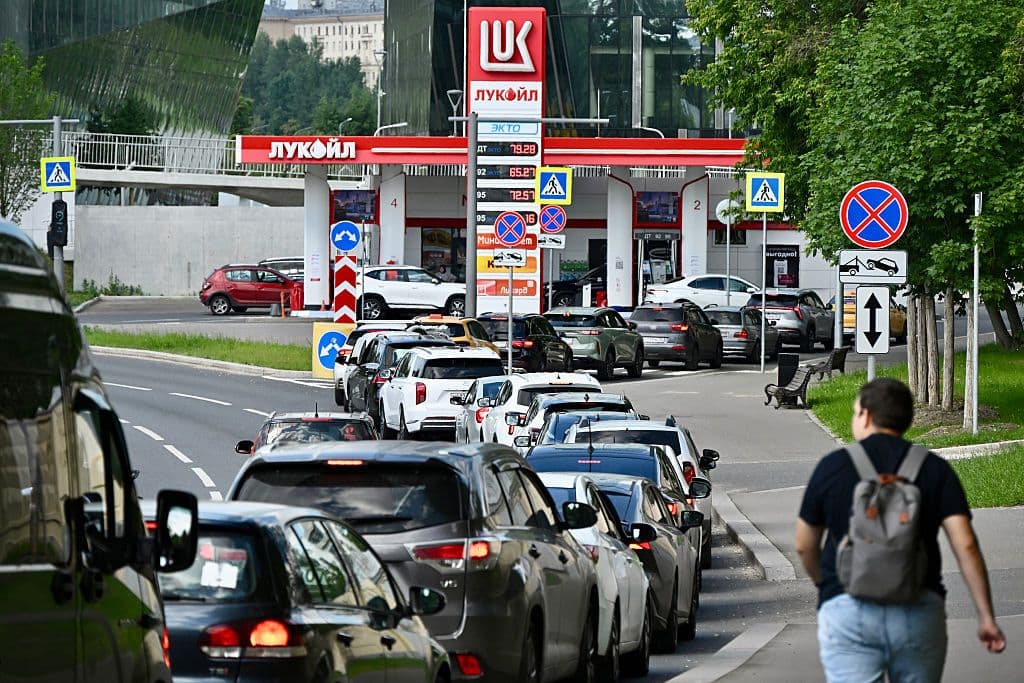
While the recent decree claims to be a "preventative" measure, the fuel crisis in Russia is evident in the long lines at gas stations, widespread restrictions on gasoline sales, and national export bans.
Russian President Vladimir Putin acknowledged the situation in remarks on June 28.
"Unfortunately, there are still lines at gas stations, and the right grade of gasoline isn't always available. And, of course, we understand the challenges faced by agricultural producers and farms during the summer," he said.
Putin also claimed Russia is planning to increase production and "minimize the impact" of Ukrainian strikes on energy infrastructure.
Ukraine's recent strikes have targeted some of the biggest oil refineries in Russia, disrupting production and in some cases halting operations indefinitely.
Kyiv considers Russian oil refineries to be valid military targets, as these facilities produce both fuel and funds for the Kremlin's war machine. The deep strike campaign mounts additional pressure on an oil industry already strained by western sanctions.