Putin acknowledges gas station queues, fuel shortages amid Ukrainian strikes as Russia works to stabilize supply
 on Google
Editor's note: This article was updated to include additional comments made by Russian President Vladimir Putin in a later interview.
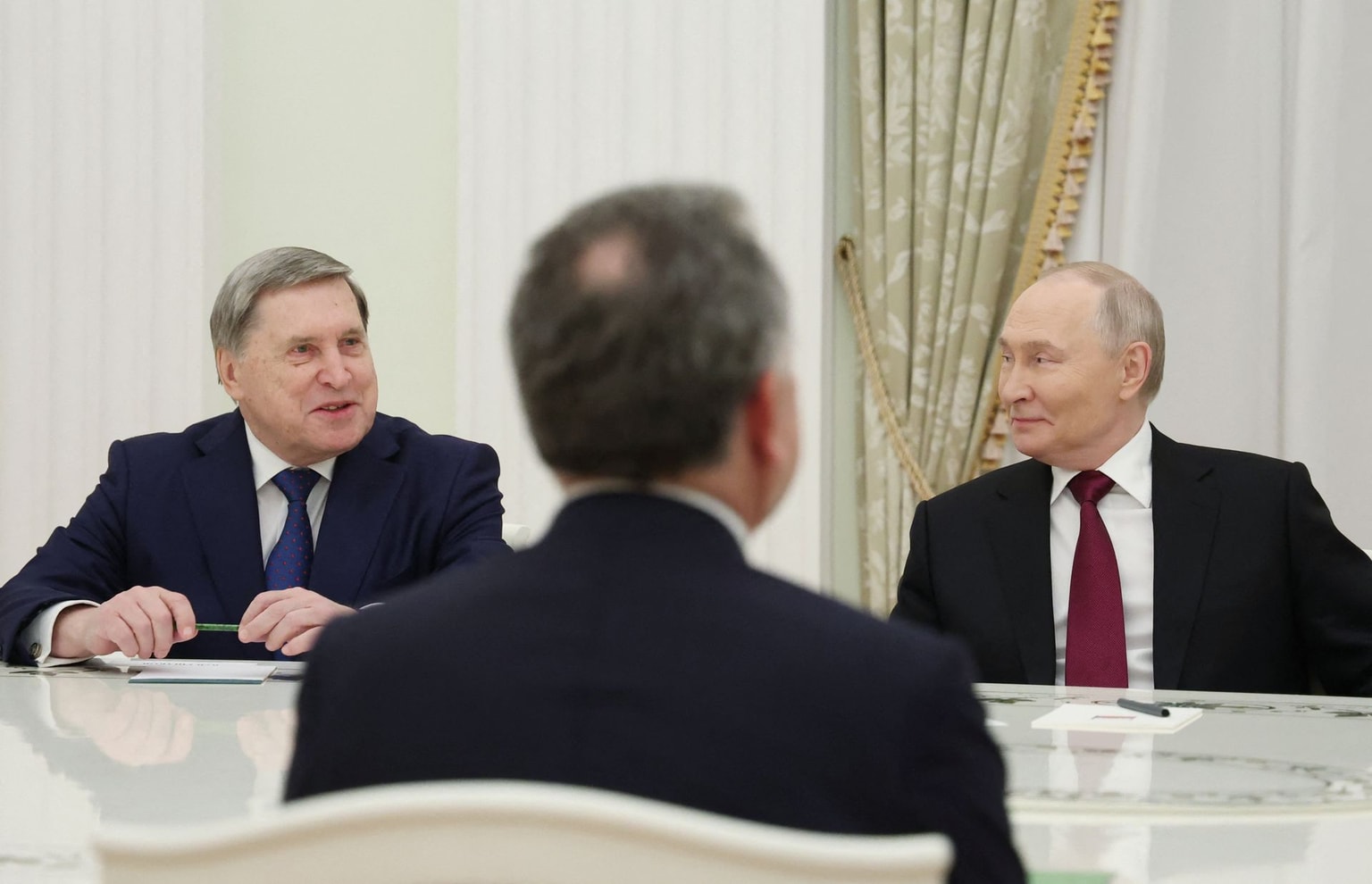
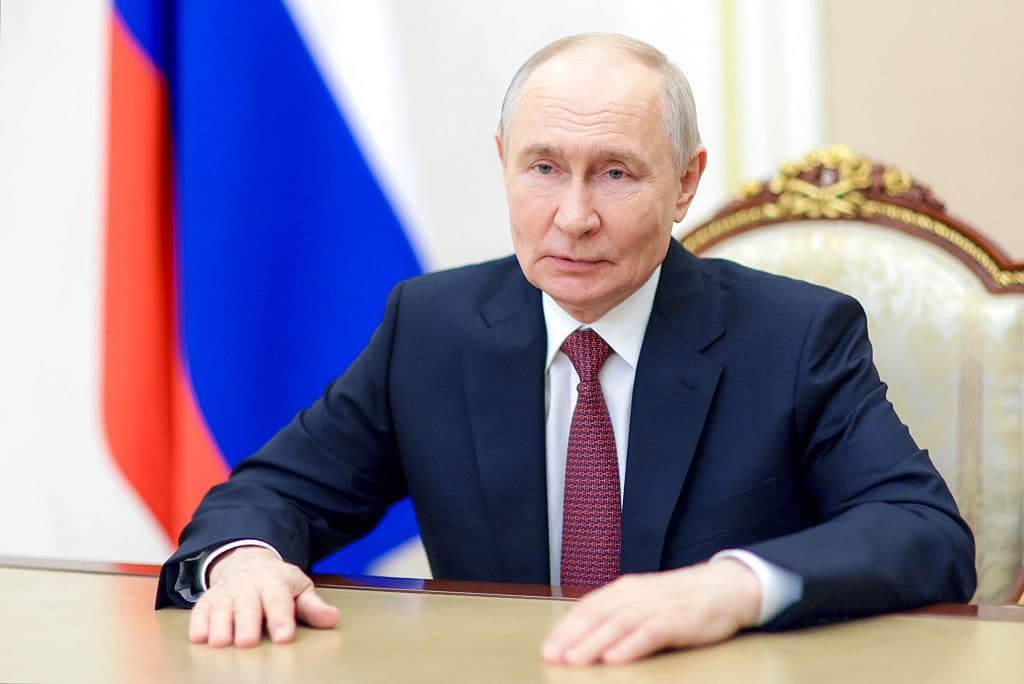
Russian President Vladimir Putin on June 28 acknowledged gas station queues in Russia and shortages of various fuel types as Ukrainian strikes continue to increase pressure on Moscow's energy resources.
"Unfortunately, there are still lines at gas stations, and the right grade of gasoline isn't always available. And, of course, we understand the challenges faced by agricultural producers and farms during the summer," Putin said.
Russia has tapped into its fuel reserves, with amounts dropping by about 4% compared to the previous year, he claimed at a meeting with leaders of the Russian energy industry.
"Furthermore, in the interests of domestic consumers, a complete ban on the export of gasoline and jet fuel has been temporarily imposed. The need for a complete ban on diesel fuel exports is also being considered," Putin said.
Russia is planning to increase production and continues efforts to "minimize the impact" of Ukrainian strikes on energy infrastructure, he claimed.
In a separate interview following the meeting, Putin recognized that Russia is experiencing an energy deficit amid Ukraine's strikes on energy infrastructure.
"We are now observing a certain deficit, but not critical, I will say now. There are several issues here that we must address," Putin said.
In response to Ukraine's campaign against Moscow's oil infrastructure, Russia must increase production of "the most demanded munitions" and improve them, Putin said.
"The issue is the speed of their production and delivery to the troops or to cover objects of critical infrastructure," he said.
Meanwhile, only enough energy remains in the Russian-occupied Crimean peninsula to last a few more days, the Russian leader said, adding that demand will be met.
Putin noted that the increased strikes on infrastructure are meant to give Ukraine the upper hand at the negotiating table and did not express any willingness to proceed with peace talks.
"We will not give them such a chance. Moreover, and this is important, all these terrorist attacks have no effect on the situation at the front," he claimed.
Despite Putin's claims, Ukrainian forces have successfully liberated territory from Russian occupation in recent months.
Ukraine recaptured nearly 100 square kilometers more territory than was lost along the front line in May, bringing total gains since the start of 2026 to more than 600 square kilometers, Commander-in-Chief Oleksandr Syrskyi said on June 8.
On June 23, Putin spoke publicly about Ukraine's attacks on infrastructure for the first time since Ukraine launched dramatic back-to-back strikes on the Moscow Oil Refinery on June 16 and 18.
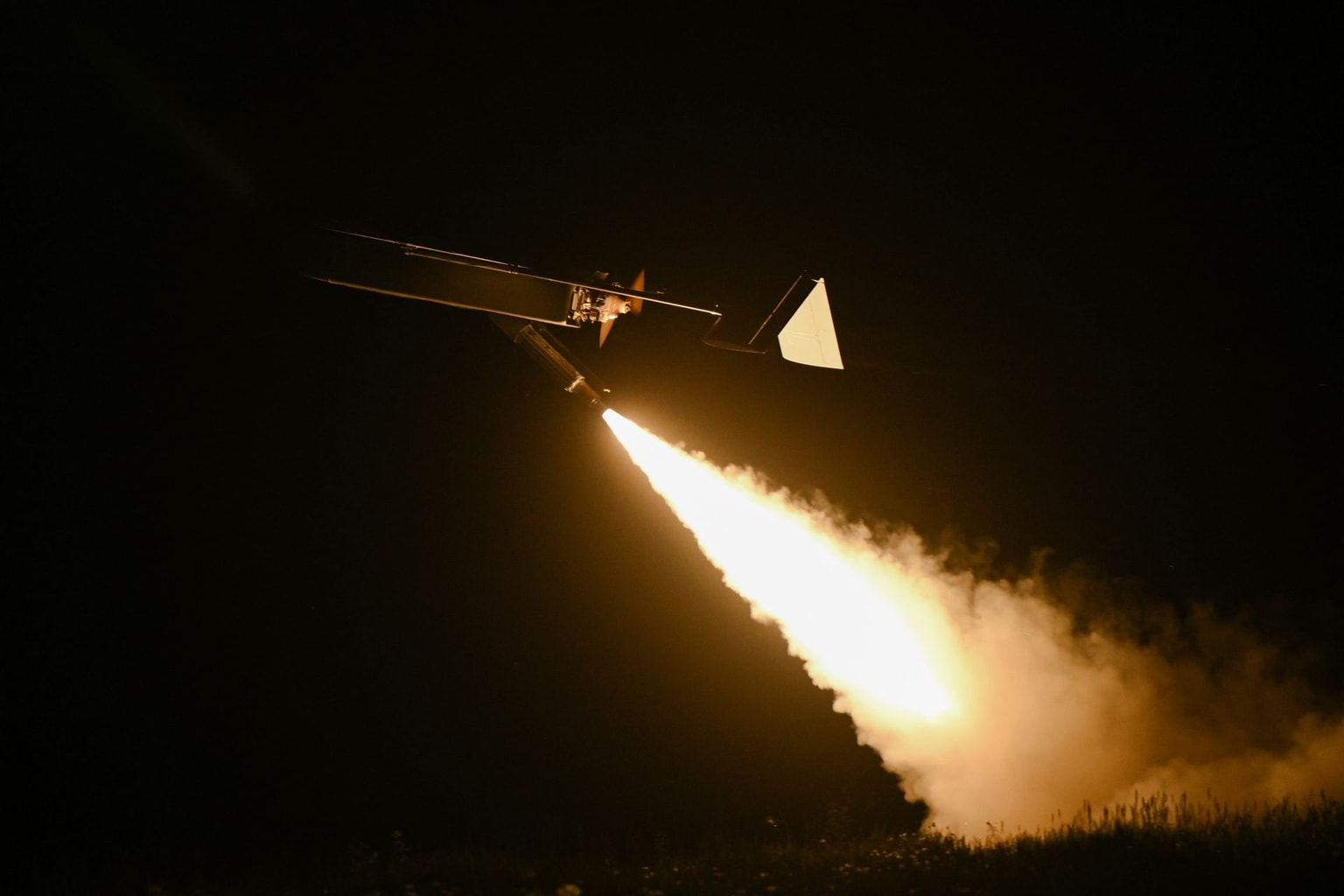
Ukraine regularly strikes military infrastructure deep within Russia and occupied territories in an effort to diminish Moscow's ability to continue waging its war.
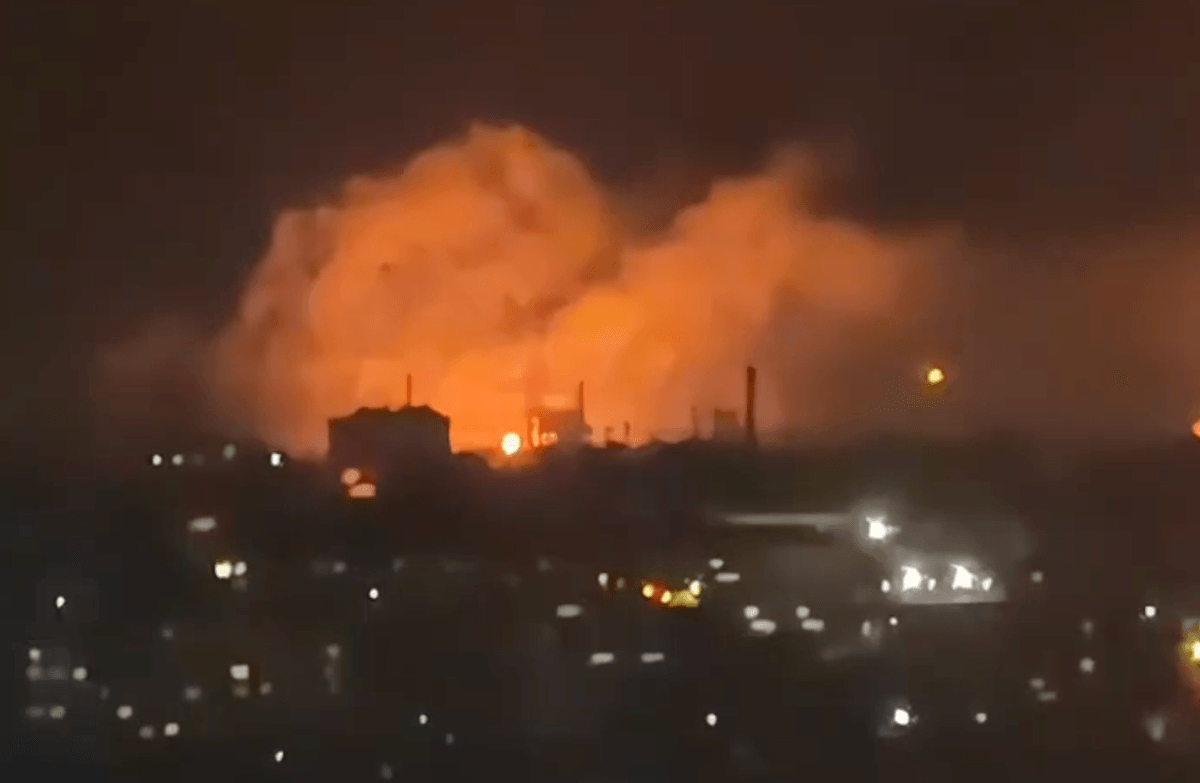
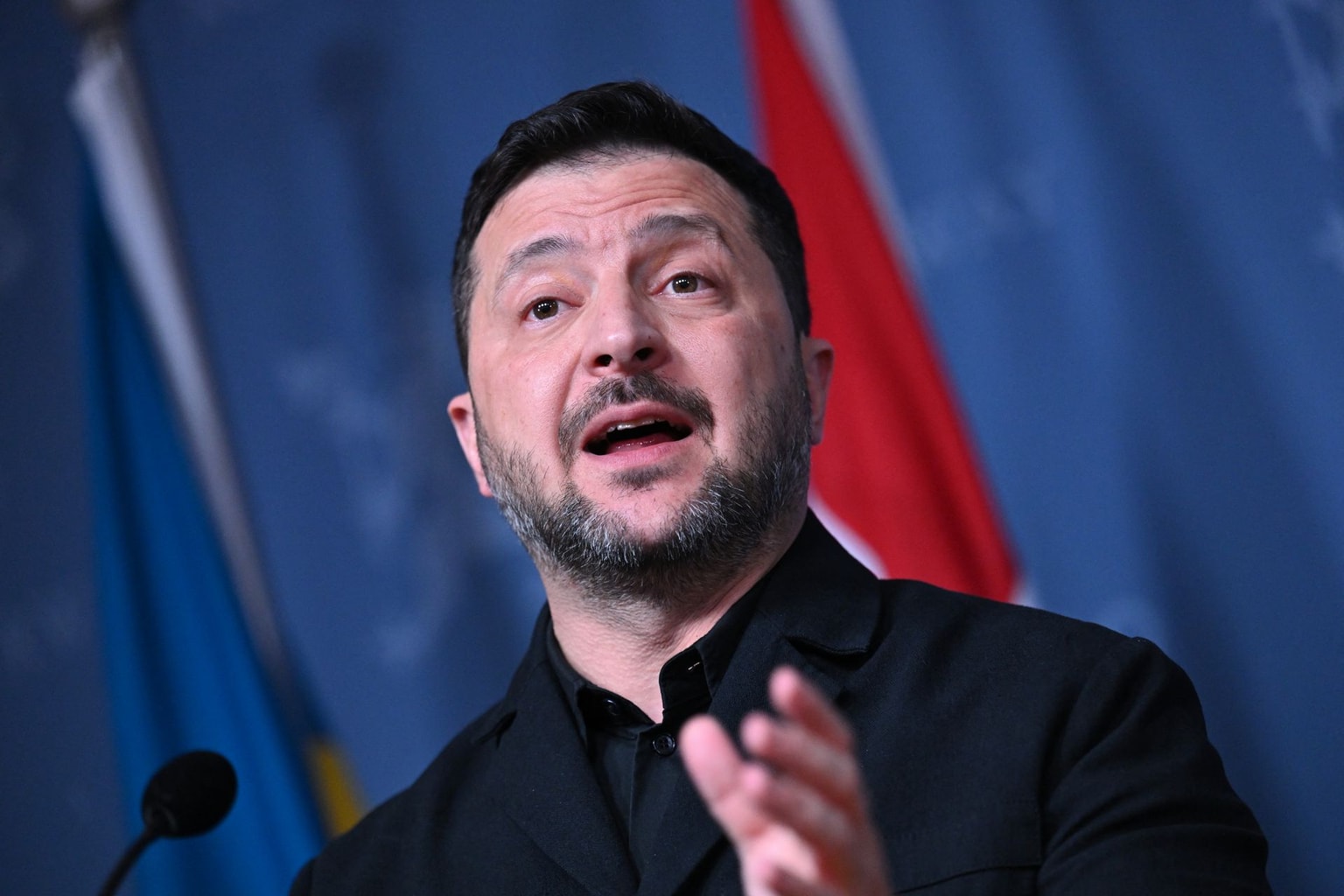
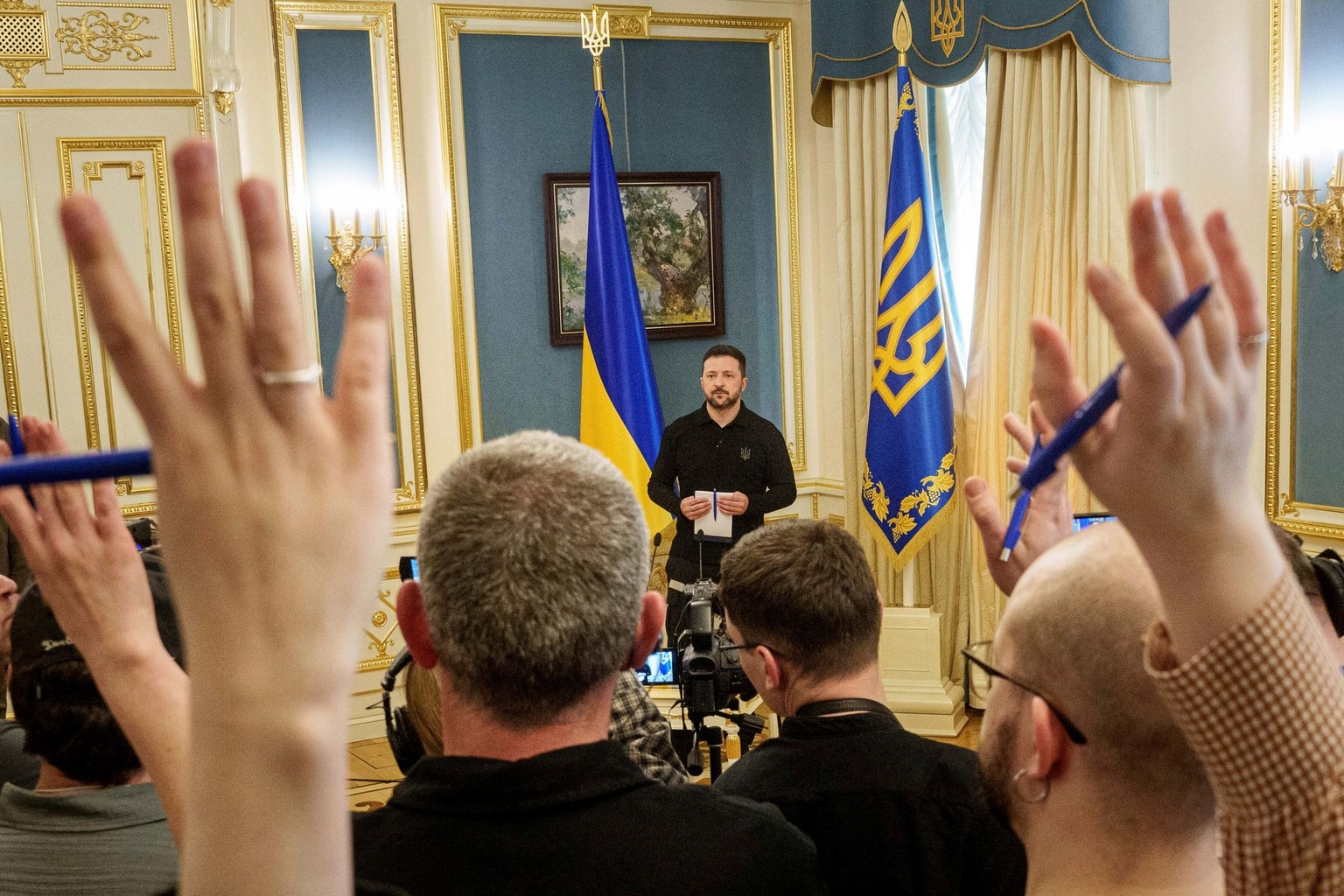
Overnight on June 28, Ukraine struck oil refineries in Russia's Krasnodar Krai and Yaroslavl Oblast, President Volodymyr Zelensky said.
"We will continue our operations that weaken Russia's ability to wage this war. Every long-range sanction reduces the resources fueling Russia's war machine and brings us one step closer to peace," Zelensky said.