Ukraine's Air Force faces backlash over decision to stop publishing Russian ballistic missile figures
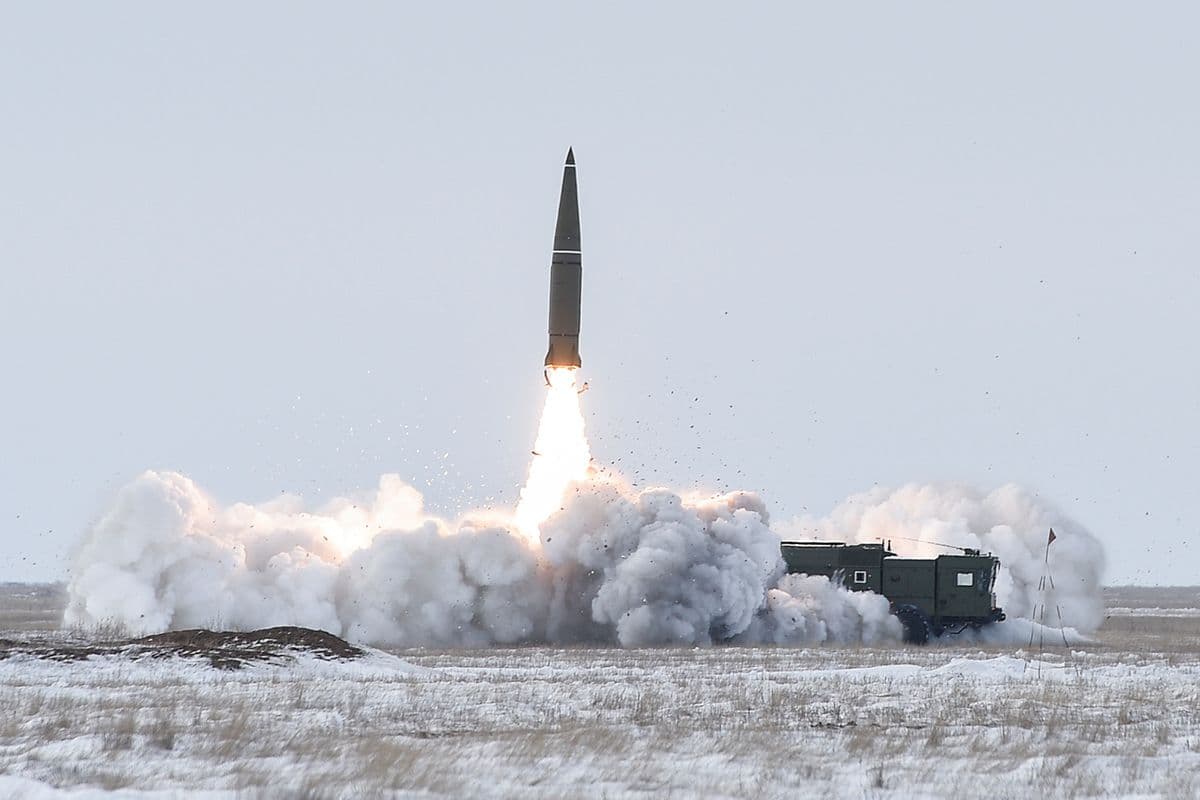
A Russian Iskander-M ballistic missile is launched at the Kapustin Yar proving ground, Astrakhan Oblast, Russia on March 2, 2018. (Wikimedia)
 on Google
Ukraine's Air Force will cease publishing the exact number of Russian ballistic missiles launched and shot down in its daily morning updates, spokesperson Yurii Ihnat confirmed on Aug. 13 after several days without the figures appearing.
The move, while publicly explained as being made for security and communications reasons, has been criticized for reducing overall transparency between the military, the media, and Ukrainian public as a whole about an issue that directly affects them.
The last daily report to state a concrete number of Russian ballistic missiles was published on Aug. 8.
By Aug. 11, when Russian Iskander missiles, North Korean KN-23 missiles, and Zircon cruise missiles struck Kyiv and Zaporizhzhia, killing seven people and injuring dozens more, the types of missiles were disclosed but not the exact number.

First and foremost, Ihnat said, the decision was connected to a series of negative headlines about the Air Force's failure to down any ballistic missiles.
"I understand that everyone already knows everything and sees that the topic is very sensitive, especially for the capital," the spokesperson wrote.
"But when we put an official message - 28/0 (ballistic missiles intercepted), the result is that all our media write 'The Air Force did not shoot down a single missile,' and amplify it throughout the country. Meanwhile, enemy media will only copy all this and replicate it for themselves, giving a standing ovation!"
"Honesty and transparency in communication are what advantageously distinguished our Armed Forces from the Russian ones."
Critics of the announcement said that the move could lead to a slippery slope where more and more information important for the public interest could be withheld for communications reasons.
"When some communication disappears, the vacuum can be filled with suspicions and rumors, and distrust may, on the contrary, increase," Oksana Romaniuk, director of Ukraine's Institute of Mass Information (IMI), told the Kyiv Independent.
"The state during wartime really does have the right to conceal information for security reasons, but it should not conceal socially important data simply because they create unpleasant headlines," she added.

The sentiment was repeated by many in the comments section under Ihnat's Facebook post.
"Honesty and transparency in communication are what advantageously distinguished our Armed Forces from the Russian ones," commented Taras Yemchura, Defense Sector Lead at Ukraine's Better Regulation Delivery Office.
"Citizens understand that there is nothing to shoot them (ballistic missiles) down with. I believe that the best way to build the stability of society is an honest conversation between adults, and not silencing reality."
"When some communication disappears, the vacuum can be filled with suspicions and rumors, and distrust may, on the contrary, increase."
Responding to criticism in the comments to his post, Ihnat said the total numbers of ballistic missiles launched would still be published on a monthly basis, and that nothing would change with the real-time warnings of launches published by the Air Force on Telegram.
For most of 2026, Ukraine has struggled with a dire shortage of interceptors for the advanced U.S.-built Patriot surface-to-air missile system, which remains Ukraine's only system capable of shooting down Russian Iskander and Kinzhal ballistic missiles.
But with the U.S. war in Iran severely depleting Washington's interceptor stocks while increasing demand for the Patriot worldwide, Ukraine's hopes of consistently defending itself from ballistic missiles remain slim in the near term.
On Aug. 13, President Volodymyr Zelensky claimed that just 10% of U.S. stocks of Patriot interceptors would be enough to destroy "all" Russian ballistic missiles launched at Ukraine, and that only 5% would be enough to get through the winter, when a new Russian strike campaign against civilian energy, heating, and water infrastructure is expected to begin.
Ukraine receives the missiles either in small quantities from European nations, or through deliveries from the U.S. paid for by partner countries, after the Trump administration agreed to the NATO-led PURL (Prioritized Ukraine Requirements List).
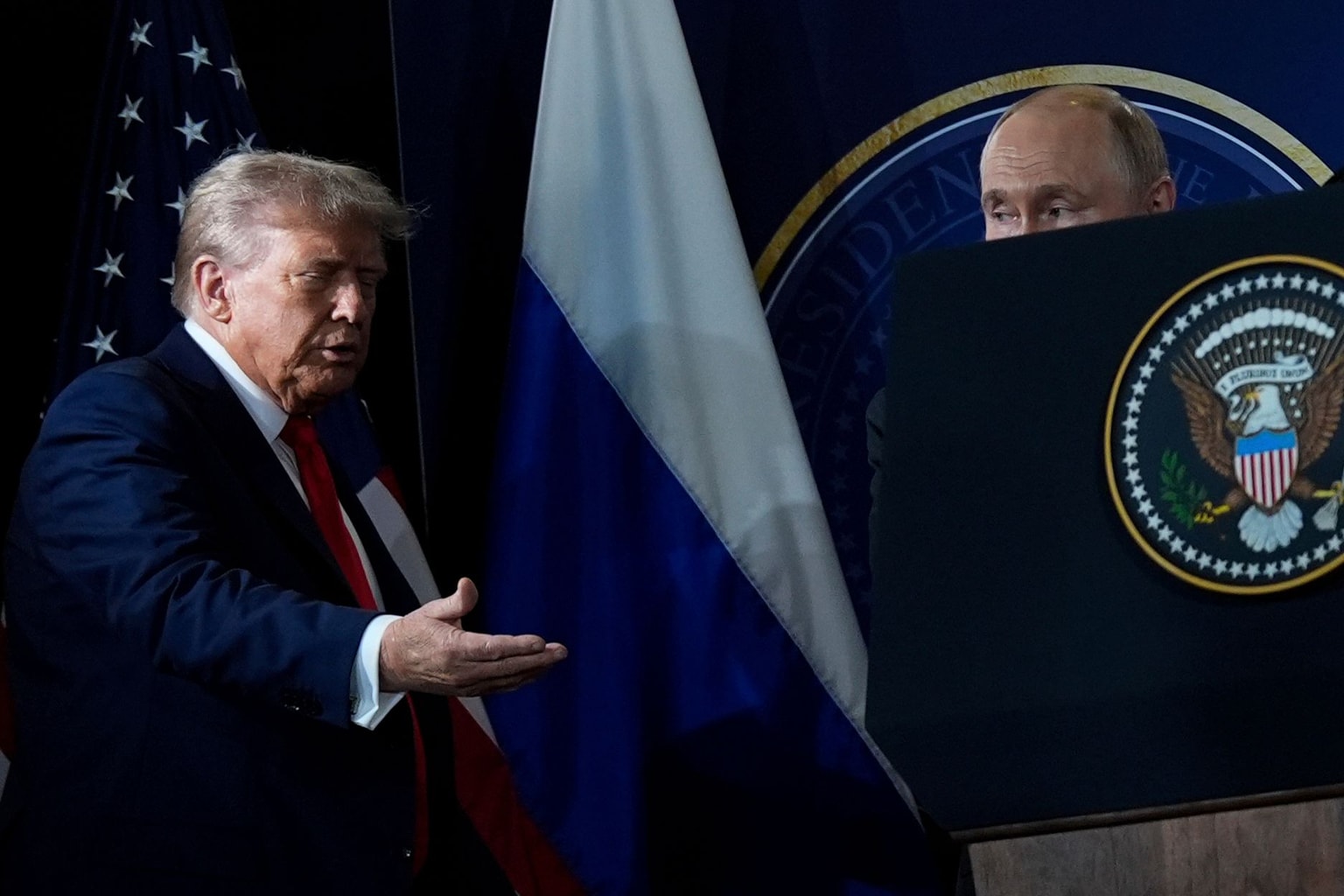
The release of more Patriot missiles to defend Ukraine's skies has since become the front-and-center issue of Zelensky's diplomatic efforts with Trump, but with mixed results.
In late July, Trump seemingly agreed to provide Kyiv with the license to produce Patriot interceptors domestically, but later backtracked on his decision.
Meanwhile, Kyiv, together with defense giant Fire Point, has announced work on a homegrown anti-ballistic missile project dubbed Freyja, to be developed in collaboration with European partners as a long-term alternative to dependence on the Patriot system.
But given the advanced technological requirements — from engineering to software — of creating such a system, the program is unlikely to produce results before winter.