Belarusian cousins convicted of supplying Russian weapons industry in Austria
 on Google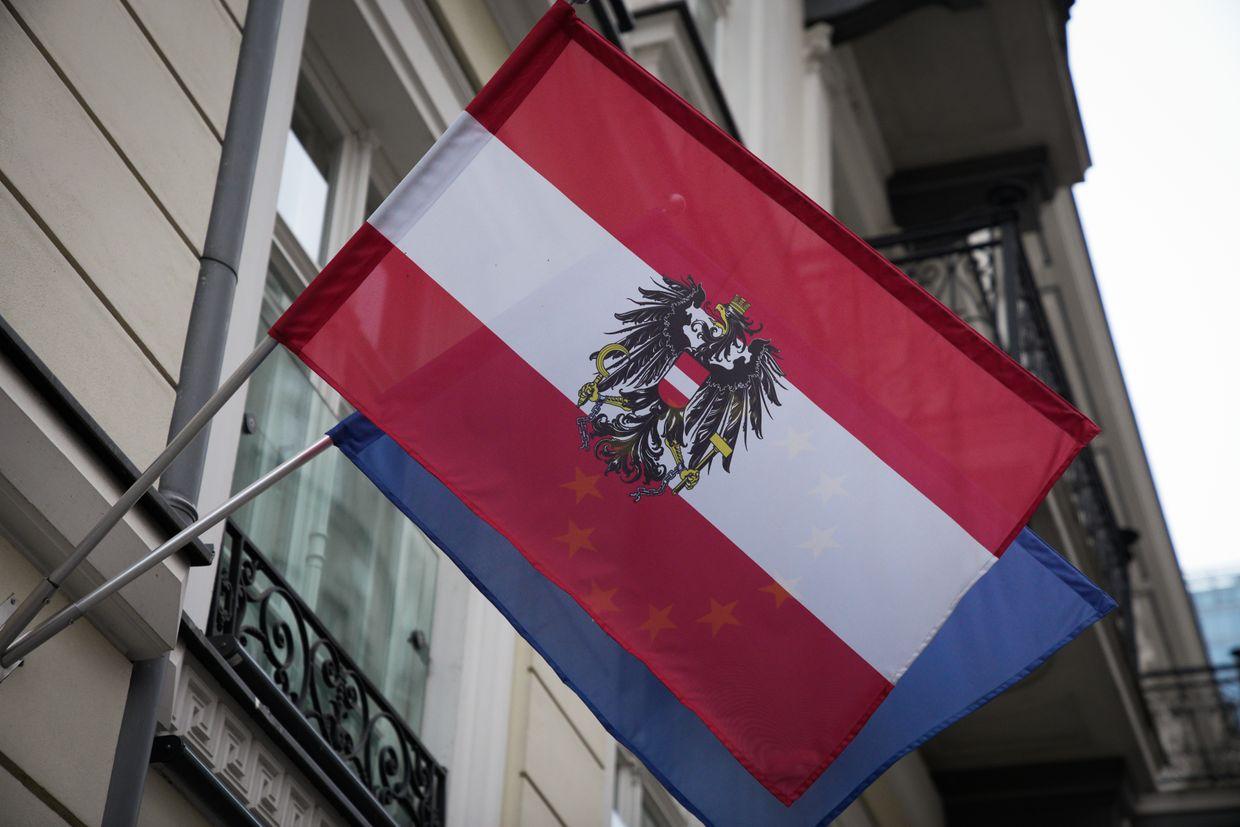
Two Belarusian cousins were convicted on Aug. 12 by a Vienna court for supplying manufacturing equipment to Russia's weapons industry in violation of EU sanctions.
The duo were convicted for using an Austria-based business and a network of shell companies to transport metalworking machines and tools into Belarus through third countries, including Turkey, Kyrgyzstan, South Korea, and Poland.
The smuggled equipment was used to manufacture engines for missiles and fighter jets, the Austrian government said. The smuggled equipment was destined for companies affiliated with the Russian state-owned conglomerate Rostec, according to Austria's Interior Ministry.
Rostec is subject to international sanctions and accounts for half of Russia's military production, the company claims.
The pair plead guilty in front of the Vienna Regional Court.
"This case demonstrates the lengths to which international networks go to circumvent existing sanctions," said Austria's intelligence service Director Sylvia Mayer in a press release.
The main defendant, a 28-year-old man and mechanical engineering student from Minsk whose name was not disclosed, was the director of the Vienna-based firm at the center of the investigation. The man was arrested in Austria on May 13, and property worth 140,000 euros (approximately $161,000) was seized by Austrian authorities.
The man alleges that his father and uncle orchestrated the scheme, which operated since 2022, and both worked for an unspecified Russian company, according to Reuters.
The other defendant, the man's cousin, was a 24-year old woman who served as an accountant for the business.
The man was sentenced by the Austrian court to serve 21-month in prison, of which 19 months were suspended. He released, having already served the remainder of his sentence in pretrial detention. The woman was given a 15-month suspended sentence. Both declined to appeal the ruling.
Rostec is behind include the Pantsir air defense system, the Kh-101 cruise missile, and the Iskander ballistic missile used in recurring fatal strikes against Ukrainian civilians. A Russian ballistic missile attack killed four, including a three-year-old child in Ukraine's capital and Kyiv Oblast days earlier on Aug. 8. Another ballistic missile attack on Aug. 5 killed 17 people.
In May, Austria expelled 3 Russian embassy staff members over suspected signals espionage.