Russia prepares its 'final push' of the war this fall
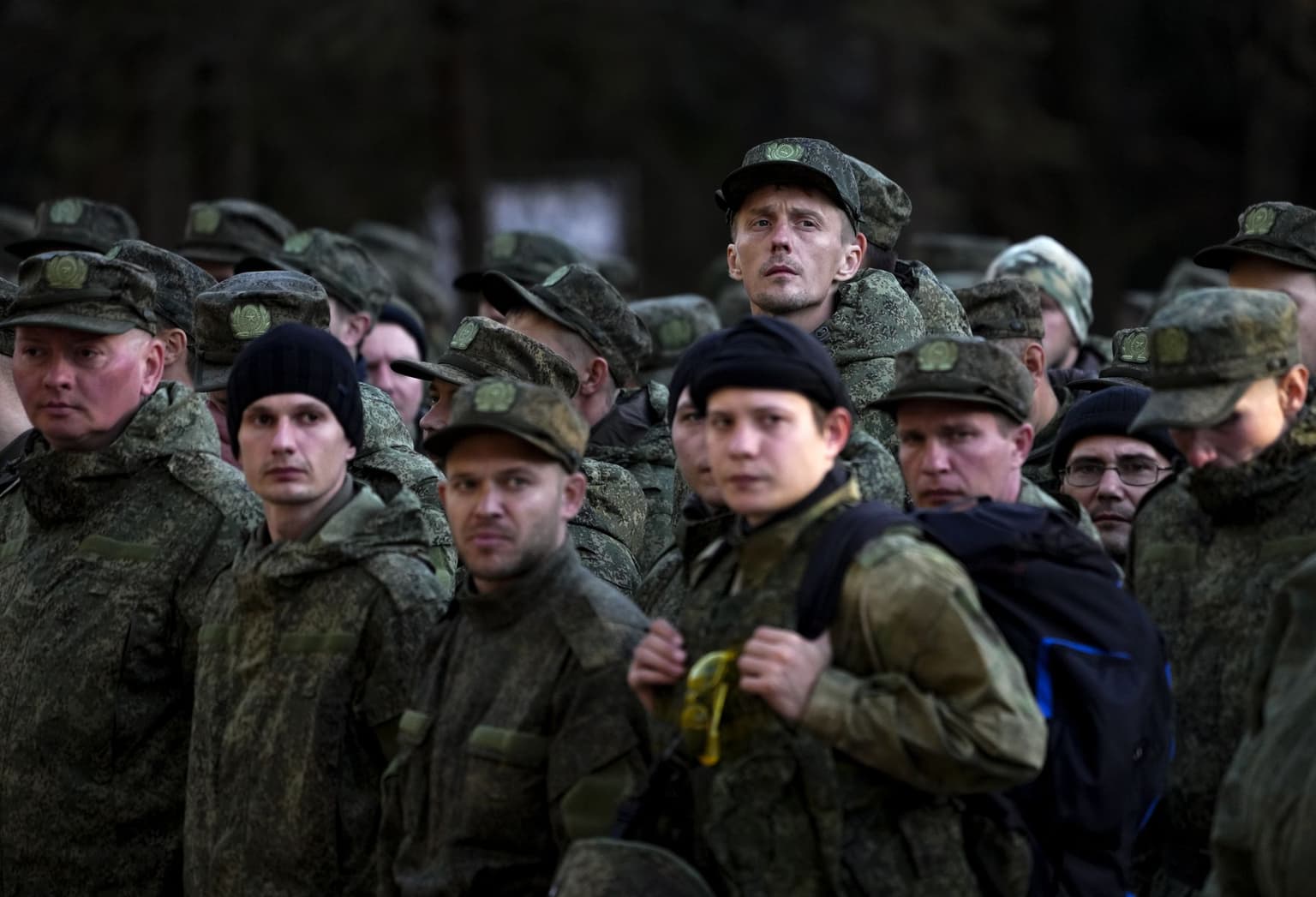
Russian citizens drafted during the partial mobilization are dispatched to combat coordination areas in Moscow, Russia, on Oct. 10, 2022. (Stringer / Anadolu Agency / Getty Images)
 on Google
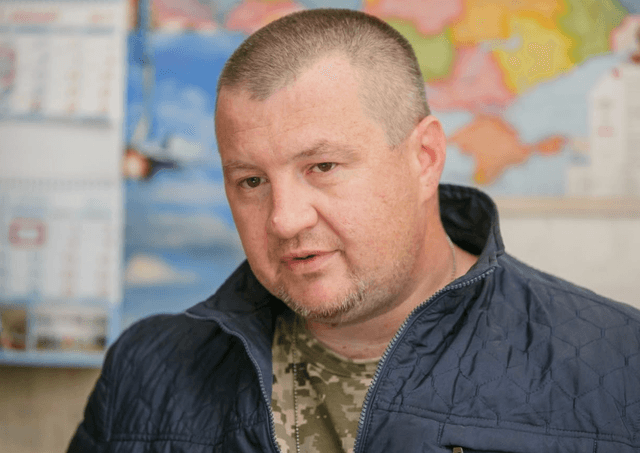
Kostiantyn Mashovets
Military expert
In Kyiv and the capitals of its allies, talk of a brutal "winter" awaiting Ukraine because of Russian strikes is a top matter on the agenda. And it's quite likely that this very fall and winter will become Russia's own kind of "last push" — an attempt to somehow turn the tide of its war.
Back at the start of the year, I said that in 2026 the Kremlin would find it absolutely essential to achieve what it calls a "korennoy perelom v voyne" (a "fundamental turning point in the war") in order to close out the most costly and exhausting phase of the conflict on its own terms.
By early 2026, it was already obvious: Russia's continued gamble on a war "of attrition" was losing, or had already lost, any real chance of paying off.
That strategy has been dragging the Kremlin, almost irreversibly, toward its own exhaustion, and at a considerably faster clip than Ukraine has been losing its capacity to resist.
Layered on top of that are other factors: deeply negative processes are building up inside Russia itself, fueled by the war; the Kremlin's attempts to fully "cut off Ukraine's oxygen" on the international stage never quite succeeded either. Nor did Moscow get much reassurance from its "Chinese comrades," the Kremlin's chief strategic ally, who never scaled up their involvement in the war to a level that would actually cost Beijing something.
Which is to say, the Kremlin was left needing to make yet another choice about where to take its strategy next: either slide into a mode of "war on a natural fade" — in effect abandoning its core objectives, declared or otherwise, and settling for whatever it had already grabbed, which means essentially declaring an informal pause in this "age-old" standoff with Ukraine under a de facto "no peace, no war" arrangement; or move into another round of "intensified effort" and try, once more, to force Ukraine out of the war quickly, on Moscow's own terms.

Either way, the Kremlin could no longer afford to sit on that decision. Compared with where things stood at the end of 2025 and the start of 2026, the overall strategic picture kept getting worse for Moscow — and dithering had become, quite literally, a matter of survival.
So, judging by the regime's recent actions (and, in part, its rhetoric), the choice has been made — and it looks like option two.
Strategically, this is likely to unfold as follows. First comes another round of mobilization, followed by the further operational buildup of Russian forces inside Ukraine.
Next, a further ramping-up of long-range strikes across the whole of Ukraine's territory and against the main groupings of its Armed Forces — the Russians will probably try, come fall, to really "jump out of their pants," aiming to significantly degrade Ukraine's capacity to resist through nearly continuous, massed, combined long-range strikes.
Another "strategic" offensive will demand enormous resources and money, and short of "mobilizing" the economy and financial sector — including the reserves, and various forms of "dekulakization" aimed at the local oligarchy.
On top of that will come a whole package of military-economic measures inside Russia itself, most likely further state monopolization of the economy, quite possibly accelerating in both scale and pace.
Without that, the first two steps risk collapsing into a kind of caricature: another "strategic" offensive will demand enormous resources and money, and short of "mobilizing" the economy and financial sector — including the reserves, and various forms of "dekulakization" aimed at the local oligarchy — the Kremlin simply has nowhere else to pull that money from right now.
Most likely, ahead of its next "strategic lunge," the Kremlin will try to reduce market relations within its own economy to a bare minimum.
At the same time, on the socio-political front, turning Russia further into a single continuous military camp is becoming close to a prerequisite: any hint of oppositional thinking, let alone actual oppositional activity, will be punished swiftly and harshly, because you cannot run a large-scale, effective mobilization while "popular unrest" is left to smolder unchecked, let alone while dull discontent is left simmering in the background.

Which is why holding the upcoming parliamentary elections in a suitably calm and controlled manner, and further ramping up the information-psychological pressure on Russia's own population, have become non-negotiable for the Kremlin.
And finally, on the international stage, the Kremlin will obviously try with everything it has to minimize — or, where possible, block outright — any effective assistance to Ukraine, above all military-technical and financial aid, and it will try to do so in a way that ensures the volume of that aid doesn't have time to fundamentally shift Ukraine's Defense Forces' combat capability before its "final lunge" gets underway.
Still, it's worth understanding that the decisive factor in carrying out this forcibly postponed final strategic "push" will, for the Kremlin, be the military one. Because that "lunge" has to be planned, organized, prepared, and executed in practice — that is, directly on the battlefield.
The Kremlin has already grasped two basic things about its current strategic position: continuing to drag out its participation in a war this costly is dangerous, so it needs to sharply and massively "accelerate"; and while its first such attempt — I mean the ongoing Sloviansk-Kramatorsk offensive operation, which is still crawling along fairly limply — turned out, let's say, not entirely successful, it's still worth repeating with "fresh forces," "fresh people," and possibly in a "fresh location."
Editor's note: The opinions expressed in the op-ed section are those of the authors and do not purport to reflect the views of the Kyiv Independent.