Italy's foreign minister targeted in cyberattack due to Ukraine stance, minister says
 on Google

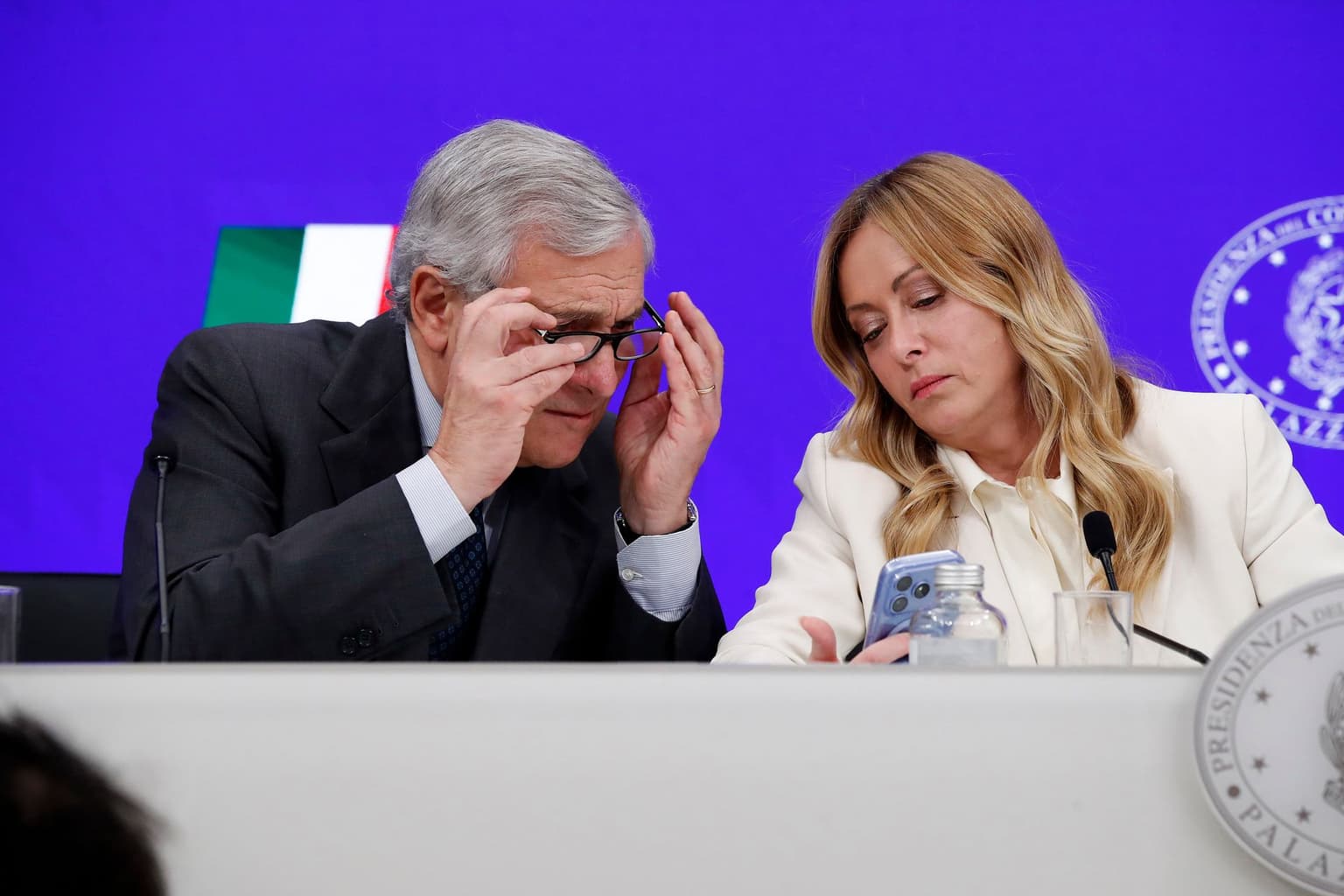
Italian Foreign Minister Antonio Tajani said on Nov. 7 that cybercriminals were spreading his data on the dark web for days and were seeking further information about him and his family.
"My reaction is very simple: I will not let myself be intimidated in any way," Tajani said in his statement on social media platform X.
According to Tajani, who also serves as Italy's deputy prime minister, "the political reason (he) became a target" was the country's continued support for Ukraine.
"Defending the freedom of a sovereign state, fighting in a clear way in favor of democracy and the independence of a nation is dangerous for such a criminal entity," Tajani added.
Tajani also said that the attack was a reaction on Italy's measures to improve the foreign ministry's cybersecurity. Since Jan. 1, a cyber directorate is working to protect Italy's foreign ministry from intrusions from attackers "often linked in some way to state entities hostile to us."
Italy's Prime Minister Giorgia Meloni expressed her full solidarity with Tajani and linked the attack to pro-Russian hackers, Italian media LaPresse reported on Nov. 7.
"I express my full solidarity with Deputy Prime Minister Antonio Tajani for what has emerged regarding the activity of pro-Russian hackers and the dissemination of his personal data on the dark web. The sale of confidential information on institutional representatives is of great concern and must be addressed with the utmost determination," Meloni said.
On Nov. 1, Ukraine's air raid alert system was hacked, Ukraine's Air Force said, as sirens sounded across the country and people received false alerts warning of nuclear, chemical, and street fighting threats.
The Kyiv Independent itself came under a cyberattack on Nov. 4, resulting in website disruption and some readers receiving emails containing fake claims in Russian and English.
The content of the fake claims points to a Russian operation. Hackers gained access to the website’s content management system and to one of the services the Kyiv Independent uses to send newsletters.