EU to activate emergency mechanism to back Ukraine amid deepening energy crisis
 on Google

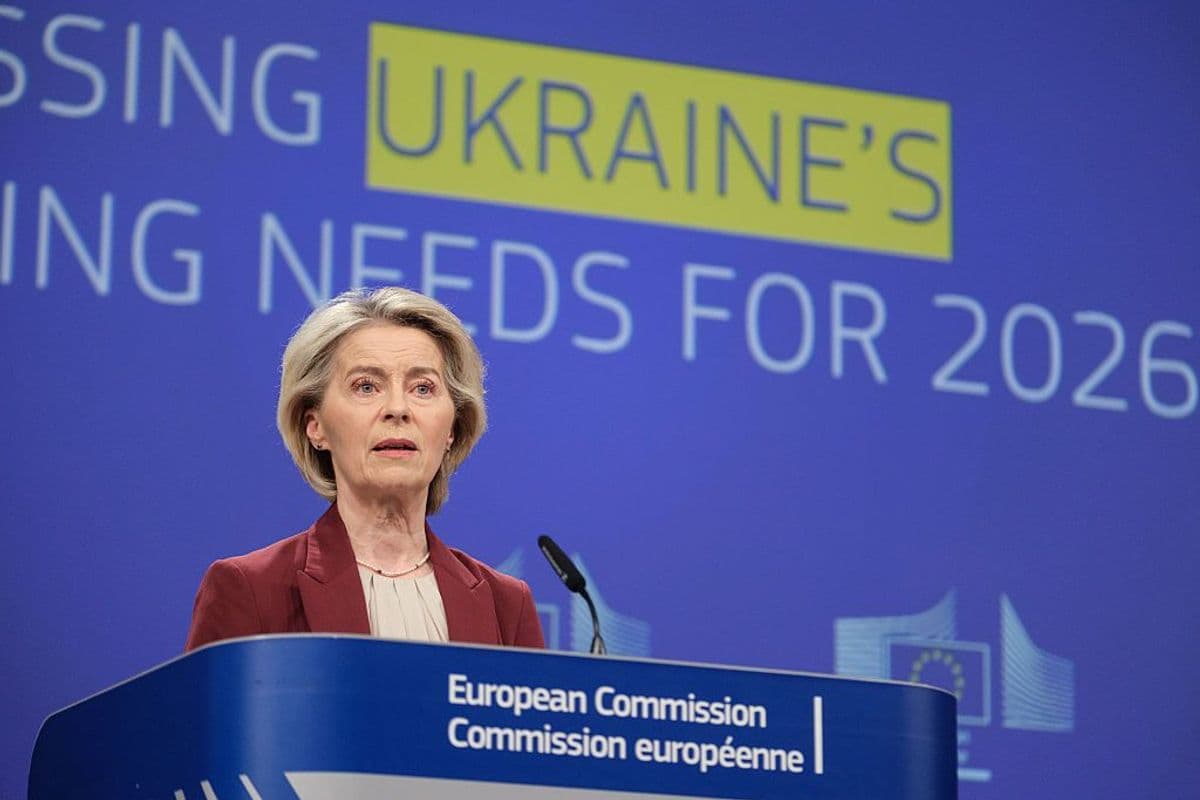
The EU agreed to activate its special emergency mechanism to provide urgent support for Ukraine as it grapples with an energy crisis caused by Russian strikes, President Volodymyr Zelensky announced on Nov. 9.
"This will make it possible to quickly provide Ukraine with funding for what is needed most right now. Our teams are already working on this," Zelensky said on X after a phone call with European Commission President Ursula von der Leyen.
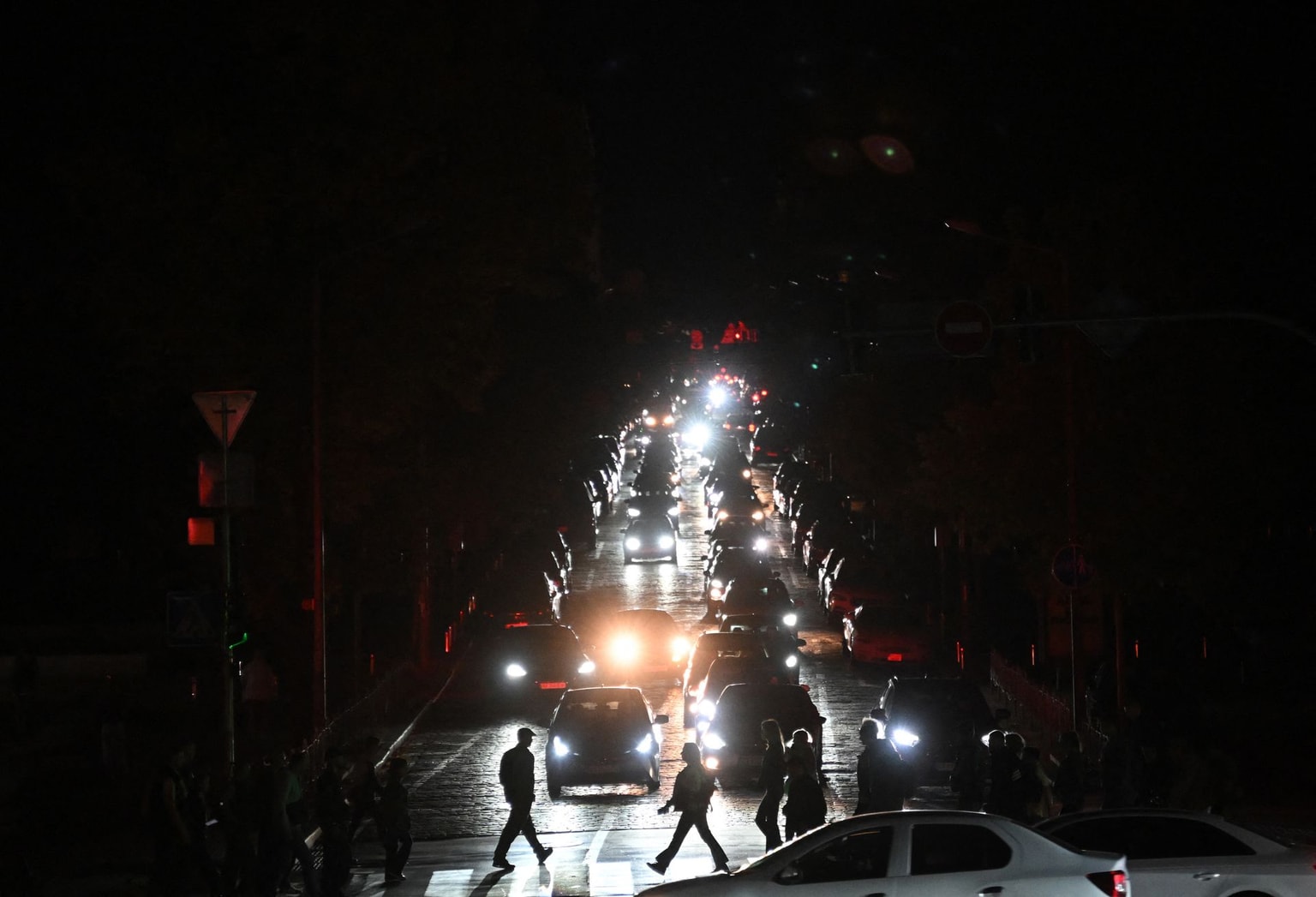
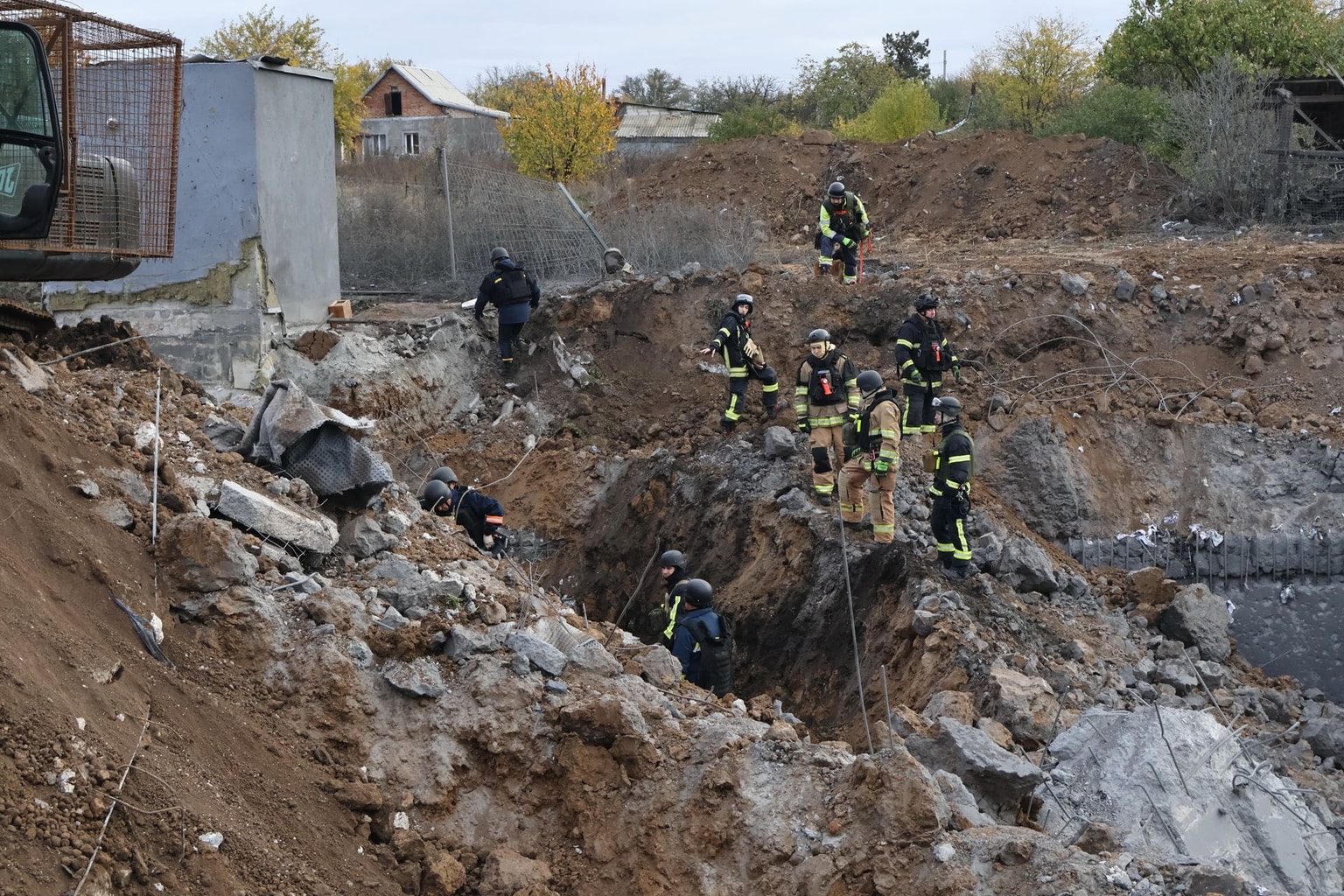
The two discussed Europe's energy and humanitarian assistance as Ukraine braces for another brutal winter of Russian attacks. Moscow on Nov. 3 unleashed its heaviest strike against Ukraine's energy grid of the entire year.
Kyiv, as well as the Dnipro, Sumy, Donetsk, and Kherson oblasts, are those hardest-hit by Russian attacks, said Zelensky.
The aid in question will be provided under the EU Civil Protection Mechanism (UCPM), European Commission spokesperson Eva Hrncirova told the Kyiv Independent.
The mechanism is designed to help member states respond jointly to natural disasters or humanitarian crises.
This support will involve assistance for Ukraine's energy sector, another EU official said, as Russian attacks continue hammering the power grid to deprive Ukrainians of electricity, water, and heating during winter.