'Kyiv is not ready for this' — Ukraine's capital braces for another 'brutal' winter
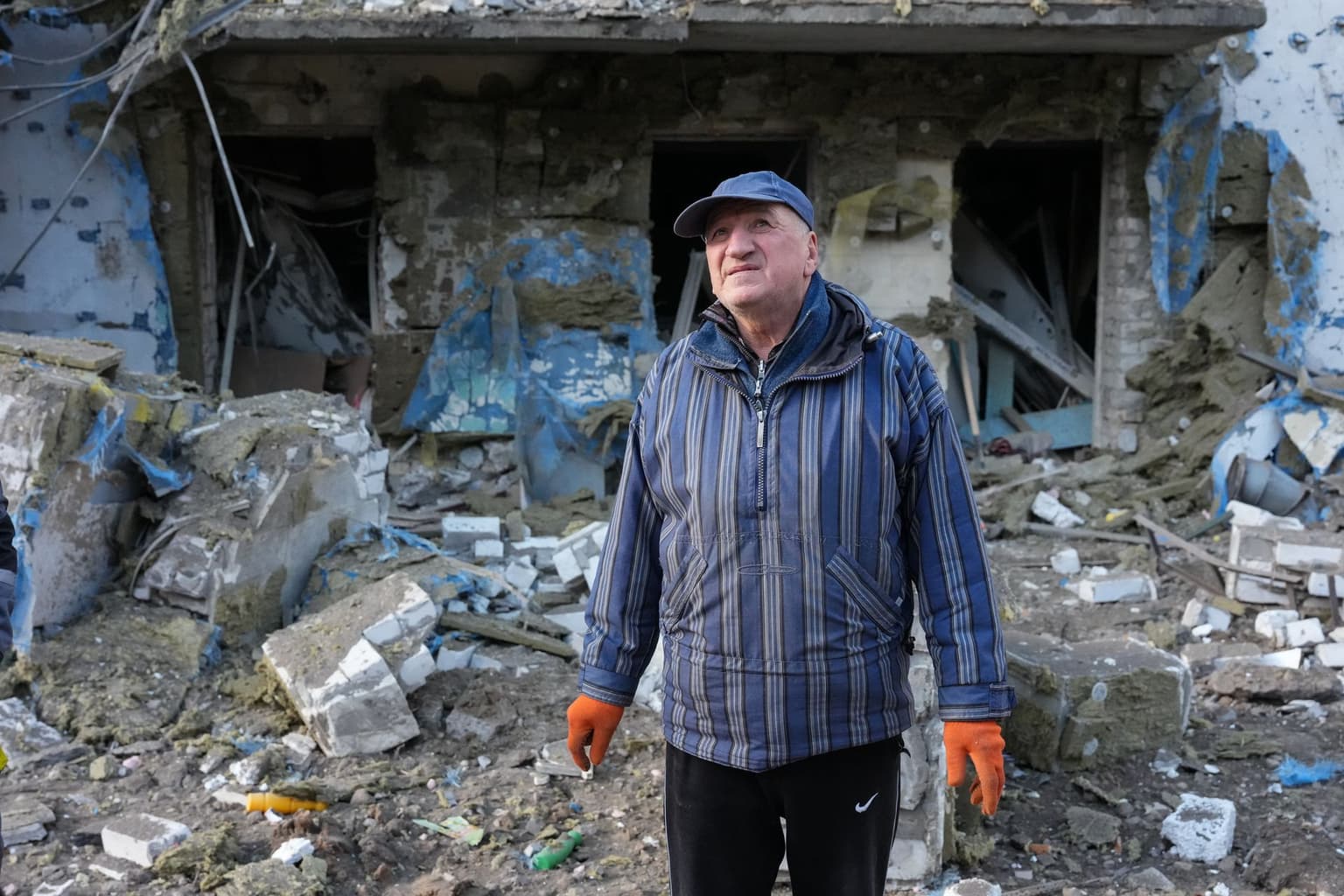
A man stands in front of a building destroyed by a Russian missile strike on Nov. 7, 2026, in Kyiv, Ukraine. (Ivan Antypenko/Suspilne Ukraine/JSC "UA:PBC"/Global Images Ukraine via Getty Images)
 on Google
As temperatures drop, Kyiv residents are dreading a winter that may be harsher than the last.
Russia's escalating attacks, including its mass use of faster, harder-to-intercept jet-powered drones, make locals fear not only for the city's electricity but also for heat, sewage, and food supplies.
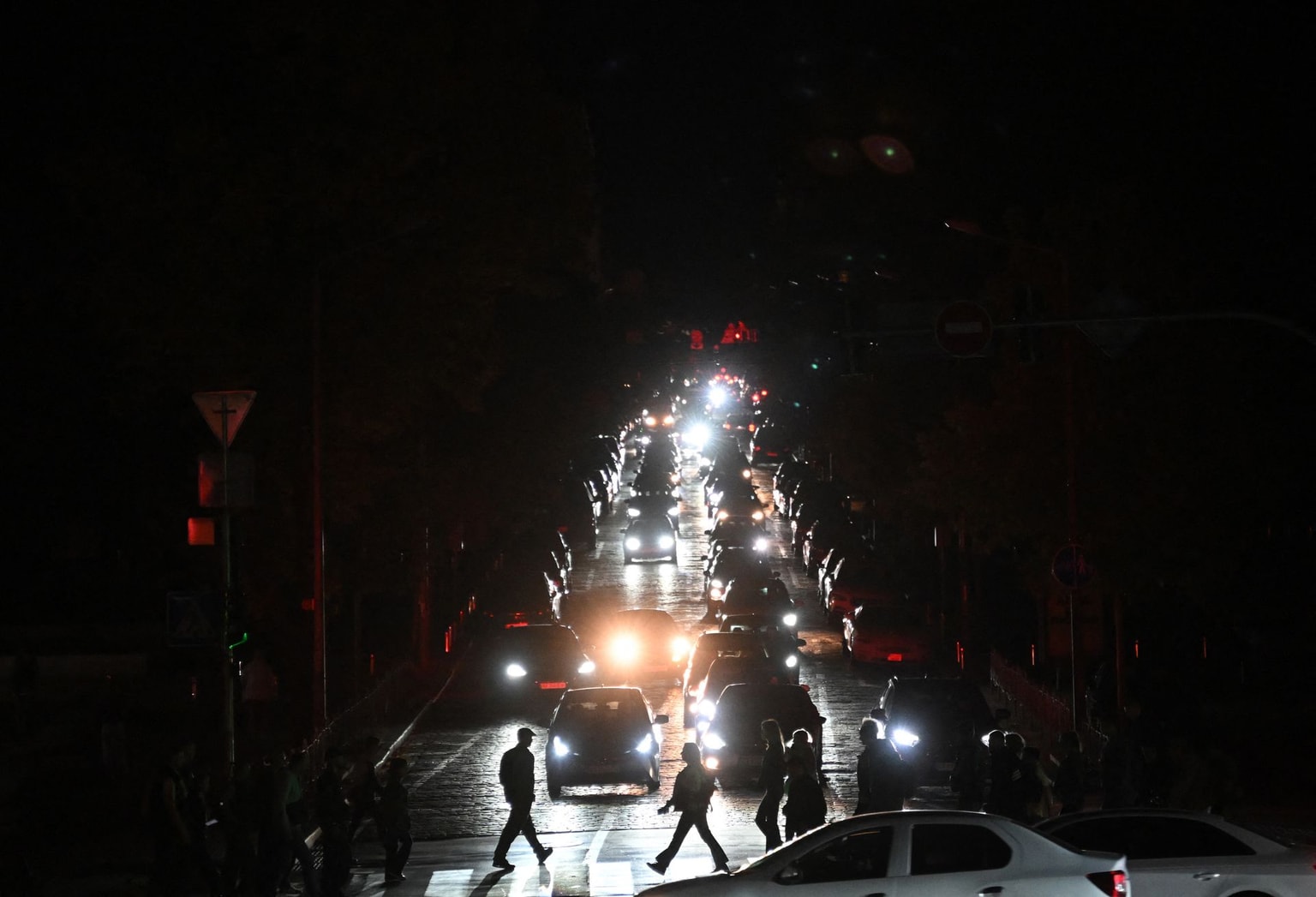
With Kyiv suffering the largest mass attack on energy infrastructure on Nov. 3, people are forced to schedule their lives around daily strikes and power outages.
Many fear that the worst is yet to come with the frosts and are already stocking up on food, water, batteries, and flashlights.
But there is only so much that individuals can do on their own. Some feel that city authorities are not doing their part, citing insufficient shelters and unfinished repairs from previous strikes.
"Kyiv is not ready for this (winter), and it will be difficult for us," Kyiv resident Sofia Hohol, 22, told the Kyiv Independent.
Kyiv's new reality
Oleksandr Gramatskiy, 49, has lived in Kyiv almost his entire life. After his 86-year-old mother broke her foot a few weeks ago, he and his wife drove her to numerous doctors' appointments, crossing the city's Northern Bridge, which became one of Russia's most recent targets.
But the hardest part, Gramatskiy discovered, was getting his mother home to her 13th-floor apartment.
After one of the doctor's appointments, they spent over four hours parked in front of his mother's high-rise apartment building, waiting for the power to come back so they could take the elevator.
"I thought I would have to carry her; I even tried it one time, but it's impossible," Gramatskiy said.
His mother cannot leave the apartment alone because power shutdowns occur unexpectedly almost every day.
On days when he has to take her to the hospital, Gramatskiy fears how long it may take to bring her back and when he will manage to return home himself.
"Once, I even broke the curfew because of this. I had to tell every police officer who stopped me on the way home about the crazy situation with my mother."
Residents across the city grapple with similar unpredictability. Schedules are usually released only the day before, and there is always the chance of an unplanned emergency outage due to fresh Russian strikes.

Olha, 40, is a mother of two who looks to the coming winter with anxiety. Her fears have extended to potential shortages of other daily necessities — food and water.
Besides energy facilities, Russia has started targeting Ukraine's logistical infrastructure, hitting warehouses and supermarket distribution centers. In shops across Kyiv, some foodstuffs have begun to disappear from shelves.
Seeing this, Olha panicked, fearing that her children would not have enough to eat in the coming winter.
"I don't know what came over me; I just started grabbing everything at the supermarket because I was scared we wouldn't have food anymore," she told the Kyiv Independent.
"I now have double or triple the amount of everything. I had to start using my balcony as storage for canned vegetables, rice, and water containers."
Olha laughed when she recalled her behavior in those moments. But when talking about the coming winter, her smile quickly faded.
"I know it was silly to buy all this food, but now, in today's situation, you just never know," she said.
Olha showed the Kyiv Independent a photo of her balcony. At least four large water containers, dozens of cans, and bags of various grains stood next to her child's bicycle.
"Personally, (these food supplies) help me sleep better at night," said Olha.
read also
Hardships, old and new
For many, fears of the coming months are fueled by the harrowing experience of the previous winter.
"My mother's house didn't have heating for almost a month and a half last year. Sometimes the radiators would barely get warm," Yuliia, 35, a Kyiv native, told the Kyiv Independent about how her family endured the last winter.
"There was simply no hot water at all until, well, until the summer," Yuliia added.
When describing life in Kyiv, she was blunt: "It's just brutal."
But there are signs that the new winter will bring even harder challenges, as Russia's tactics have evolved since last year.
Ukraine's power grid faces a growing threat from jet-powered drones, which are more difficult to shoot down than older Shahed models.

Olena Pavlenko, the president of the Kyiv-based energy think tank DiXi Group, told the Kyiv Independent that Russian jet-powered drones "changed the game to some extent" since they are cheaper to produce than missiles and can "destroy more distributed generation infrastructure."
While resuming its strikes on power stations and substations, Russia has also begun hitting power lines, depriving residents of electricity for extended periods until repairs are carried out.
Cold radiators and dark homes will likely remain among the main concerns this winter, but another crisis is at hand — sewage.
Kyiv's sewage system is entirely dependent on electricity. Without it, wastewater processing halts, and sewage from the city cannot be transported to wastewater plants.
There are fears that backed-up sewage could flood the city, causing a sanitation crisis in a city of 3 million people, comparable in size to Berlin.
"Transporting and treating wastewater is a major challenge for utility companies. Equipment is aging, and a lack of electricity for pumping can have serious consequences," Oleksandr Skhin, the director of Ukraine's Association of Water Utilities, told the Kyiv Independent.
And water outages have also become an everyday occurrence for Kyiv residents, with the disruptions after the Nov. 3 ballistic missile attack being "the most serious" the city has seen since the beginning of the full-scale invasion.
Boiling point
Despite last year's hardships, many locals — and top voices in the central government — say that Kyiv authorities have not quite learned their lesson.
President Volodymyr Zelensky said on Nov. 6 that, among all cities and regions, Kyiv is experiencing the worst power outages due to the city authorities' failure to prepare for winter.
"In almost all regions of Ukraine, including border and front-line areas, resilience plans have been implemented more effectively than in the capital," Zelensky said separately on Oct. 13.
Kyiv Mayor Vitali Klitschko hit back, saying that the central government had not approved Kyiv's resilience plan for nearly six months

While Zelensky and Klitschko have a long-running political rivalry, some residents also hold the mayor responsible, pointing to unfinished repairs, an insufficient number of shelters, and a lack of transparent communication.
In early September, the Kyiv Independent reported on inadequate winter preparation as some locals were still at the beach. But as days grow shorter and colder, the issue has taken on renewed urgency.
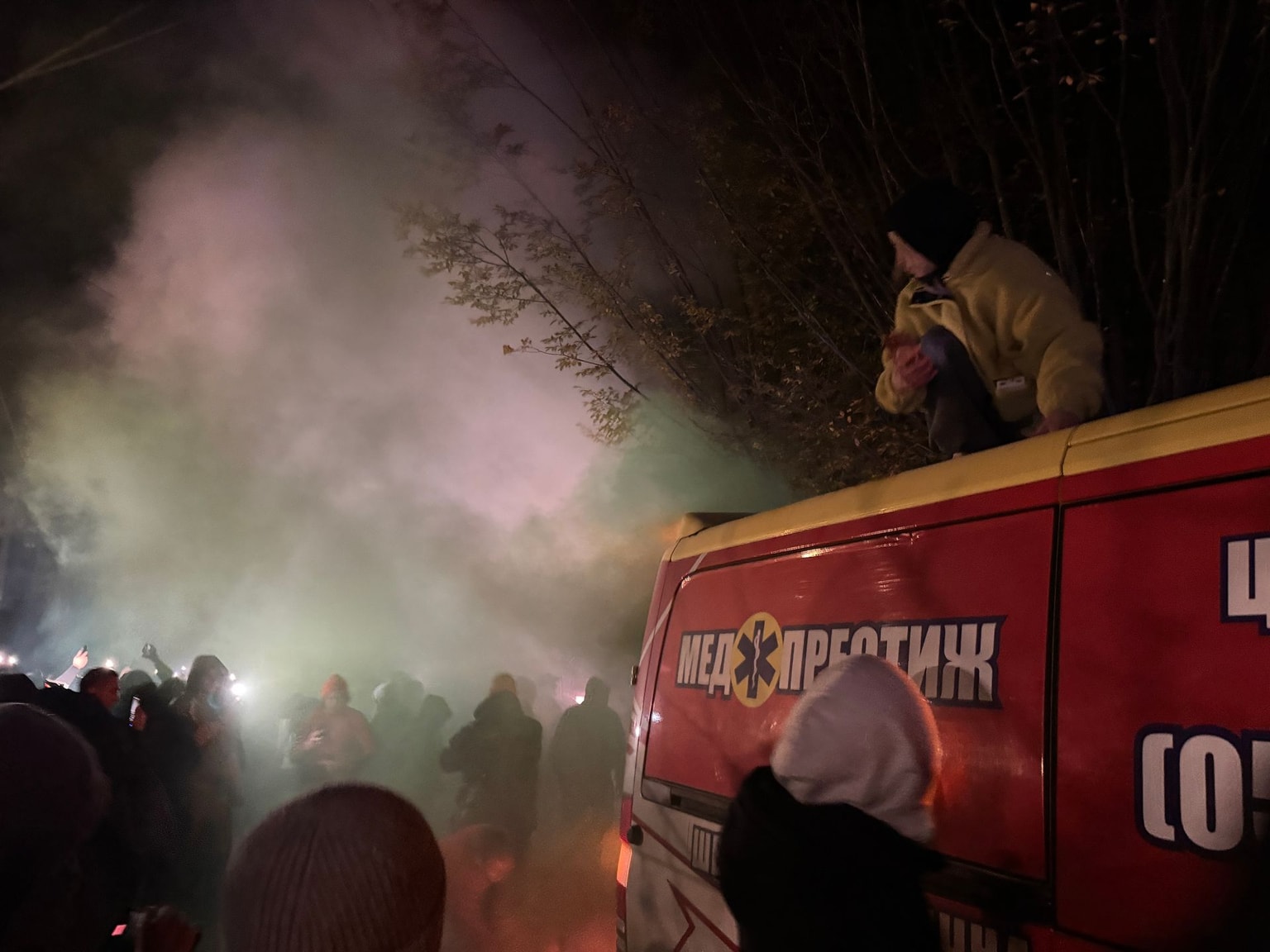
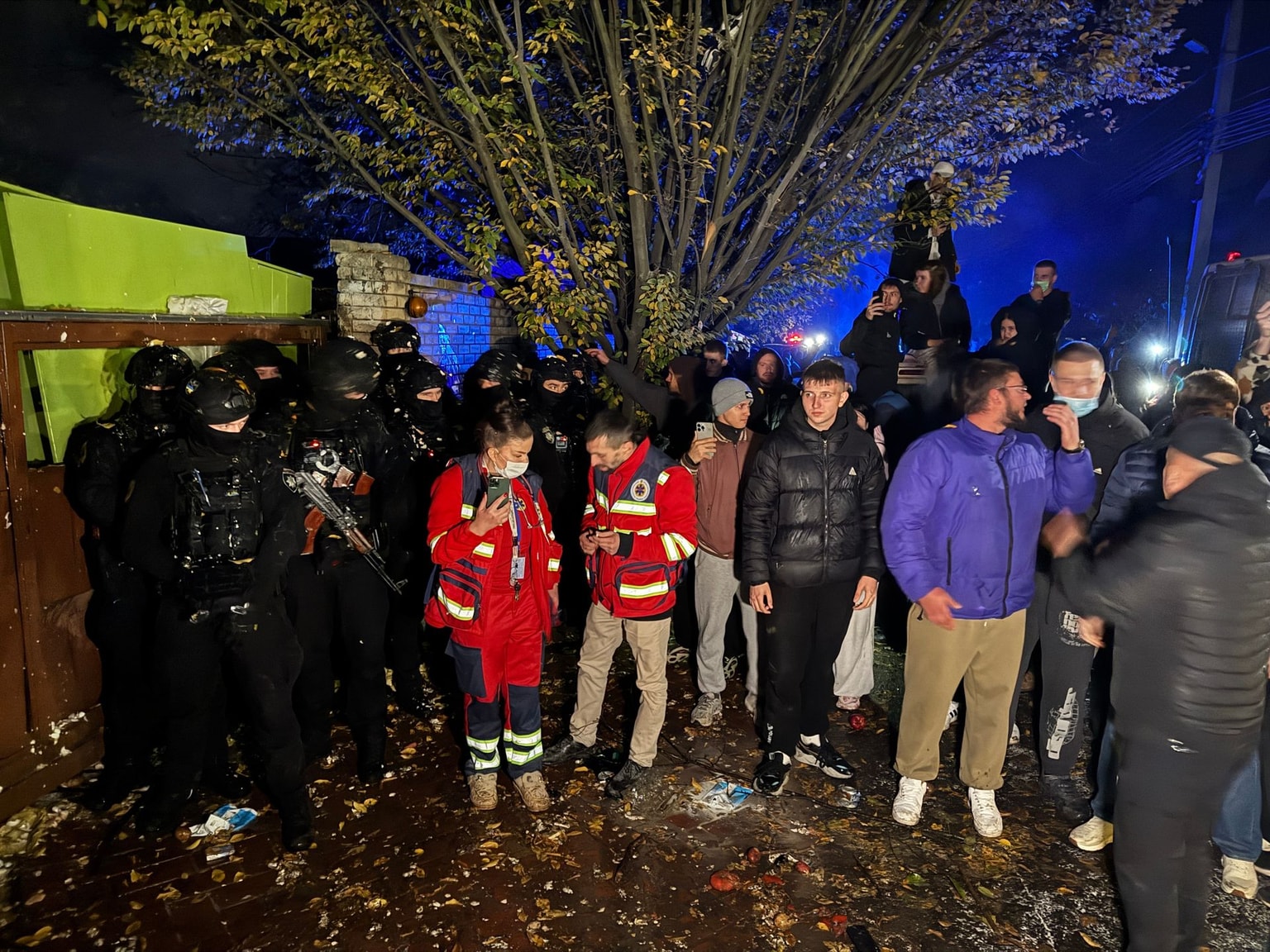
Hundreds of people gathered in front of the city council on Oct. 17 to express their frustration with the city's administration and demand that the Kyiv mayor resign from a post he has held since 2014.
"Almost every day, when I go to work, I look at the hole in my house and at the inaction of the authorities," said Hohol, a business analyst in the public sector, who attended the protest.
Her residential building was struck during a drone attack last June, yet she says the authorities have not taken care of the necessary repairs or done anything else to help.
"I think that the city administration failed to prepare for the winter, because I noticed, for example, that our district's combined heat and power (CHP) plant remains completely destroyed," said another protest participant, Yelyzaveta Semko, 27.
Repairing damaged infrastructure is another point of contention in Kyiv. Klitschko said on May 6 that the central government was withholding funds it had promised for repairs to Kyiv's CHP-5 power plant after it was damaged in Russian attacks last winter.

As the winter approaches, Yelyzaveta does not know what to expect.
"What should we do about winter? Will we have heating at all? No sensible answer (from the authorities) has even been given yet," she told the Kyiv Independent.
Semko said she and her neighbors raised money for a generator as their faith in the city's power supply dwindled.
The issue of shelters has also become increasingly pressing as Russia has ramped up its attacks on Kyiv.
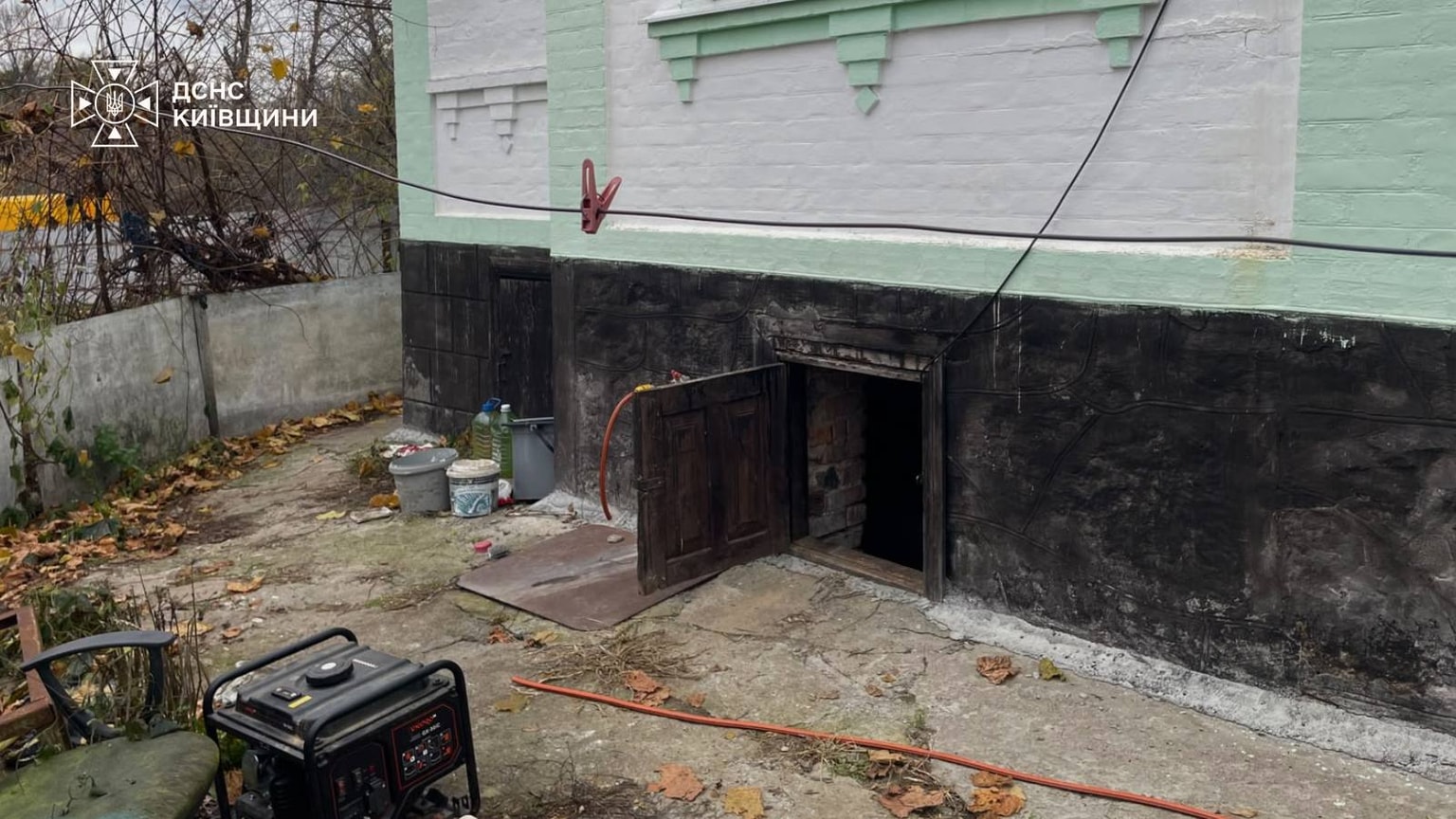
"Where I live, there is only a basement that constantly floods, and there are no normal shelters nearby," said Semko.
Klitschko pledged in September that within a month, up to 50 mobile shelters would be set up near public transport stops that lack permanent shelters.
That promise rang hollow when the Kyiv city administration announced weeks later that only 14 shelters would arrive — by the end of the year.
"The city administration is directing budget funds to some unnecessary expenses during the war, to some glass bus stops, to re-laying pavements, and so on," Semko lamented, holding a sign that read "We need shelters, not glass bus stops."
Feeling that their city is unprepared for the challenges of the coming winter, some residents decided to leave Kyiv.
In an interview with AFP on Oct. 8, Klitschko even suggested that those who can temporarily relocate should do so to ease the strain on the city.
However, not everyone can, or is willing to, abandon their lives here.
"My entire life is here, my boys' school, their grandparents, our apartment. I can't imagine leaving it all behind, but I don't know how long I can go on like this," Olha said.