Canada unveils new Russia sanctions targeting defense industry, cyber activities
 on Google

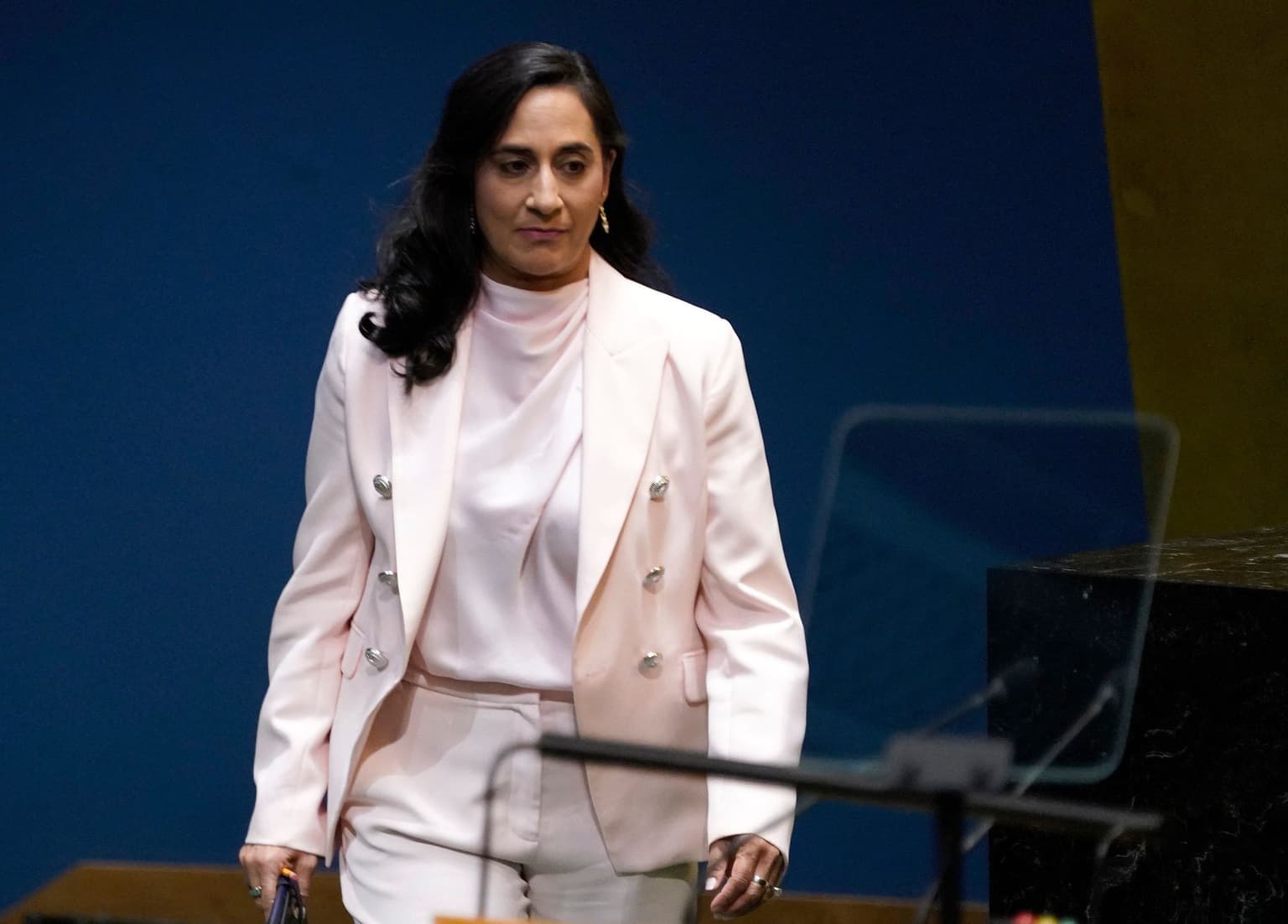
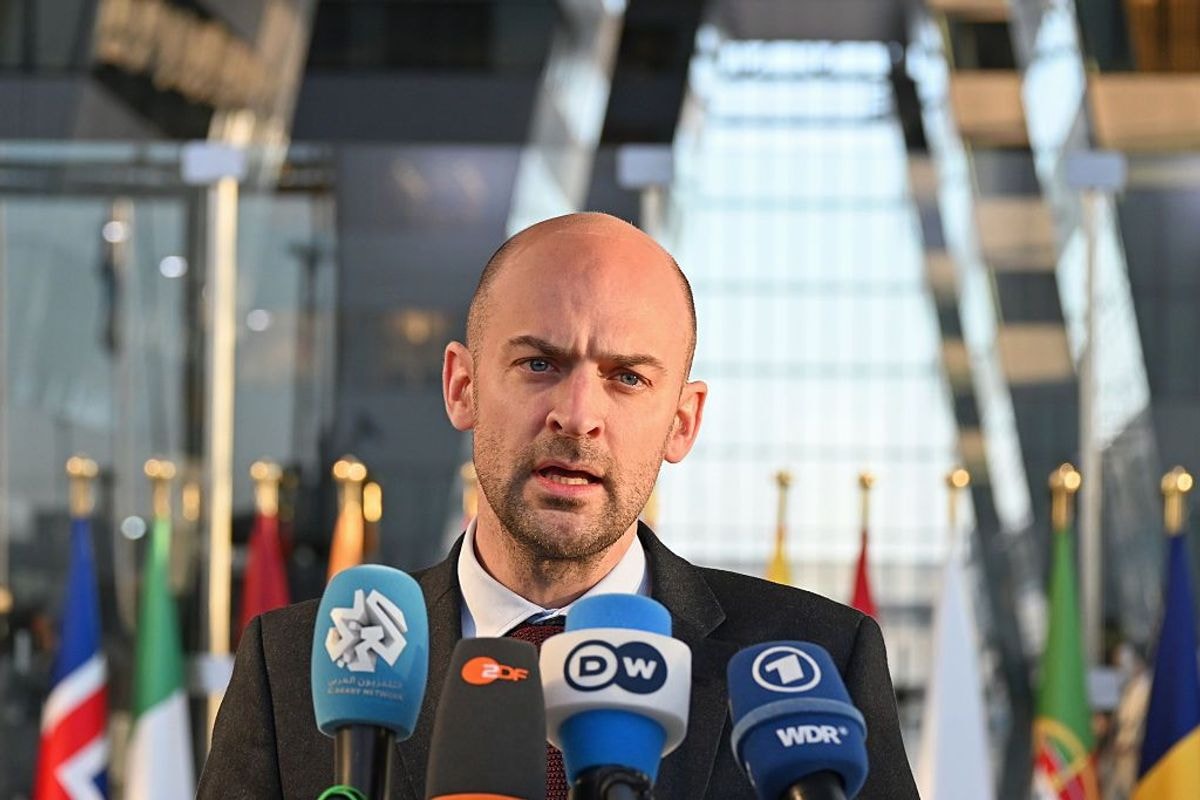
Canadian Foreign Minister Anita Anand on Nov. 9 announced new sanctions targeting Russia's defense industrial base, including actors involved in the production of ballistic missiles.
The sanctions package was announced on the margins of the G7 foreign ministers' meeting in Paris and includes 38 entities and 24 individuals, the Canadian government said in a statement.
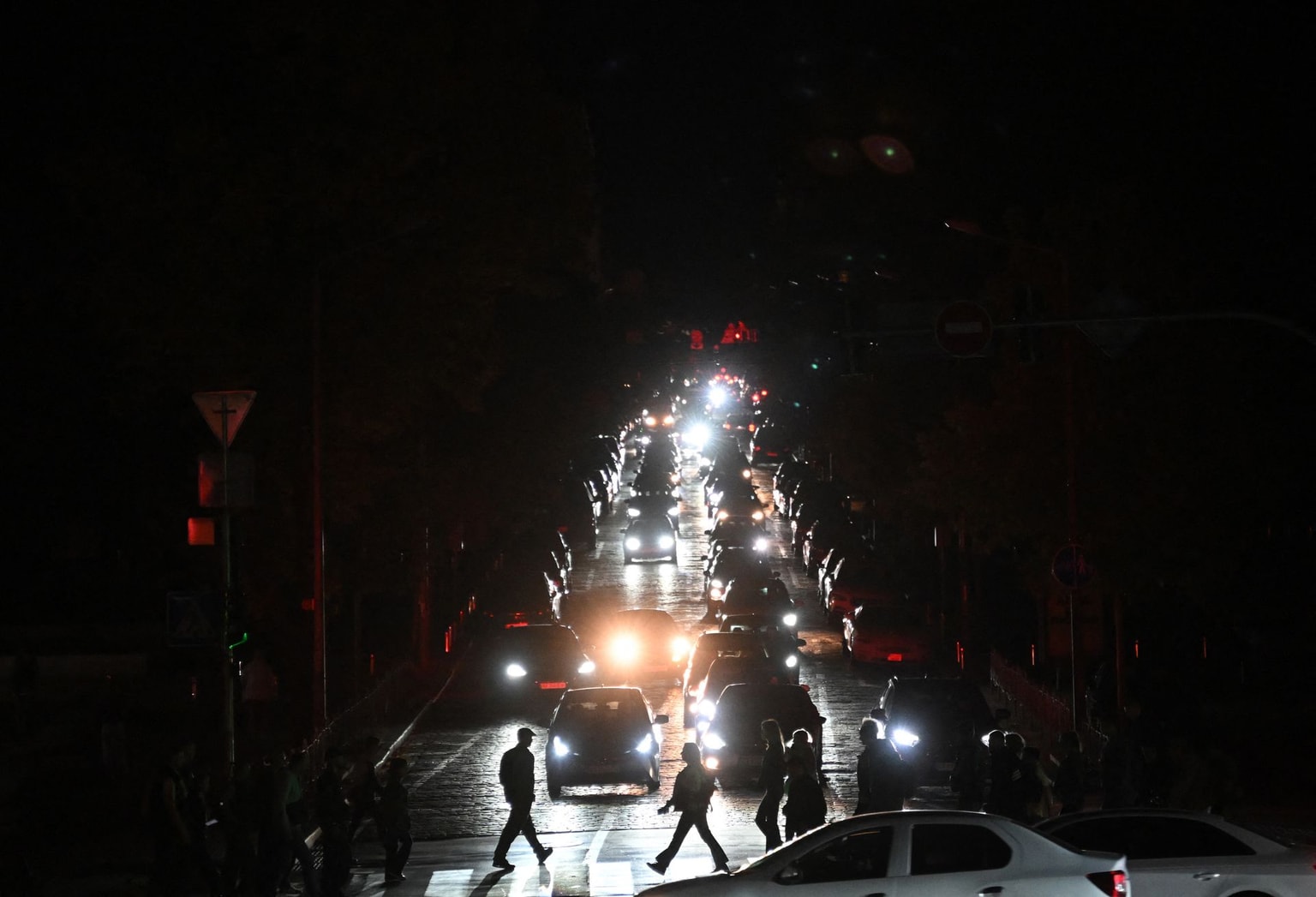
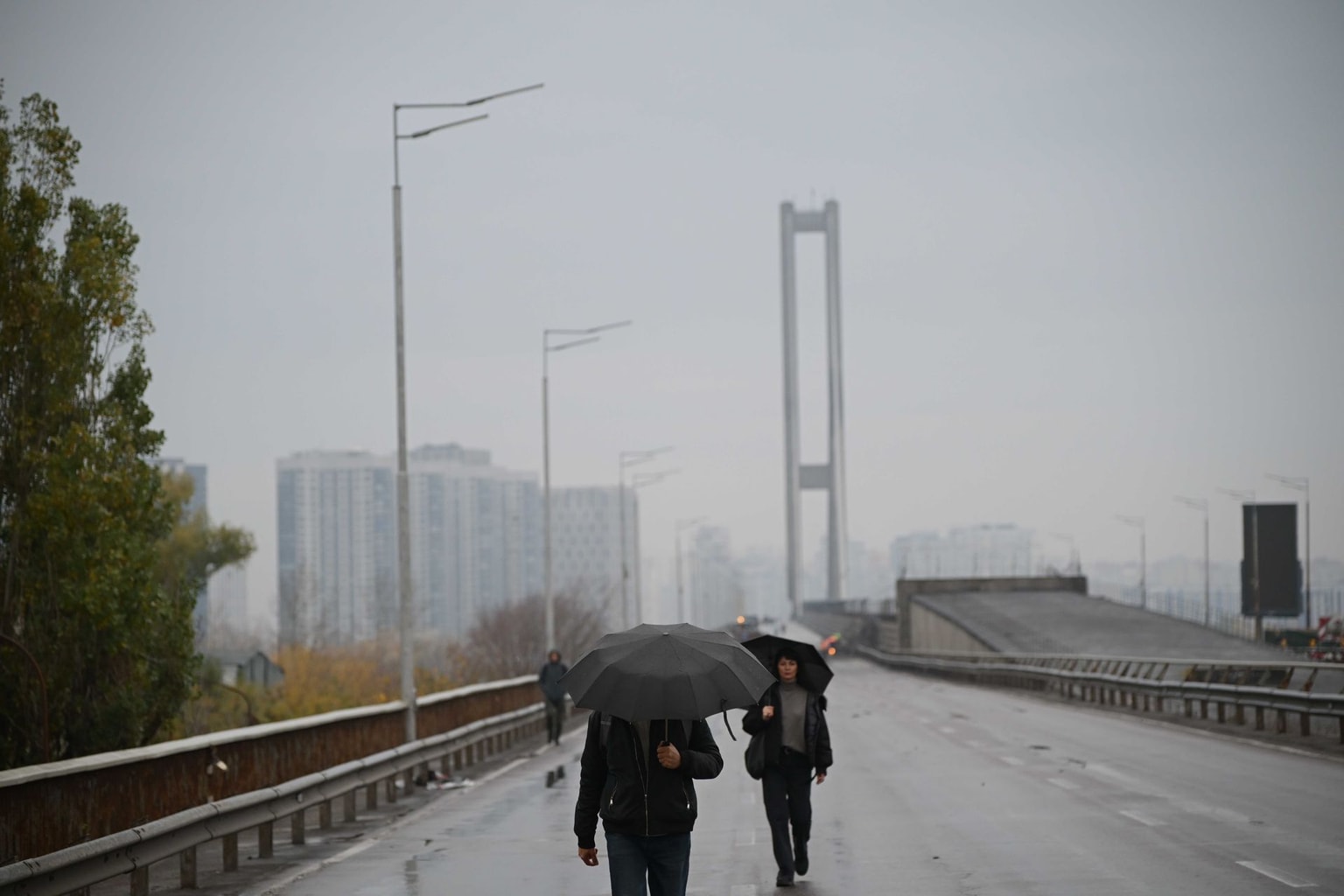
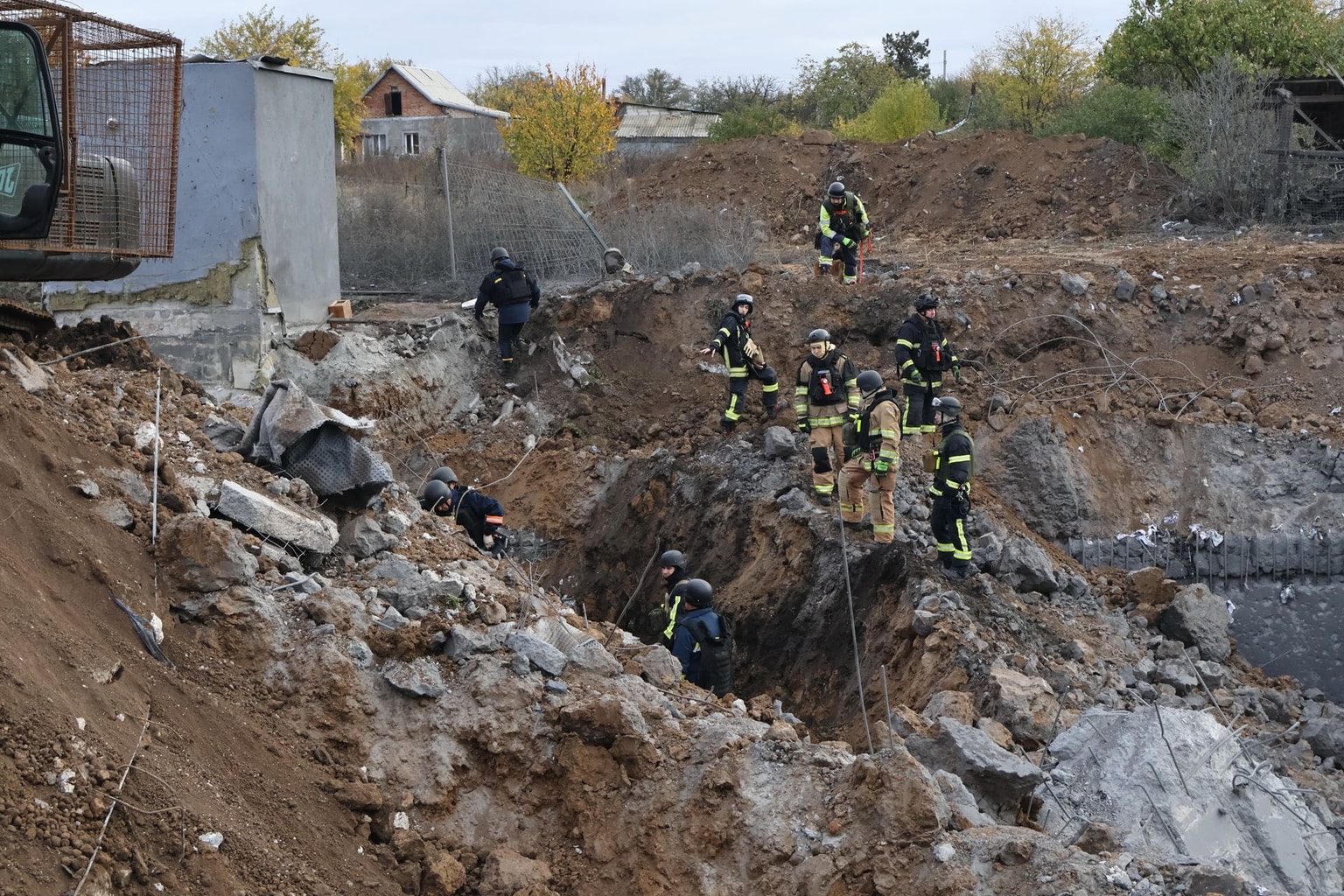
The news comes as Russia renews its onslaught against Ukraine's power grid, causing widespread outages of electricity, heat, and water as winter nears.
"Canada is taking action to undermine (Russian President Vladimir) Putin's capacity to strike Ukrainian cities with its missiles," Anand said.
"We remain steadfast in our support for Ukraine and will continue to impose costs on Russia until it ends its aggression and respects Ukraine's sovereignty and territorial integrity."
The package also targets Russia's cyber activities and entities that Russia uses to bankroll its war against Ukraine, such as crypto exchanges.
Kyiv has been urging its international partners to ramp up economic pressure on Moscow to push it toward peace talks, as well as to boost financial support for Ukraine.
Ottawa on Oct. 30 announced it would contribute 500 million euros ($559 million) to the European Union to help Ukraine bridge its 70 billion euros ($78 billion) budget shortfall next year.