US approves $2.1 billion Patriot missile sale to Ukraine as NATO commander dismisses delivery concerns
 on Google
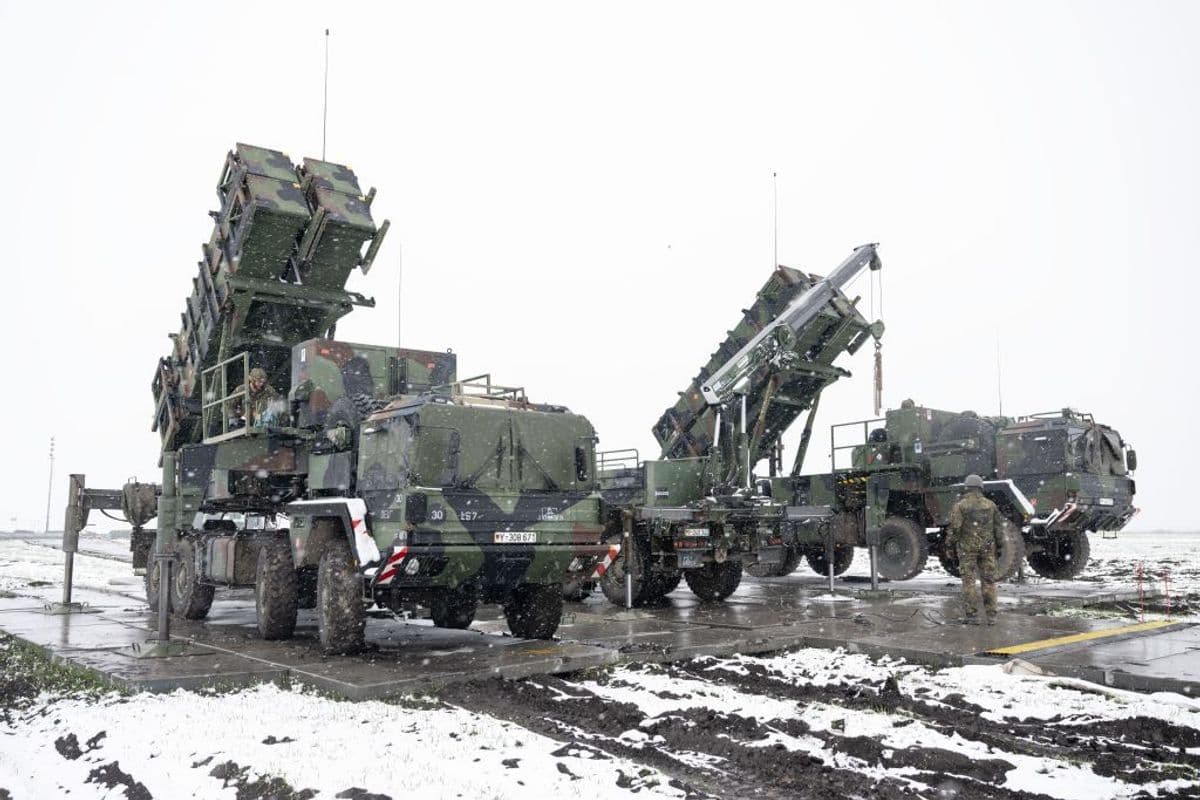
The U.S. State Department approved a $2.1 billion sale of 500 Patriot interceptor missiles to Ukraine on Oct. 30, the same day as NATO's top military commander said deliveries of American-made weapons purchased by European allies were continuing without delays.
The proposed package includes PAC-3 Missile Segment Enhancement (MSE) interceptors (an advanced, high-velocity interceptor designed for the Patriot air and missile defense system), spare parts and logistical support, according to the State Department's announcement.
The purchase would be financed by Canada, Germany and Norway through the JUMPSTART program, a U.S.-led fast-track procurement framework that allows international allies and partners to finance and quickly secure American-made weapons. No U.S. government funds would be used, and Ukrainian funds supported by the European Union's Ukraine Support Loan would make up additional funds.
The approval represents a step toward a possible sale rather than a completed purchase, and a timeline was not mentioned. The United States Congress generally has 30 days to review a proposed sale to Ukraine, while manufacturing and delivery of complex weapons systems can take years.
Speaking to reporters in Riga, Latvia, on Oct. 30, NATO's Supreme Allied Commander Europe, General Alexus Grynkewich, said Washington was continuing to supply Ukraine with Patriot missiles and weapons purchased under the NATO-coordinated Prioritized Ukraine Requirements List (PURL), Bloomberg reported.
"Everything has been delivered, in fact, we just had the delivery within the last week," Grynkewich said.
"I won't go into the numbers or types of missiles, but deliveries have been ongoing."
Grynkewich said that no items included in PURL packages paid for by European allies had been delayed.
"Every single third-party transfer that has been requested of the U.S. government has been approved," he said, adding that NATO was also continuing work on future PURL packages.
His assurances contrast with recent statements by President Volodymyr Zelensky, who has repeatedly raised concerns about delays in U.S. authorization for urgently needed air defense missiles.
On Oct. 18, Zelensky said Washington had approved only some of the Patriot interceptors already purchased through the PURL initiative, leaving others awaiting authorization.
The president subsequently said Ukraine had been waiting nearly a month for U.S. Defense Secretary Pete Hegseth to approve transfers of Patriot and NASAMS missiles from allied countries.
Zelensky said Ukraine received an average of just 12 Patriot interceptor missiles per month from the United States in 2026, far fewer than needed to defend against Russian ballistic missile attacks.
"Imagine: you can count on 150 missiles per year from America, but you need to shoot down 150 ballistic missiles a month," Zelensky said, according to Interfax-Ukraine.
The difference in numbers underlines Kyiv's urgent need for additional missiles to protect Ukrainian cities and critical infrastructure from Russian ballistic missile attacks.
Ukraine receives American-made air defense missiles through several different streams, including PURL purchases and transfers from allied stockpiles, which still require U.S. approval.
Ukraine is also developing its own defensive systems in an effort to reduce its dependence on foreign weapons supplies. The Ukrainian-designed missile defense system called Freyja is intended to intercept ballistic missiles. Ukraine has completed its portion of the project, but key components from European partners remain in development, Defense News reported on Oct. 30.
The reported new U.S. sale comes amid tensions between Washington and Kyiv over military assistance and negotiations to end Russia's war.
U.S. officials have disputed suggestions that delays in weapons transfers were intended to pressure Ukraine to limit strikes on oil processing infrastructure and depots in Russia. Secretary of State Marco Rubio said on Oct. 20 that any hold-ups were not the result of a deliberate political directive.
Ukraine continues to face Russian ballistic missile attacks on civilian populations, transportation, schools, hospitals, and energy infrastructure as it seeks additional interceptors ahead of winter.