Ukraine adopts unified rules for identifying dead civilians and soldiers
 on Google

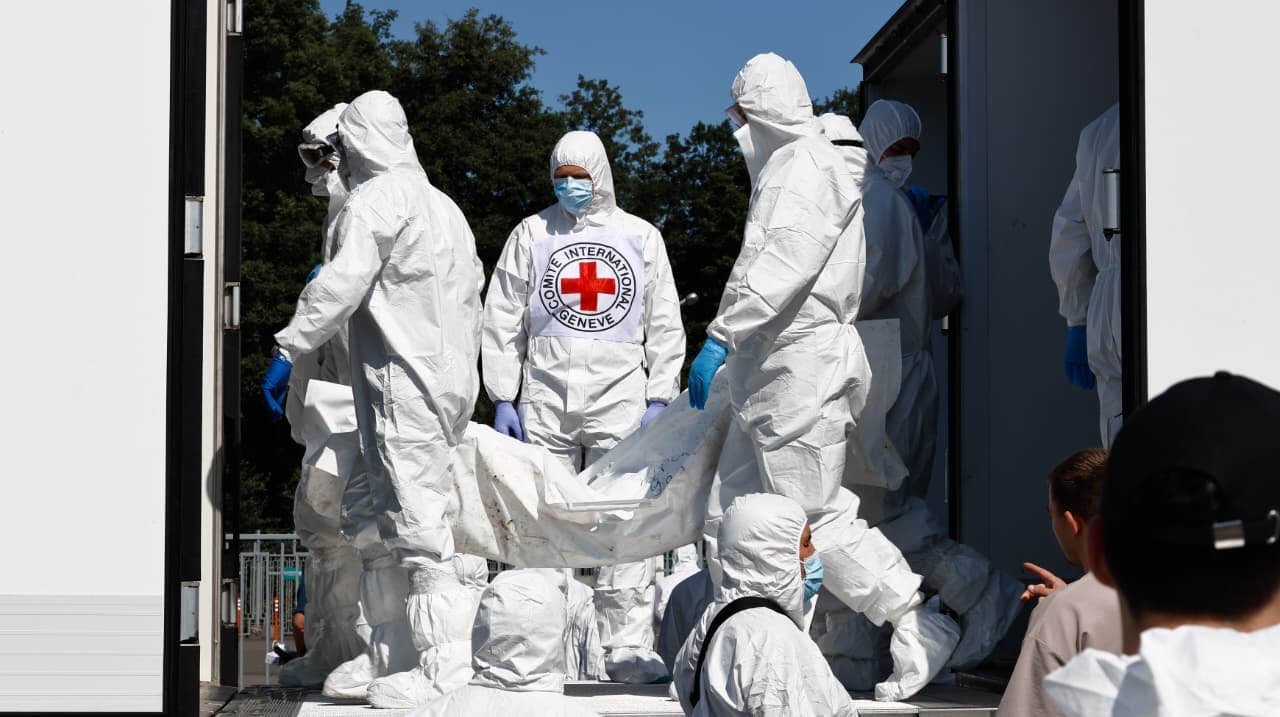
Ukraine's government has approved a single set of procedures for the teams that identify the bodies of fallen soldiers and civilians, Prime Minister Serhii Koretskyi said on Nov. 6.
All interagency regional teams will now follow the same rules for examinations, forensic medical studies, collection of biological samples, and documentation, Koretskyi said.
A unified coding system has also been introduced so records are accurate and data needed to establish identities is not lost.
"This way we are removing unnecessary delays, making the research higher quality and the teams' cooperation more coordinated at every stage," Koretskyi said.
The draft 2027 budget earmarks more than Hr 600 million ($13.26 million) for forensic medical examination, including equipment for regional bureaus, the prime minister added.
"It is important that families receive reliable information about the fate of their loved ones faster and can bid them a dignified farewell," he said.
Identifying the dead can rely on matching DNA from remains to samples from relatives. That is a major challenge in Ukraine, given the difficulty of retrieving bodies from the battlefield or attack sites.
Presidential Office head Kyrylo Budanov said on Oct. 2 that more than 26,000 bodies and remains have been returned from Russia and that "a significant portion" remain unidentified. He did not provide a figure for the number of unidentified dead.