'Every fallen hero will be found' — Kyiv to speed up identification of fallen Ukrainians, Budanov says
 on Google
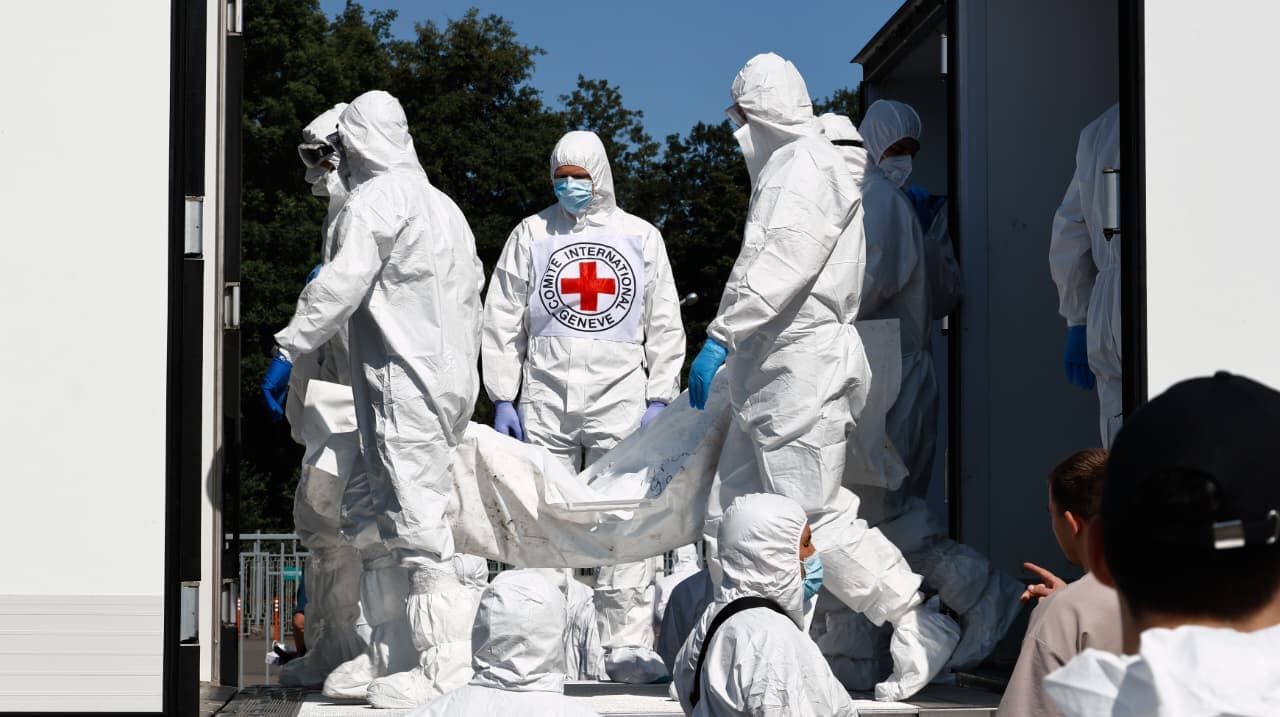
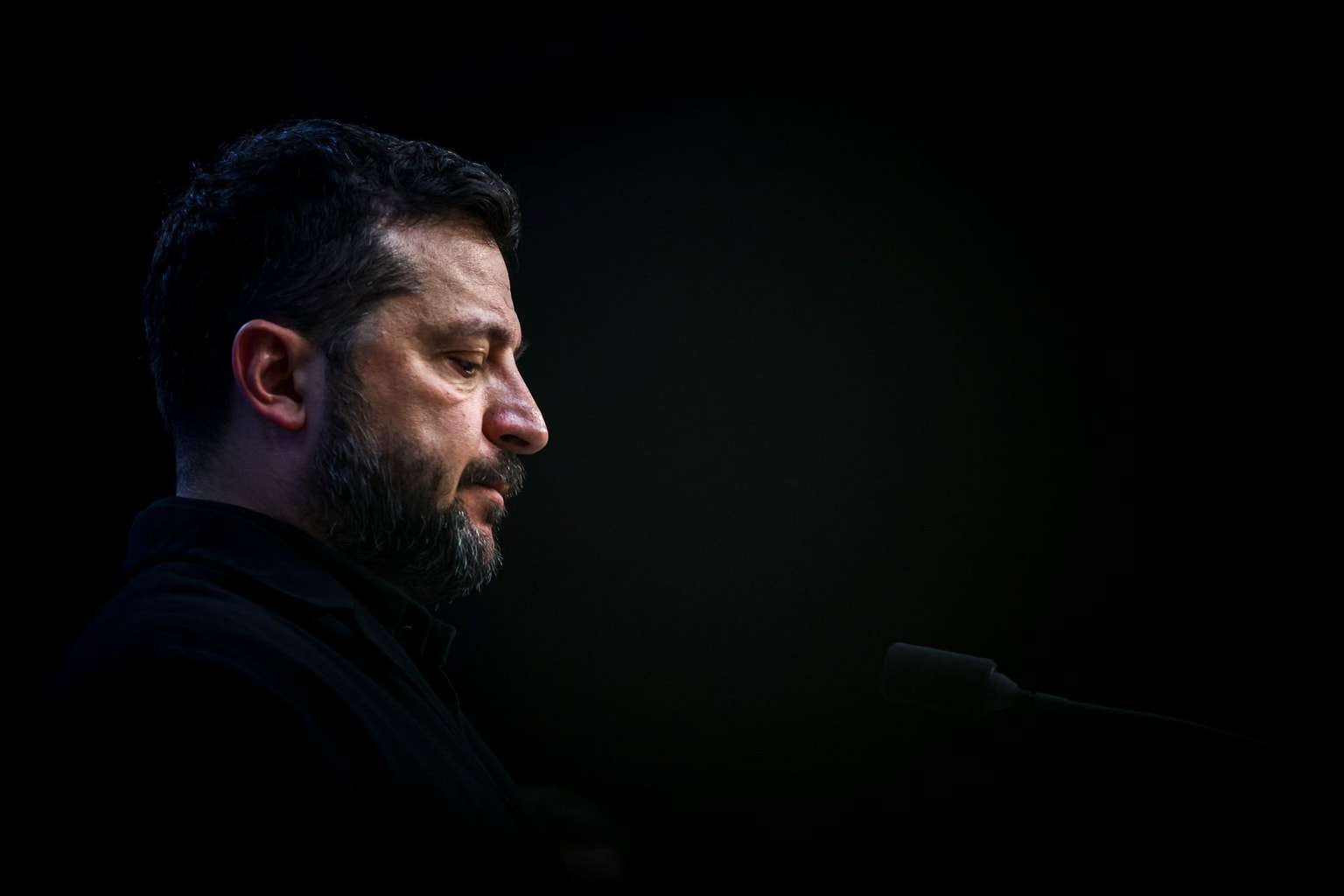
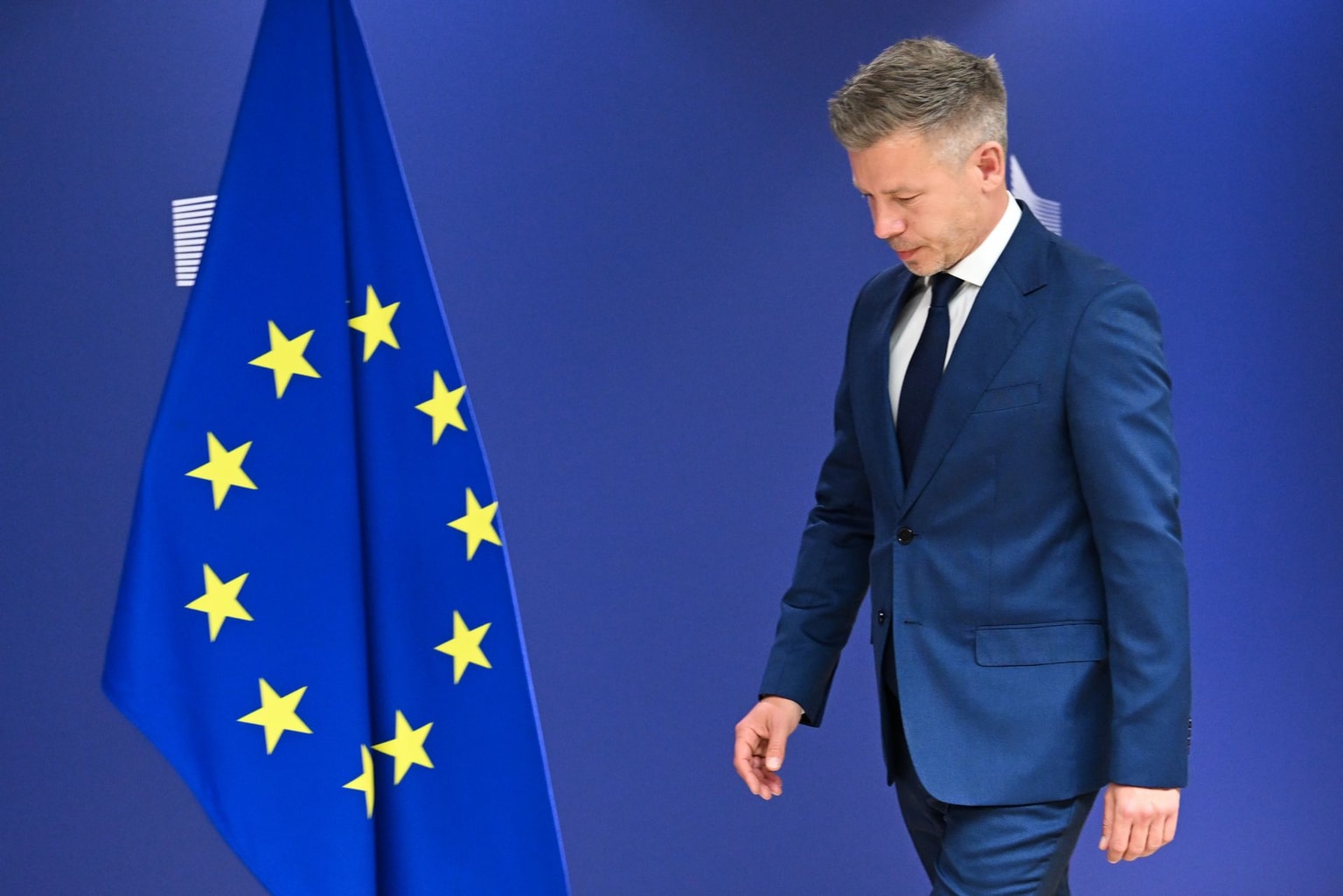
Ukraine is developing a plan to accelerate the process of identifying the bodies and remains of deceased Ukrainians repatriated from Russia, Presidential Office Head Kyrylo Budanov said on Oct. 2.
Repatriation operations are one of the few areas of continued humanitarian cooperation between Kyiv and Moscow. Ukraine regularly repatriates fallen soldiers and civilians from Russian territory, with return efforts increasing after peace talks resumed in early 2025.
Over 26,000 bodies and remains of Ukrainians have now been returned, according to Budanov. But of those tens of thousands, "a significant portion" remain unidentified.
"Why is the identification process so slow, and why are families forced to live in a state of uncertainty for months and years?" Budanov said.
The problem was discussed at an Oct. 2 meeting, chaired by Budanov, between the Families of Fallen Defenders of Ukraine and the Coordinating Council on the Protection of the Rights of War Veterans and Family Members. Participants developed an action plan to accelerate the process of identifying repatriated bodies.
An interagency organization will be established to review the work of forensic departments in various regions of Ukraine and facilitate additional international resources for DNA analysis, Budanov said. The government, in turn, will "adopt all necessary legal and regulatory decisions" in order to speed up identification procedures.
"I am convinced that bureaucratic delays and violations of regulations in the forensic examination system are unacceptable," Budanov said.
Budanov did not specify how many bodies remain unidentified.
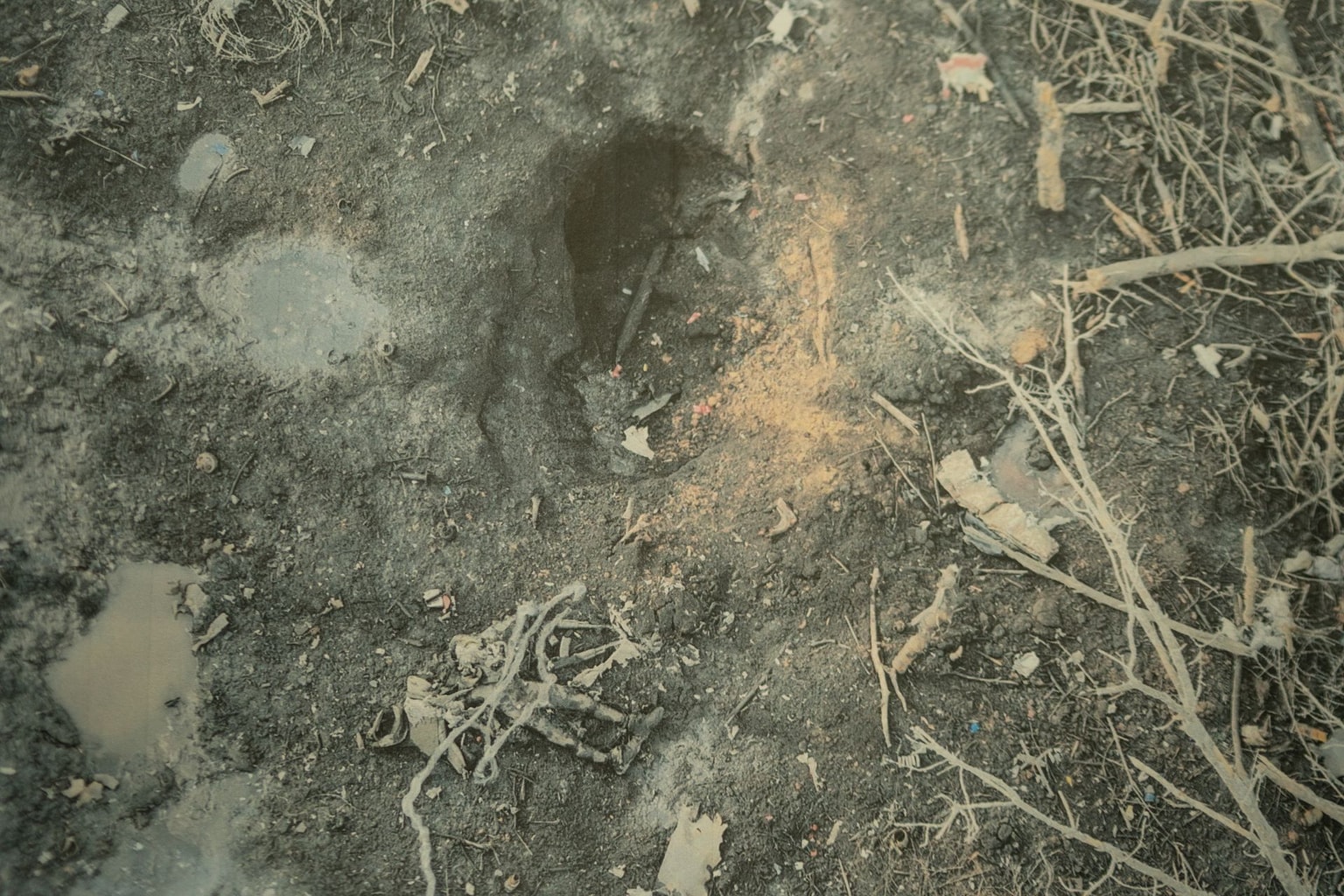
Bodies repatriated from Russia can present serious challenges to the forensic examiners and medical personnel tasked with identifying the deceased. These remains are often returned months or years after death, complicating autopsies. Sometimes, only a bone or a finger is returned.
The vast number of Ukrainian war dead has also put a strain on staff and facilities. Following a repatriation event, which occurs roughly once a month, already overwhelmed morgues may be flooded with hundreds of bodies.
The most recent repatriation operation was recorded on Sept. 17, with Ukraine returning the bodies of 252 Ukrainians from Russia.
While Ukraine regularly reports the number of repatriated bodies it receives from Russia, it does not publish data on the remains of Russian soldiers returned to Moscow.
Budanov said that accelerating the identification process was "a matter of state responsibility" for Ukraine.
"Families must receive information about the fate of their loved ones as soon as possible," he said. "Every fallen hero will be found and properly honored."