Russia's war objectives 'not yet achieved,' Kremlin's ambassador says
 on Google

Russia's stated goals in its war against Ukraine remain unachieved despite ongoing diplomatic efforts to start peace negotiations, Russian Foreign Ministry's Ambassador-at-Large Rodion Miroshnik said on Feb. 25, according to the Russian state-owned news agency TASS.
"The objectives of the Special Military Operation have not yet been achieved," Miroshnik said, using the Kremlin's term for its war against Ukraine.
The objectives include Russia's failure to fully occupy Ukraine's four regions it has illegally annexed and the need to ensure Kyiv no longer "poses a threat" to Moscow.
"The constitutional territories of Russia have not been liberated," he said.
Russia illegally annexed Ukraine's Crimea in 2014, followed by Kherson, Zaporizhzhia, Donetsk, and Luhansk oblasts in 2022.
Moscow does not control all of these territories, including the regional capitals of Kherson and Zaporizhzhia. Russian President Vladimir Putin has demanded Ukraine withdraw from all four oblasts as a condition for negotiations.
Miroshnik said that while military objectives remain unachieved, Russia may attempt to achieve them through future negotiations.
Russian Foreign Minister Sergey Lavrov said on Feb. 24 that Moscow would agree to a ceasefire only if negotiations yield a "sustainable result" that "suits" Russia.
The U.S. held direct talks with Russia in Saudi Arabia on Feb. 18, excluding Ukraine from the meeting. The decision sparked criticism in Kyiv and Europe, with leaders concerned about being sidelined in negotiations.
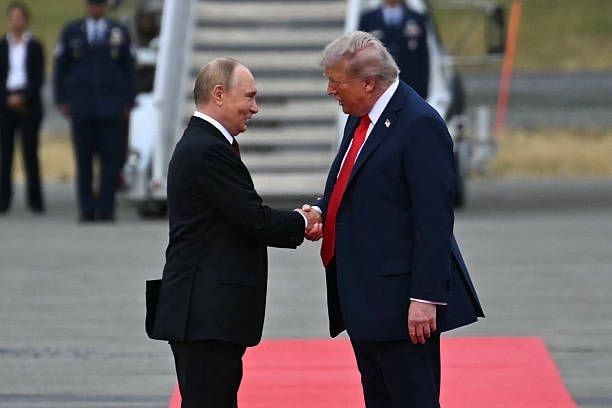
Preparations are underway for a meeting between U.S. President Donald Trump and Putin, with Russian Deputy Foreign Minister Sergei Ryabkov saying it could happen by the end of February.
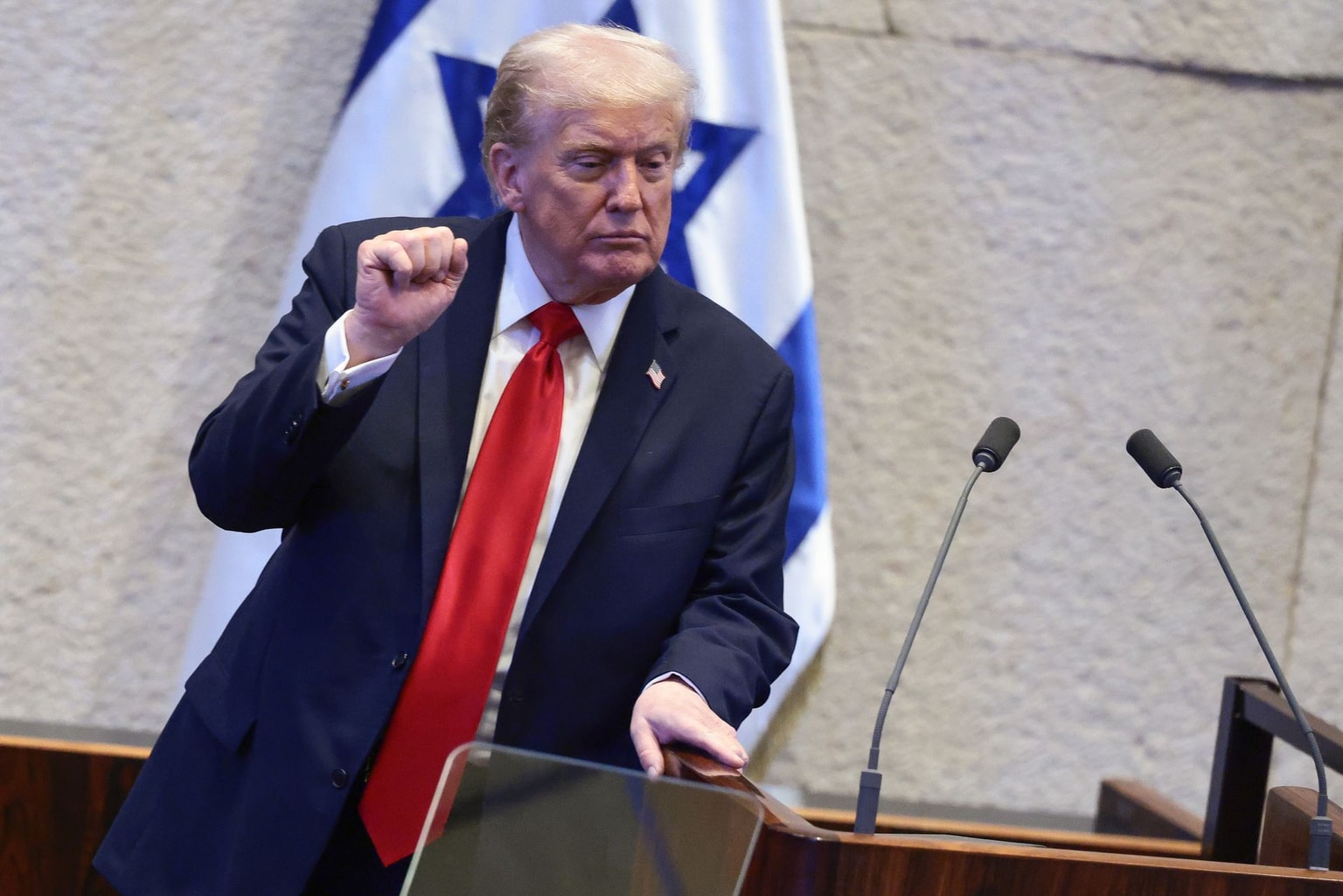
Trump said on Feb. 24 that Russia's war against Ukraine could end "within weeks" and claimed Putin would accept European peacekeepers in Ukraine as part of a potential deal.
The U.K. is reportedly preparing a plan to deploy 30,000 European troops as a post-ceasefire security guarantee.
Western intelligence officials have expressed skepticism about Moscow's willingness to negotiate in good faith. NBC News reported on Feb. 18 that Putin is not serious about a peace deal and is instead using talks to consolidate Russian territorial gains.