Lockheed Martin unable to guarantee Patriot missile delivery timelines for US allies, top executive says
 on Google
Lockheed Martin cannot guarantee delivery timelines for Patriot interceptor missiles to U.S. allies, despite plans to sharply increase production, the Financial Times reported on June 11, citing the company's top executive.
The statement comes as Ukraine continues to face a pressing shortage of anti-ballistic defenses amid large-scale Russian attacks that increasingly rely on ballistic missiles. U.S.-produced PAC-3 Patriot interceptor missiles remain the most effective systems for countering these threats.
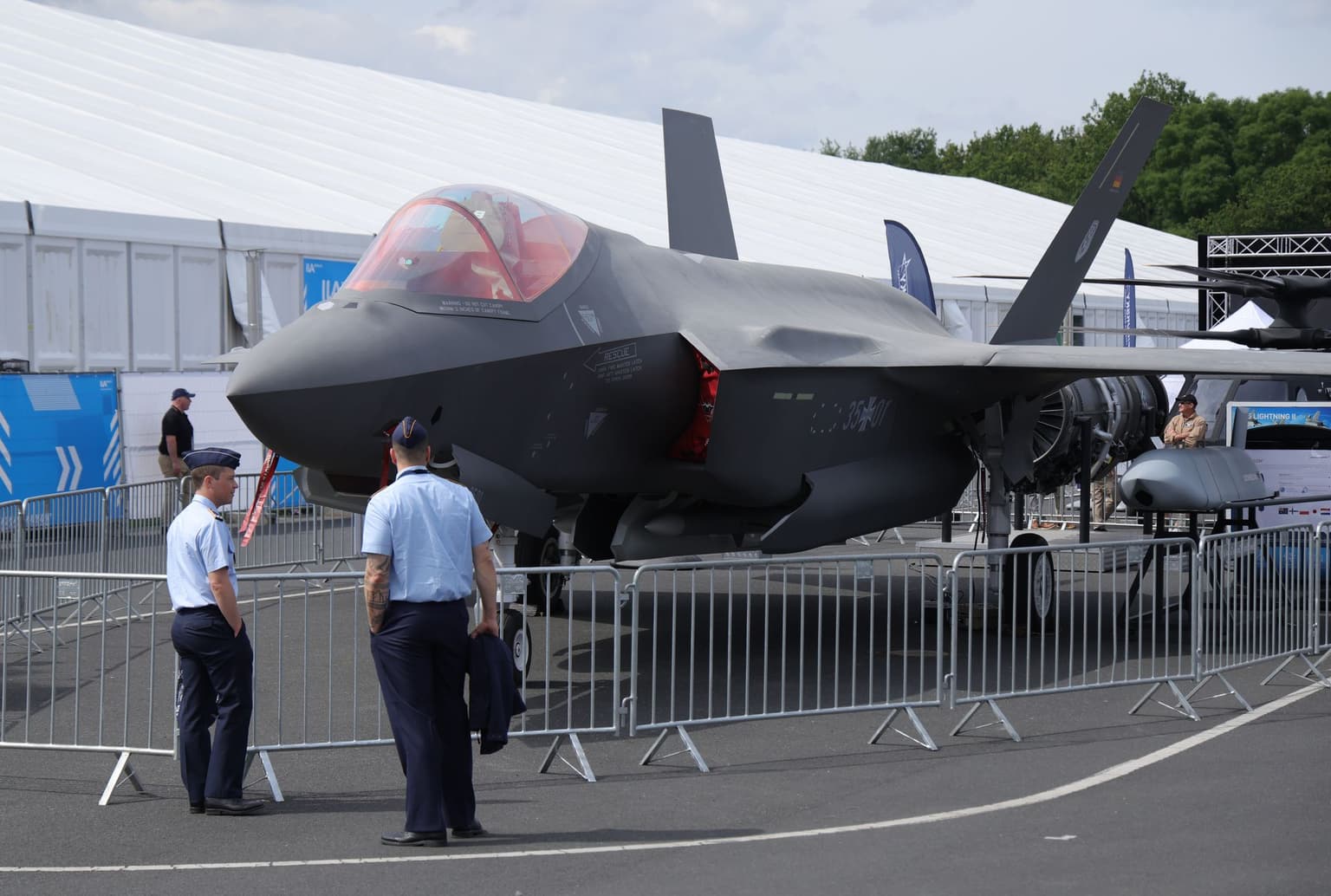
Brian Dunn, Lockheed Martin's vice-president for strategy and business development for missiles and fire control, told journalists at the ILA Berlin Air Show that while the company is working to increase production of PAC-3 interceptor missiles, decisions on weapons allocation are made by the U.S. Department of Defense.
"We do not control what the allocation of those missiles is going to be. We can't tell anybody where you're going to be on that (priority list)," Brian Dunn, Lockheed Martin's vice-president for strategy and business development for missiles and fire control, said.
"Obviously there's a lot of rhetoric coming right now from the Department of War . . . about how they're going to reorder, reorganise, who's going to get missiles first. We don't control any of that."
At the same time, the company expects to raise annual production of PAC-3 interceptors from around 650 to 2,000 by 2033 under a $4.7 billion Pentagon contract, according to the report.
Established in 1995, Lockheed Martin is one of the leading American defense and aerospace companies. The company works closely with the U.S. Department of Defense and federal government agencies.
The report comes as demand for Patriot interceptors has surged amid the ongoing U.S. war in Iran.
For Ukraine, Patriot systems have been crucial in protecting Kyiv and other cities in Ukraine from Russia's most dangerous aerial attacks, but their effectiveness depends on a supply of interceptor missiles.
Ukrainian stockpiles of Patriot missiles, particularly PAC-3 MSEs, have dwindled precariously, while swarms of up to hundreds of Shahed-type drones and their Russian-made copies can hit Ukraine in a single night.
Ukrainian President Volodymyr Zelensky said on April 14 that Ukraine's supply of U.S.-produced Patriot air defense missiles was facing a critical shortage.
Ukraine has repeatedly raised concerns that the U.S. is using Patriot missiles to shoot down Shahed-type drones, which Ukrainian forces primarily intercept using cheaper weapons, including interceptor drones.
Ukrainian developers have created a range of lower-cost alternatives for countering drones, in particular anti-drone interceptors. Yet when it comes to Russian ballistic missiles such as the Iskander-M and Kinzhal, Ukraine remains dependent on foreign assistance, particularly PAC-3 interceptor missiles.