Ukraine war latest: Russia's oil output falls to one-year low amid Ukrainian strikes
 on Google
Key developments on June 11:
- Ukraine aims to isolate Crimea from Russia, drone commander 'Madyar' says
- Ukraine's drone advantage over Russia grows as nearly 180,000 military targets struck in May, Syrskyi says
- Ukraine reportedly strikes military targets, hit several bridges in large-scale attack across Russian-occupied Crimea
- Lockheed Martin unable to guarantee Patriot missile delivery timelines for US allies, top executive says
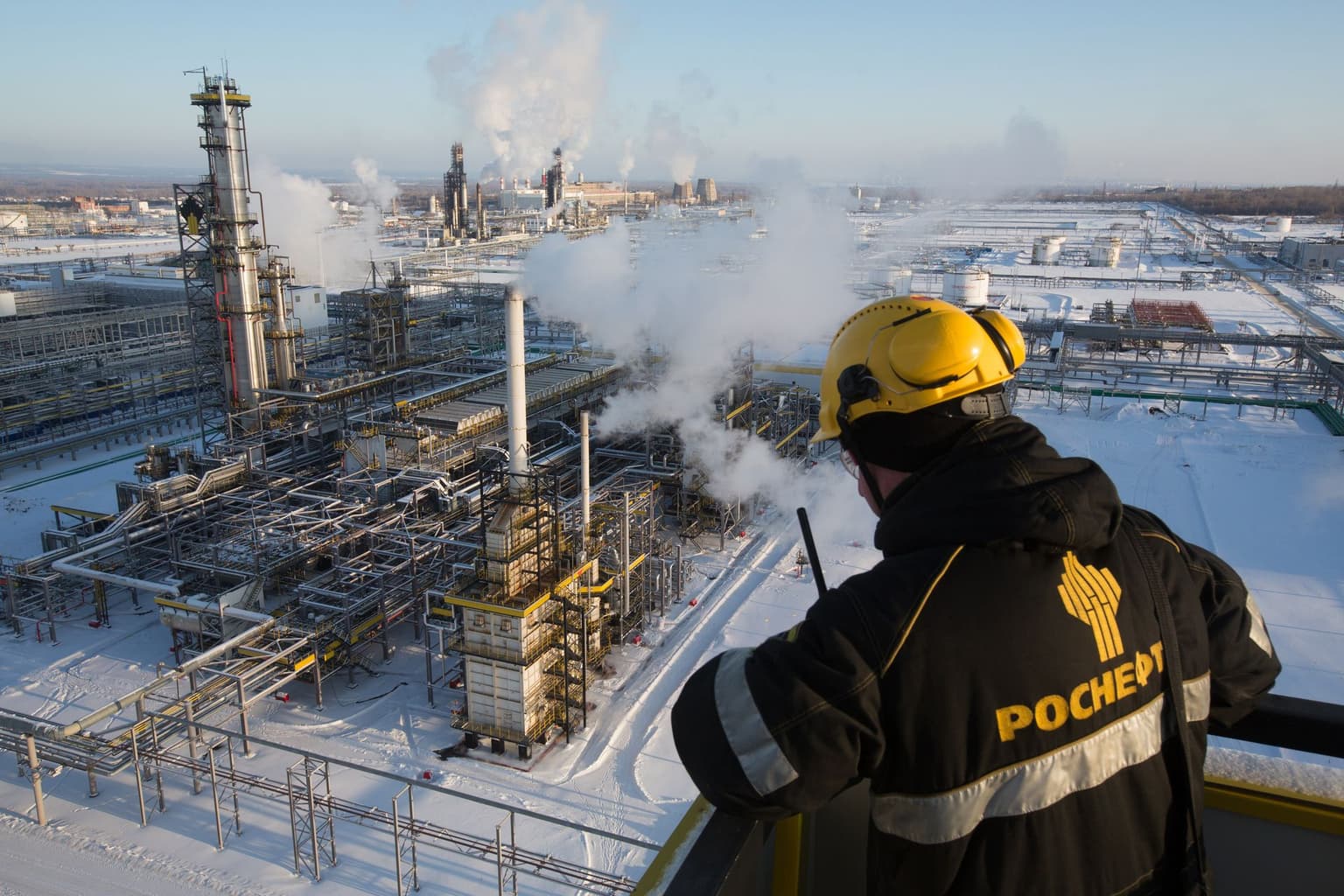
Russia's crude oil production fell to its lowest level in a year in May as Ukraine intensified strikes on the country's oil infrastructure, according to data published by the Organization of the Petroleum Exporting Countries (OPEC) on June 11.
Russian producers pumped an average of 9.009 million barrels of crude per day in May, down from April levels, according to OPEC data based on secondary sources.
The figure was 690,000 barrels per day below Russia's production target under the OPEC+ agreement, according to Bloomberg's analysis of the report.
The decline came during a month in which Ukraine significantly increased attacks on Russian energy infrastructure. Ukrainian forces carried out at least 31 strikes against Russian refineries, oil export terminals, and pipeline infrastructure in May, the highest monthly total since the start of Russia's full-scale invasion, according to Bloomberg.
Kyiv has repeatedly said its attacks on Russian oil facilities are aimed at reducing Moscow's ability to finance the war against Ukraine.
The latest figures suggest the campaign may be adding pressure to Russia's energy sector, one of the country's most important sources of export revenue.
Bloomberg added that Russian crude-processing rates have fallen to their lowest level in two decades so far in June, citing estimates by EA Analytics, part of Energy Aspects Ltd.
Ukraine has instensified its deep-strike campaign targeting Russia's oil industry throughout 2026. One of the latest attacks came on June 11, when a fire broke out at the Afipsky Oil Refinery in Russia's Krasnodar Krai following a reported Ukrainian drone strike. The facility is one of the largest refineries in southern Russia, processing roughly 6.25 million tons of crude annually.
Ukraine aims to isolate Crimea from Russia, drone commander 'Madyar' says
Ukraine aims to isolate occupied Crimea from Russia by disrupting key military supply routes to the peninsula, Commander of the Unmanned Systems Forces Robert Brovdi, known by the call sign "Madyar," said in an interview published by Reuters on June 11.
"We will isolate Crimea in the near future," Brovdi told Reuters from a command post near the front line.
Brovdi said Russian military cargo traffic along the R-280 "Novorossiya" highway, which connects Russia with occupied Crimea through Mariupol, Berdiansk, and Melitopol, has fallen by 71% over the past two weeks due to Ukrainian strikes.
"Within another month, we will have total control over the road," he told Reuters.
Brovdi said Ukraine's broader objective is to make it increasingly difficult for Russian troops and defense industry personnel to operate in Crimea and other occupied territories.
"We will create conditions that will make it extremely difficult for any military personnel or those working in the defense industry to remain in Crimea, in the temporarily occupied territories, or use the access routes to them," he told Reuters.
The comments come as Ukraine has intensified its campaign against Russian logistics routes and military infrastructure connecting occupied Crimea to Russian-controlled territory.
Overnight on June 11, Ukrainian strikes targeted military facilities across occupied Crimea and damaged multiple bridges on the overland approaches to the peninsula, according to Russian-installed officials and monitoring channels.
The attacks are the latest in a series of Ukrainian efforts to disrupt transport links used by Russian forces to move personnel and supplies into Crimea. Among the most significant targets has been the Chonhar Bridge, a key crossing linking occupied Crimea with occupied parts of Kherson Oblast.
Ukrainian forces struck the bridge on June 7 and again on June 9. Andrii Kovalenko, head of Ukraine's Center for Countering Disinformation, said the latest attack destroyed the crossing.
Ukraine's drone advantage over Russia grows as nearly 180,000 military targets struck in May, Syrskyi says
Ukrainian drone units struck nearly 180,000 Russian military targets in May, marking a 12.7% increase compared with April, Commander-in-Chief Oleksandr Syrskyi said on Facebook on June 11.
The news comes as Ukrainian forces have intensified their strike campaign against Russian logistics, disrupting fuel deliveries and complicating other supplies critical to the Russian army.
Syrskyi described the results as evidence that Ukraine is maintaining momentum in the technological race with Russia.
The commander-in-chief added that Ukrainian forces now hold a 1,5-to-1 advantage in FPV (first-person-view) drone operations over Russian troops, and that gap has continued to widen in recent months.
Ukrainian forces also intercepted around 4,000 Russian Shahed-type drones in May, a 27% increase from the previous month, and struck nearly 10,000 positions used by Russian drone operators, Syrskyi said.
The commander-in-chief added that since the beginning of 2026, Ukrainian drone operators have eliminated 12,500 more Russian troops than Russia has recruited into its armed forces over the same period.
Syrskyi also highlighted the growing role of ground robotic systems on the battlefield, saying they are increasingly being used to deliver ammunition and supplies, evacuate wounded soldiers, and perform other tasks in high-risk areas.
Ground robotic systems completed 12,500 missions in May, the statement read.
Ukraine has also expanded its use of middle strike systems, which target Russian forces and infrastructure up to 200 kilometers behind the front line. In May, Ukrainian forces carried out nearly 2,000 strikes using these systems, including attacks on 414 Russian headquarters, command posts, troop concentration areas, and other military targets, Syrskyi said.
Ukraine reportedly strikes military targets, hit several bridges in large-scale attack across Russian-occupied Crimea
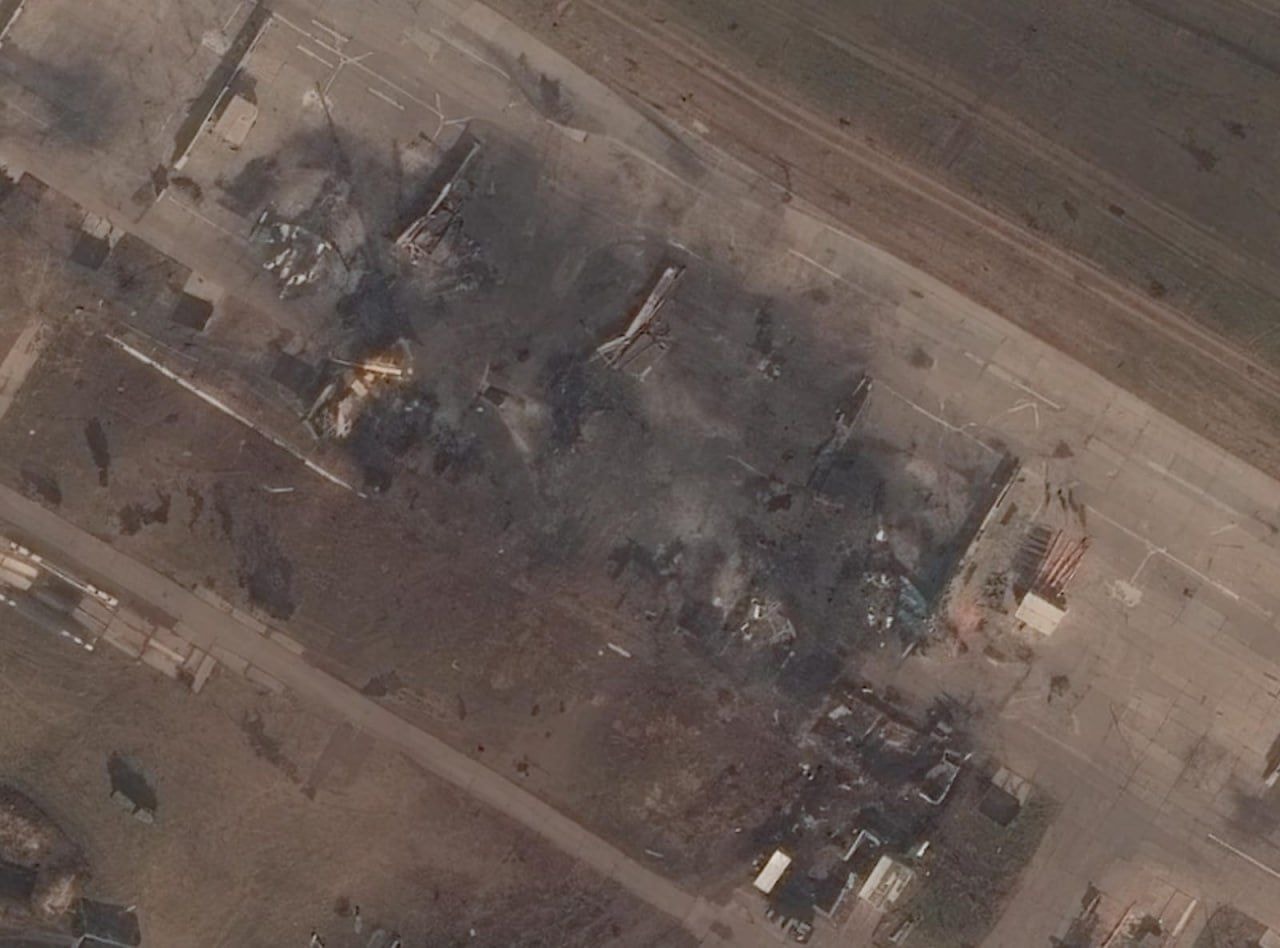
Ukraine struck military targets in Russian-occupied Crimea, hitting several bridges as multiple explosions were reported across the peninsula overnight on June 11, according to local authorities and monitoring channels.
Mikhail Razvozhayev, Sevastopol's Russian-installed proxy head, said that Russian air defenses intercepted 33 Ukrainian drones, allegedly repelling "two large-scale Ukrainian attacks."
One woman was injured as a result of the strike, and residential buildings and vehicles were damaged, Razvozhayev said. Yet the Russian-installed official did not report any damage to critical infrastructure.
Residents previously reported missile launches from Cape Fiolent and multiple explosions across Sevastopol, the pro-Ukrainian Telegram channel Crimean Wind said.
According to the channel, two impacts were reported near Komyshova and Kozacha bays, followed by an additional four to five strikes. Another reported impact struck a military facility in Striletska Bay. Witnesses also reported smoke rising over Omega Bay and a large fire in the Striletska Bay area.
The Crimean Wind Telegram channeg reported thar air defense systems are deployed on the grounds of a local cadet school and naval academy near the bay. The eastern shore of the bay also hosts facilities for Russia's Black Sea Fleet. The channel suggested these military facilities may have been among the intended targets.
Several bridges along the North Crimean Canal, which connects Crimea with other occupied territories on mainland Ukraine, were also hit in the attack.
Volodymyr Saldo, the Russian-installed head of occupied Kherson Oblast, said the strikes hit bridges near the settlements of Preobrazhenka and Myrne, a road bridge on the Perekop–Armiansk route, and a bridge near the village of Stavky.
"According to preliminary information, there is some damage. Specialists are conducting an inspection and assessing the condition of the structures," Saldo said, adding that 45 drones were shot down over the occupied part of the region overnight.
The pro-Ukrainian Telegram channel Crimean Wind also reported that a bridge in Armiansk, a town in northern Crimea near mainland Ukraine, was hit following reports of Ukrainian drones in the area and a series of explosions.
Lockheed Martin unable to guarantee Patriot missile delivery timelines for US allies, top executive says
Lockheed Martin cannot guarantee delivery timelines for Patriot interceptor missiles to U.S. allies, despite plans to sharply increase production, the Financial Times reported on June 11, citing the company's top executive.
The statement comes as Ukraine continues to face a pressing shortage of anti-ballistic defenses amid large-scale Russian attacks that increasingly rely on ballistic missiles. U.S.-produced PAC-3 Patriot interceptor missiles remain the most effective systems for countering these threats.
Brian Dunn, Lockheed Martin's vice-president for strategy and business development for missiles and fire control, told journalists at the ILA Berlin Air Show that while the company is working to increase production of PAC-3 interceptor missiles, decisions on weapons allocation are made by the U.S. Department of Defense.
"We do not control what the allocation of those missiles is going to be. We can't tell anybody where you're going to be on that (priority list)," Brian Dunn, Lockheed Martin's vice-president for strategy and business development for missiles and fire control, said.
"Obviously there's a lot of rhetoric coming right now from the Department of War . . . about how they're going to reorder, reorganise, who's going to get missiles first. We don't control any of that."
At the same time, the company expects to raise annual production of PAC-3 interceptors from around 650 to 2,000 by 2033 under a $4.7 billion Pentagon contract, according to the report.
Established in 1995, Lockheed Martin is one of the leading American defense and aerospace companies. The company works closely with the U.S. Department of Defense and federal government agencies.
The report comes as demand for Patriot interceptors has surged amid the ongoing U.S. war in Iran.
For Ukraine, Patriot systems have been crucial in protecting Kyiv and other cities in Ukraine from Russia's most dangerous aerial attacks, but their effectiveness depends on a supply of interceptor missiles.